Methodology
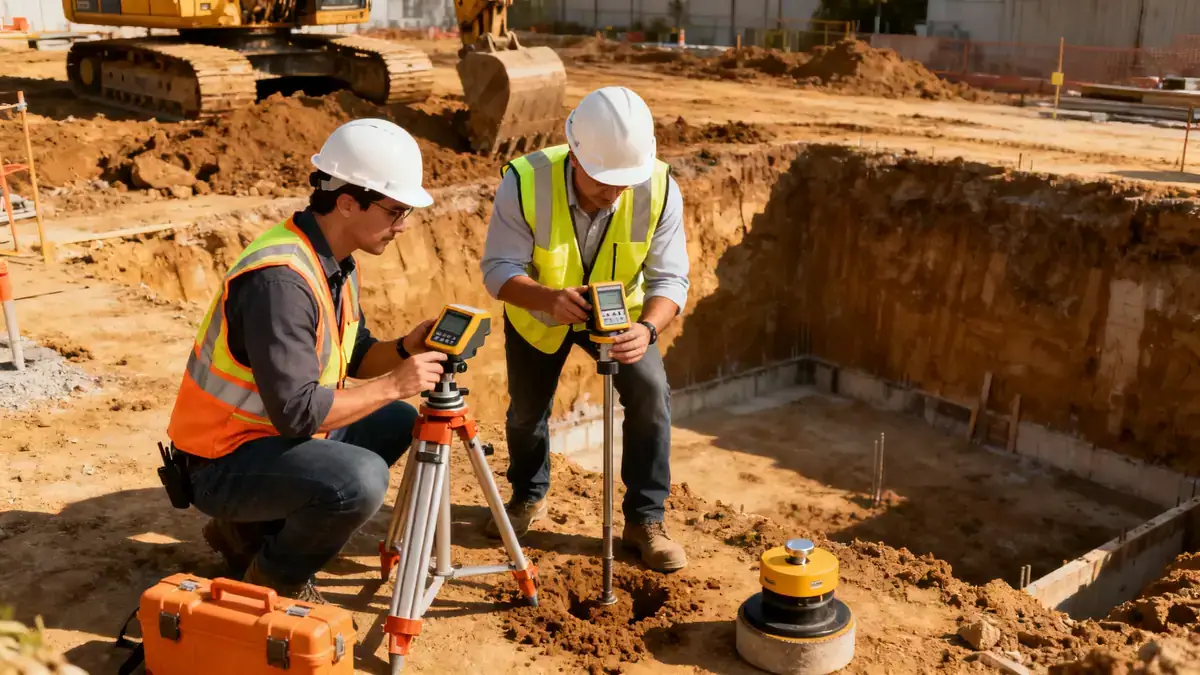
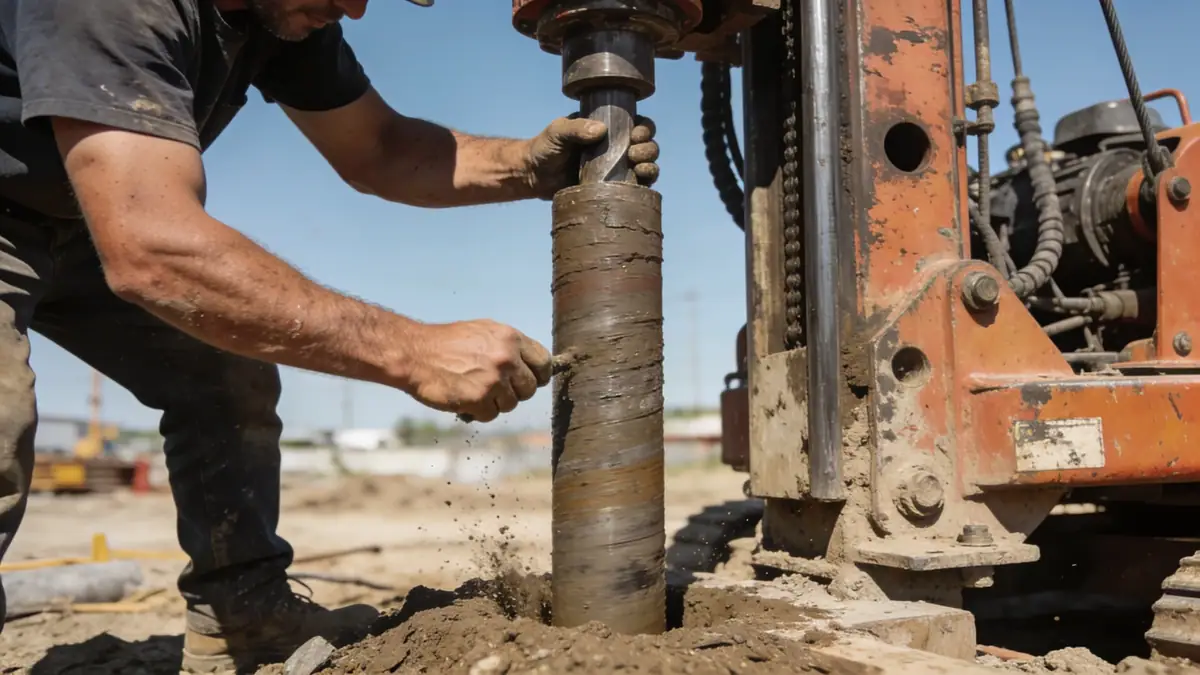
Our methodology for geotechnical engineering in Austin follows a phased approach: first, a comprehensive review of existing geologic and geotechnical data for the site vicinity; second, a field investigation program that typically includes spt boring and sampling to characterize subsurface conditions. Standard penetration tests are conducted in accordance with ASTM D1586, with sample recovery at 1.5 m intervals to depths of 15–30 m, depending on project demands. Laboratory testing—such as Atterberg limits, grain size analysis, and unconfined compression tests—provides essential parameters for foundation design. We then develop a geotechnical model that considers groundwater levels, bedrock depth, and soil variability, leading to recommendations that are both technically sound and cost-effective.
Reference Technical Parameters
| Parameter | Reference Value |
|---|---|
| Predominant soil type | Expansive clay (Houston Black) and clayey sand over limestone bedrock |
| Maximum seismic acceleration (PGA) | 0.10–0.15 g (ASCE 7-16, Site Class C/D) |
| Typical groundwater level | 5–15 m depth, variable with seasonal recharge and local drainage |
| Bedrock depth | 2–10 m (Austin Chalk, Glen Rose Limestone) |
| Typical N60 range | 4–20 blows/ft in clay; 30–50+ blows/ft in weathered limestone |
Local Considerations — Austin
Austin’s geology is dominated by Cretaceous-age sedimentary formations, with expansive clays (Taylor Group) overlying limestone bedrock (Austin Chalk, Glen Rose). Shrink-swell potential is a primary concern, often requiring pre-construction moisture conditioning or deep foundation alternatives. The Balcones Fault Zone introduces localized faulting and variable bedrock depth, necessitating careful site-specific evaluation. Seismic hazard is low to moderate, with PGA values of 0.10–0.15 g per ASCE 7. Groundwater is typically encountered at depths of 5–15 m, but perched conditions can occur in clay layers. Our team routinely addresses these factors in projects ranging from downtown high-rises to suburban developments. For broader regional context, we collaborate with our team in Houston to leverage cross-market expertise. Additionally, we incorporate advanced slope stability analyses for sites with significant topographic relief.
Request a Quote
Our team reviews your project and issues an initial report at no cost.
Or write us directly at [email protected]
Services in Austin
Applicable Standards
- ASTM D1586 (Standard Penetration Test)
- ASCE 7-16 (Minimum Design Loads and Associated Criteria for Buildings and Other Structures)
- International Building Code (IBC) with Austin amendments
- ASTM D2487 (Unified Soil Classification System)
- ASTM D4318 (Atterberg Limits)
Frequently Asked Questions
What are the typical soil conditions encountered in Austin?
Austin’s subsurface profile generally consists of expansive clay soils (often Houston Black or Taylor clay) underlain by limestone bedrock (Austin Chalk or Glen Rose). The clay layers can exhibit significant shrink-swell behavior, while bedrock depth varies from 2 to 10 m depending on location within the Balcones Fault Zone.
Is seismic design required for projects in Austin?
Yes, the IBC and ASCE 7 require seismic design for most structures in Austin. The mapped spectral acceleration (S1) for the region is low to moderate, with PGA values of 0.10–0.15 g for Site Class C/D. Our team incorporates these values into foundation and lateral load design per current code.
Are geotechnical studies mandatory for all construction in Austin?
While not universally mandatory for every small residential project, the City of Austin and most lending institutions require a geotechnical investigation for commercial buildings, multi-story structures, and subdivisions. Our firm provides the necessary subsurface characterization and recommendations to meet these requirements.