Methodology

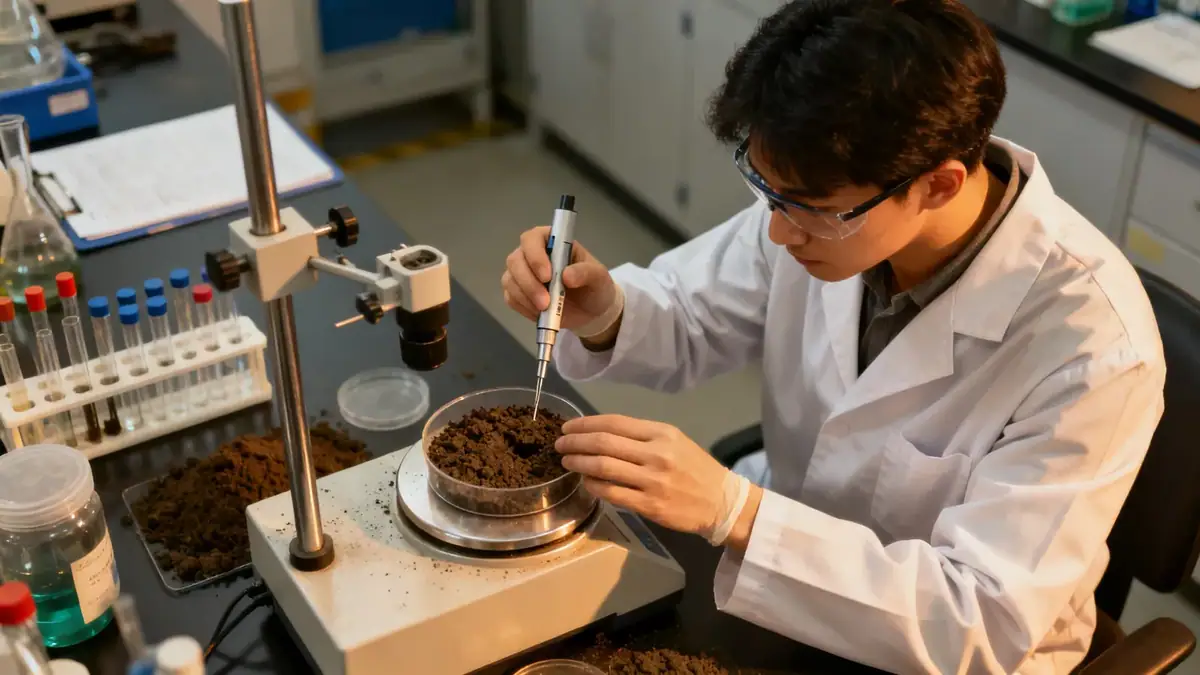
Our approach in League City begins with a thorough review of existing geologic maps and historical borings to refine the investigation plan. We then conduct spt boring at intervals according to ASTM D1586, typically every 1.5 meters, to obtain N-values and undisturbed samples. Standard penetration testing is supplemented by thin-walled tube sampling for cohesive soils. All field data are correlated with laboratory results, including index properties and strength parameters, to develop a consistent subsurface profile. This methodology ensures that design recommendations are based on site-specific conditions, reducing uncertainty and risk.
Reference Technical Parameters
| Parameter | Reference Value |
|---|---|
| Predominant soil type | Clay (CH) and silty sand (SM) |
| Maximum seismic acceleration (PGA) | 0.10–0.15 g (ASCE 7-16) |
| Typical groundwater depth | 3–6 m below grade |
| Bedrock depth | >30 m (deep alluvium) |
| Typical N60 range (clay) | 5–15 blows/ft |
Local Considerations — League City
League City's geology is dominated by the Beaumont Formation, characterized by high-plasticity clays that are susceptible to shrink-swell behavior. Seasonal moisture changes can cause significant ground movement, necessitating deep foundations or controlled fill. The water table is shallow in low-lying areas, requiring dewatering for excavations. Seismic hazard is moderate, with peak ground accelerations of 0.10–0.15 g per ASCE 7-16. Our team has addressed these challenges in numerous projects, from residential slabs to retaining walls. For broader regional context, our geotechnical engineering en Houston page details similar conditions across the metro area.
Request a Quote
Our team reviews your project and issues an initial report at no cost.
Or write us directly at [email protected]
Services in League City
Applicable Standards
- ASTM D1586 Standard Test Method for Standard Penetration Test (SPT)
- ASCE 7-16 Minimum Design Loads and Associated Criteria for Buildings
- International Building Code (IBC) 2018
- City of League City Building Code
Frequently Asked Questions
What are the typical soil conditions in League City?
Soils in League City are primarily high-plasticity clays of the Beaumont Formation, with interbedded silty sands. These clays have moderate to high expansion potential, requiring careful foundation design. Groundwater is typically shallow, between 3 and 6 meters deep.
Is a geotechnical study mandatory for construction in League City?
Yes, the City of League City requires a geotechnical investigation for most new structures, especially those with shallow foundations or retaining walls. The study must comply with IBC 2018 and ASCE 7-16 to address soil bearing capacity and seismic stability.
How does seismic activity affect foundations in League City?
League City is in Seismic Design Category B per ASCE 7-16, with peak ground accelerations of 0.10–0.15 g. While not high, the soft soil profile can amplify ground motions. Our investigations include site-specific shear wave velocity measurements to determine site class and ensure compliant design.