Methodology
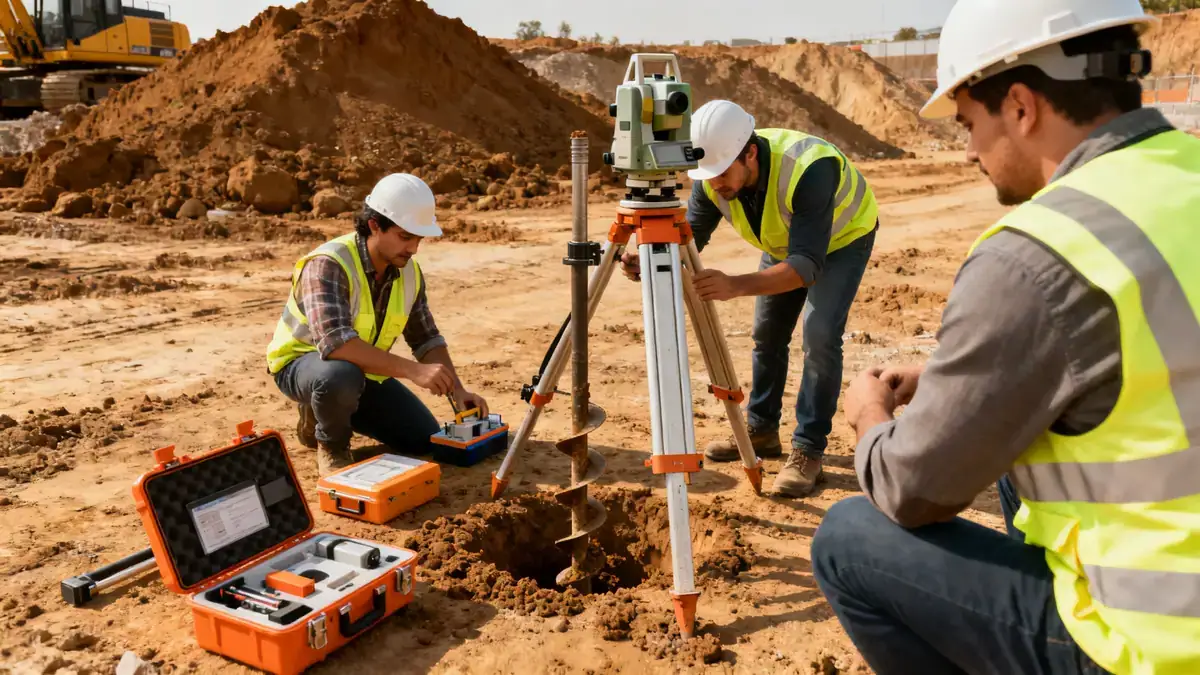
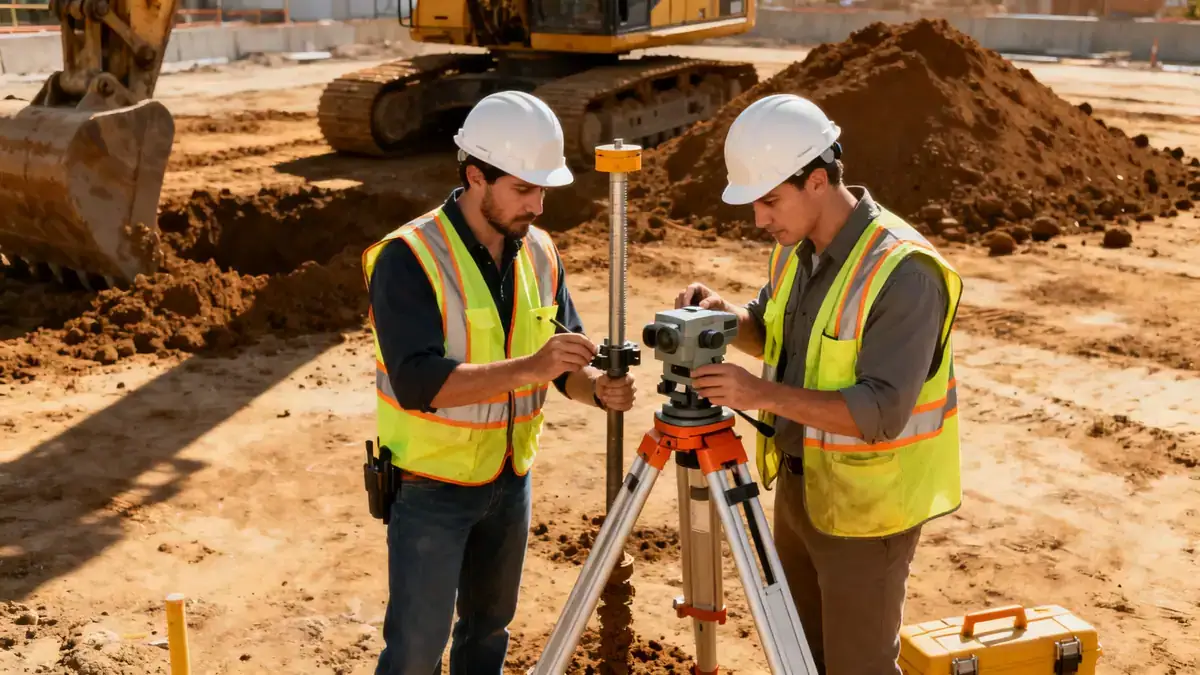
Our methodology for geotechnical engineering in New Orleans integrates field exploration, laboratory testing, and advanced analysis. We perform spt boring to retrieve disturbed and undisturbed samples, following ASTM D1586 procedures. In the lab, our team classifies soils, determines index properties, and conducts strength tests under controlled conditions. We evaluate consolidation behavior for soft clays and assess liquefaction potential due to seismic activity. This systematic approach ensures accurate soil profiles and foundation parameters for design.
Reference Technical Parameters
| Parameter | Reference Value |
|---|---|
| Predominant soil type | Soft clay and silt (Holocene alluvium) |
| Maximum seismic acceleration (PGA) | 0.2 g (ASCE 7-16) |
| Typical groundwater level | 1–3 ft below ground surface |
| Bedrock depth | >500 ft (deep sedimentary basin) |
| Typical N60 range | 2–15 blows/ft for shallow clays |
Local Considerations — New Orleans
New Orleans' geology is dominated by soft, high-plasticity clays and silts from the Mississippi River delta, with groundwater often at shallow depths. Seismic design follows ASCE 7 with a PGA of 0.2g, requiring liquefaction assessment for loose sands. Our firm has deep experience in this unique setting, similar to our geotechnical engineering en Houston practice, where deltaic soils and flood risks are common. We also perform slope stability analyses for levees and canal banks, critical for local infrastructure.
Request a Quote
Our team reviews your project and issues an initial report at no cost.
Or write us directly at [email protected]
Services in New Orleans
Applicable Standards
- ASTM D1586 (Standard Penetration Test)
- ASCE 7-16 (Minimum Design Loads for Buildings)
- International Building Code (IBC) 2021
- Louisiana State Uniform Construction Code
Frequently Asked Questions
What soil types are common in New Orleans?
The area is underlain by soft clay, silt, and organic soils from the Mississippi River delta, often with high plasticity and low bearing capacity. Sand layers may be present but are typically loose.
Is seismic design required in New Orleans?
Yes, the region has a moderate seismic hazard per ASCE 7, with a PGA of 0.2g. Geotechnical reports must include liquefaction potential and site class for proper foundation design.
Are geotechnical studies mandatory for construction in New Orleans?
Local codes require geotechnical investigations for most structures, especially those with deep foundations or in flood-prone zones. Our firm provides the necessary reports to meet permitting requirements.