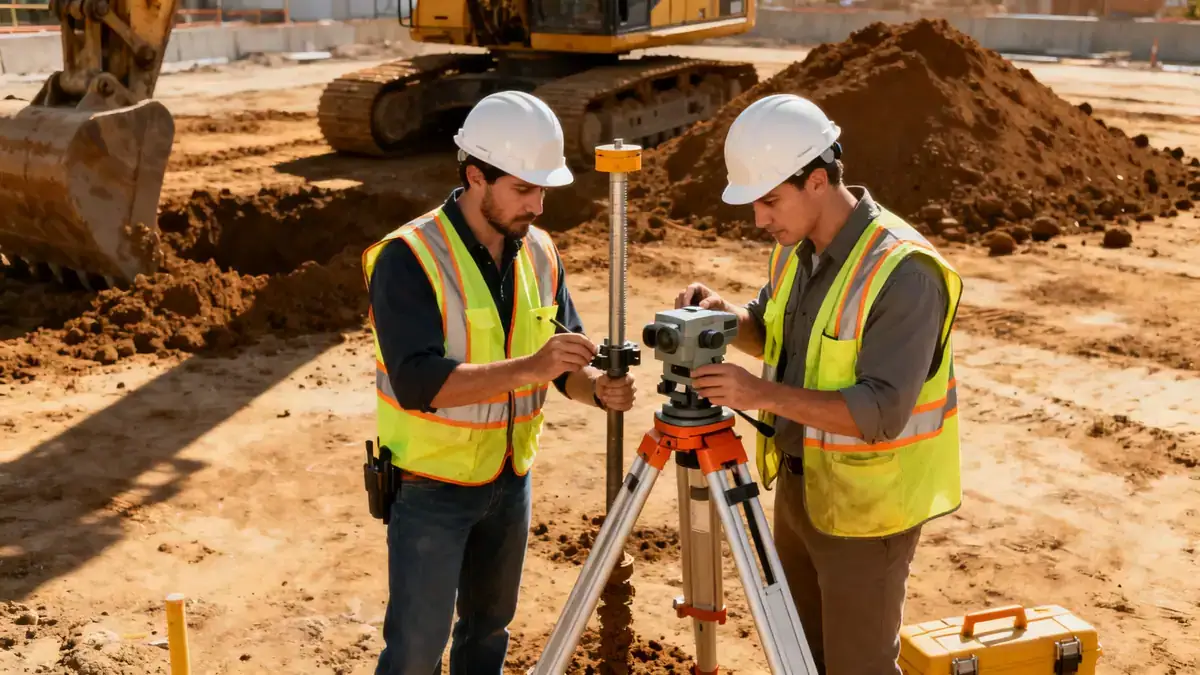
Methodology
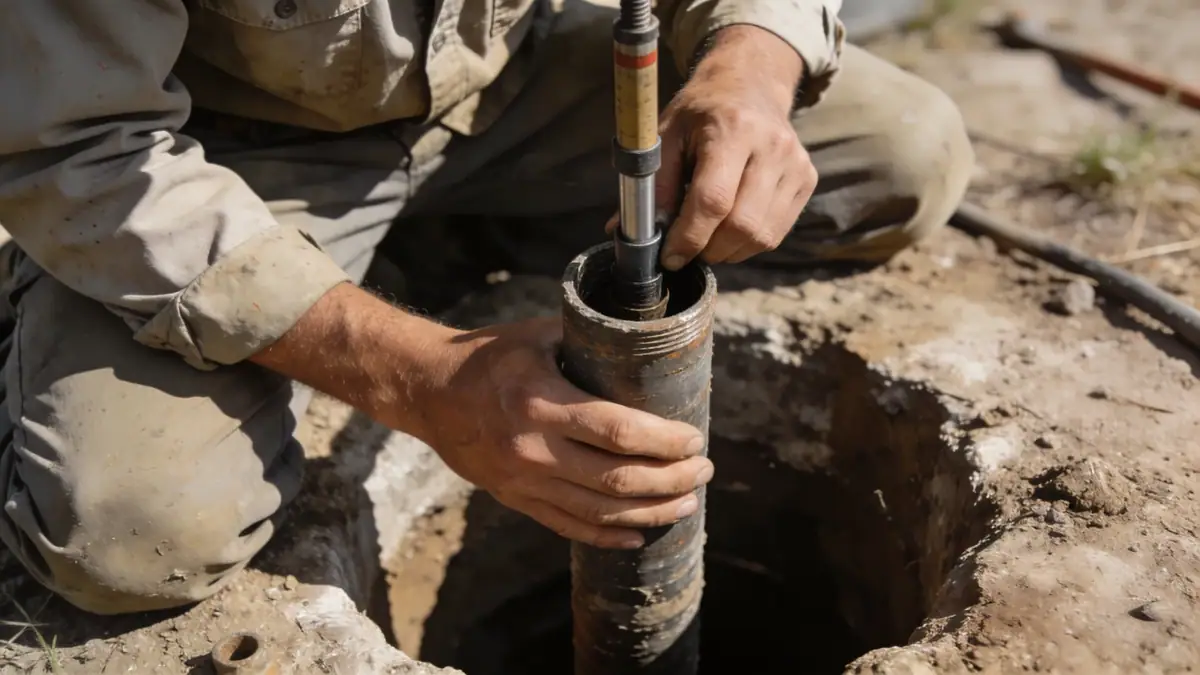
Our approach to geotechnical engineering in Arlington integrates field investigations, laboratory testing, and advanced analysis. We begin with a review of existing geologic maps and records, then conduct targeted exploration programs using methods such as spt boring to characterize soil strata. In our soil mechanics laboratory, we classify soils, measure strength parameters, and assess consolidation behavior. Analyses follow standards like ASTM D1586 for SPT and ASCE 7 for seismic loading. This systematic methodology ensures reliable recommendations for foundations, earthworks, and slope stability, tailored to Arlington's specific subsurface conditions.
Reference Technical Parameters
| Parameter | Reference Value |
|---|---|
| Predominant soil type | Silty sands and clays (Potomac Group) |
| Maximum seismic acceleration (PGA) | 0.2–0.3g (ASCE 7) |
| Typical groundwater level | 3–8 m below grade |
| Bedrock depth | 15–30 m (crystalline bedrock) |
| Typical N60 range | 5–25 blows/0.3 m |
Local Considerations — Arlington
Arlington's subsurface is dominated by the Potomac Group deposits: interbedded sands, silts, and clays overlying crystalline bedrock at depths of 15–30 m. Groundwater levels typically range 3–8 m below grade, requiring dewatering considerations for deep excavations. Seismic hazard is moderate (PGA 0.2–0.3g per ASCE 7), with site class D common. Neighborhood variability exists: older areas near the Potomac may have softer alluvial soils, while western Arlington features more glacial till. Typical projects include high-rise foundations on spread footings or piles, and slope stabilization along the Palisades. Our team provides slope stability analyses and retaining wall design tailored to these conditions. For broader context, we also offer geotechnical engineering en Houston.
Request a Quote
Our team reviews your project and issues an initial report at no cost.
Or write us directly at [email protected]
Services in Arlington
Applicable Standards
- ASTM D1586 (Standard Penetration Test)
- ASCE 7 (Minimum Design Loads for Buildings and Other Structures)
- IBC (International Building Code)
- Virginia Uniform Statewide Building Code (USBC)
Frequently Asked Questions
What soil types are typical in Arlington?
Arlington's soils are predominantly silty sands and clays of the Potomac Group, with occasional gravel layers. These soils are generally suitable for shallow foundations but may require ground improvement or deep foundations in areas with soft clays or high groundwater.
What seismic design requirements apply in Arlington?
Arlington falls under moderate seismic hazard, with a maximum considered earthquake (MCE) spectral acceleration of about 0.2–0.3g. Per ASCE 7, site class D is common, and structures must comply with IBC seismic provisions, including proper detailing and foundation tie-downs.
Are geotechnical studies mandatory for construction in Arlington?
Yes, the Virginia Uniform Statewide Building Code requires a geotechnical investigation for most new structures, especially those with deep foundations, slopes, or seismic loads. The study must characterize soil conditions, groundwater, and provide design parameters for foundations and earthworks.