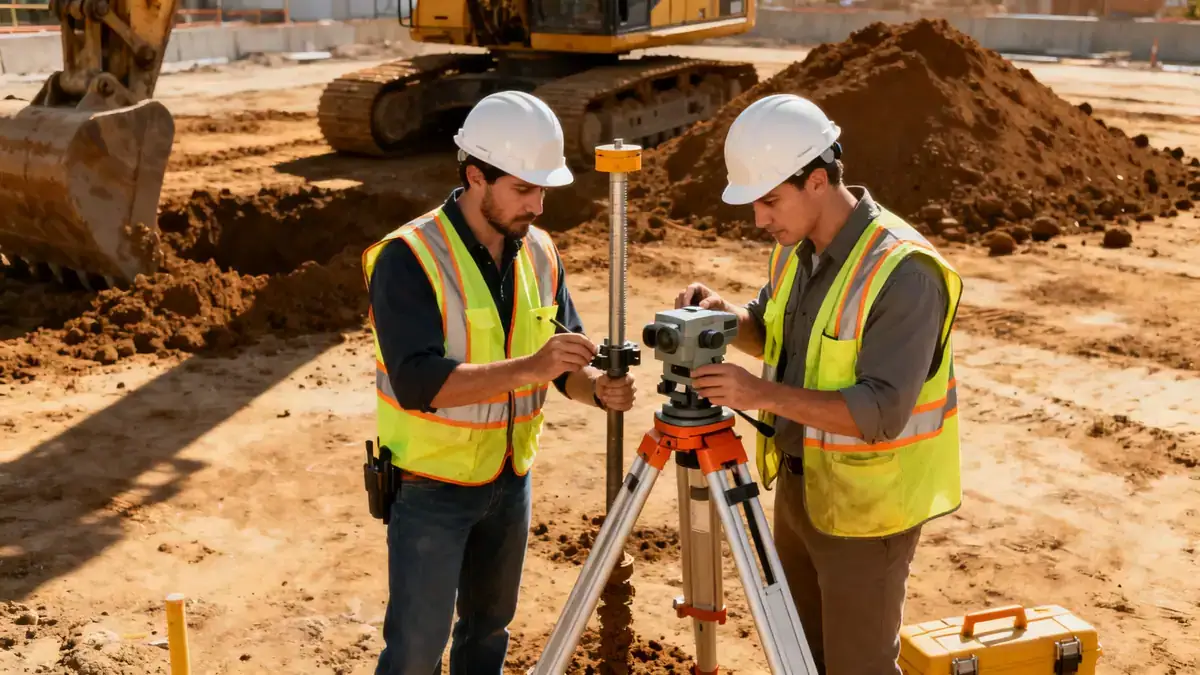
Methodology
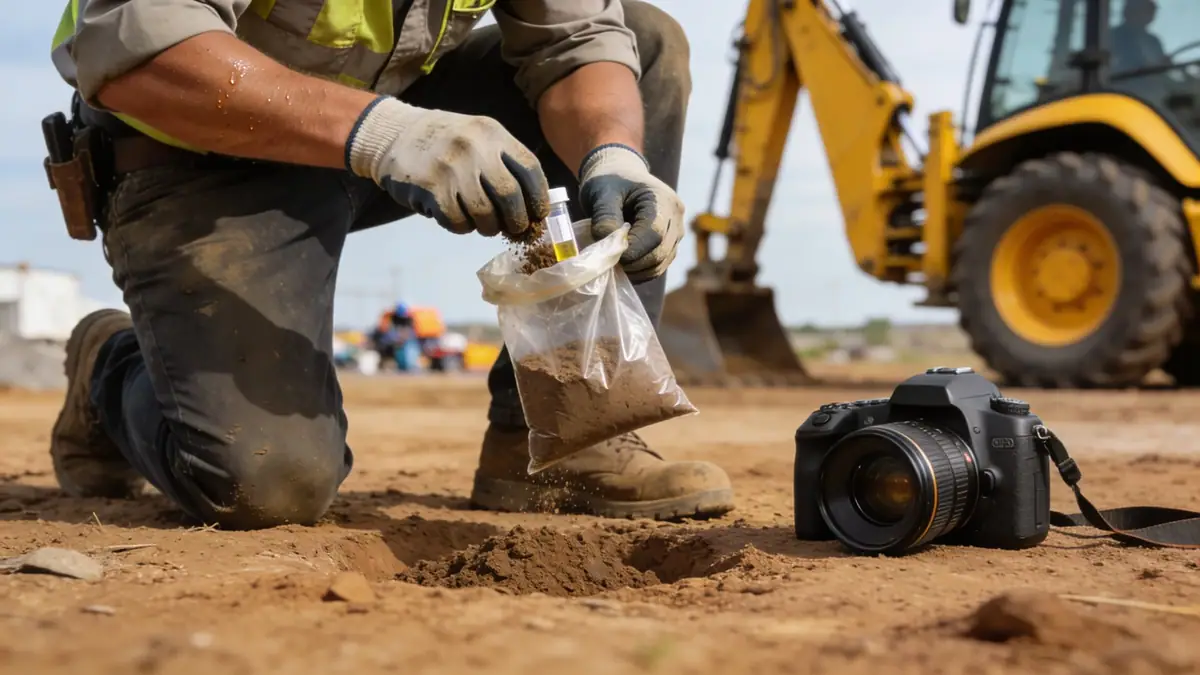
Our methodology for geotechnical engineering in Brownsville Texas begins with a review of existing geological maps and historical data specific to the Lower Rio Grande Valley. We then perform field investigations including spt boring to obtain soil samples at regular intervals, typically every 1.5 meters per ASTM D1586. In the laboratory, we conduct index tests, strength tests, and consolidation tests to characterize soil behavior. This data is analyzed in the context of local building codes and seismic criteria, allowing us to develop recommendations that are both technically sound and practical for Brownsville's conditions. Our approach ensures that each project benefits from a robust understanding of subsurface conditions.
Reference Technical Parameters
| Parameter | Reference Value |
|---|---|
| Predominant soil type | Clay and silty clay (CH, CL) with sand lenses |
| Maximum seismic acceleration (PGA) | 0.10g to 0.15g (ASCE 7-16) |
| Typical groundwater level | 1.5 to 4.5 meters below ground surface |
| Bedrock depth | >30 meters (deep alluvium) |
| Typical N60 range (SPT) | 4 to 25 blows per 0.3m |
Local Considerations — Brownsville Texas
Brownsville's geology is dominated by Quaternary alluvial deposits from the Rio Grande, consisting of interbedded clays, silts, and sands. Expansive clay behavior is common, requiring careful evaluation for slab-on-grade foundations. The shallow groundwater table, typically 1.5 to 4.5 m deep, may necessitate dewatering or waterproofing measures. Seismic hazard is moderate, with PGA values around 0.10–0.15g per ASCE 7. Older neighborhoods near downtown may have undocumented fill, while newer developments on the outskirts often encounter more uniform alluvium. Our team references local case histories and collaborates with soil mechanics laboratory testing to address these factors. For broader context, we coordinate with geotechnical engineering en Houston to leverage regional expertise.
Request a Quote
Our team reviews your project and issues an initial report at no cost.
Or write us directly at [email protected]
Services in Brownsville Texas
Applicable Standards
- ASTM D1586 (Standard Test Method for Penetration Test and Split-Barrel Sampling of Soils)
- ASCE 7-16 (Minimum Design Loads and Associated Criteria for Buildings and Other Structures)
- IBC (International Building Code) – applicable through Texas state amendments
- ASTM D2487 (Standard Practice for Classification of Soils for Engineering Purposes)
Frequently Asked Questions
What are the primary soil types encountered in Brownsville Texas?
The predominant soils are Quaternary alluvial deposits, including clays (CH, CL) and silty clays with interbedded sand lenses. Expansive clays are common, especially in areas with high plasticity, which can affect foundation design and require specific mitigation measures.
What seismic design criteria apply to Brownsville Texas?
Brownsville falls under Seismic Design Category B per ASCE 7-16, with a maximum considered earthquake spectral response acceleration (S_DS) typically between 0.10g and 0.15g. Site class D (stiff soil) is commonly assumed unless site-specific data indicates otherwise, per the IBC.
Is a geotechnical investigation required for construction in Brownsville?
While not always mandated for single-family homes, most commercial and multi-story projects require a geotechnical report to comply with the IBC and local permitting. Given the variable soil conditions, a site-specific investigation is strongly recommended to avoid costly foundation issues.