Methodology
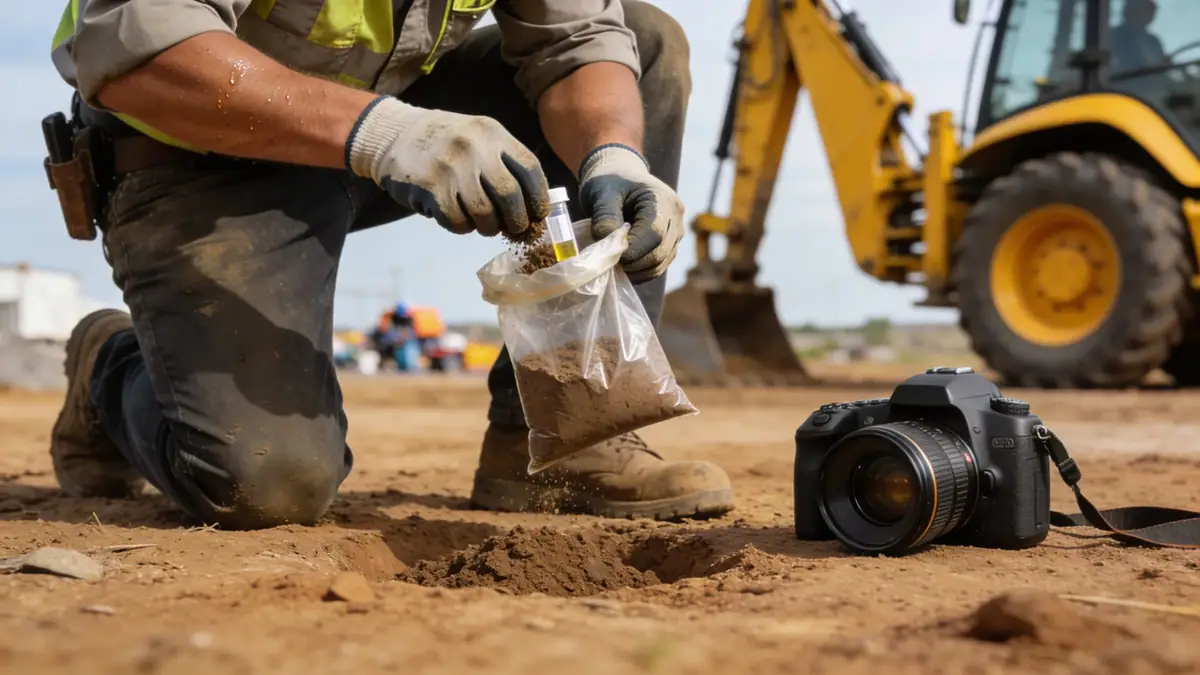
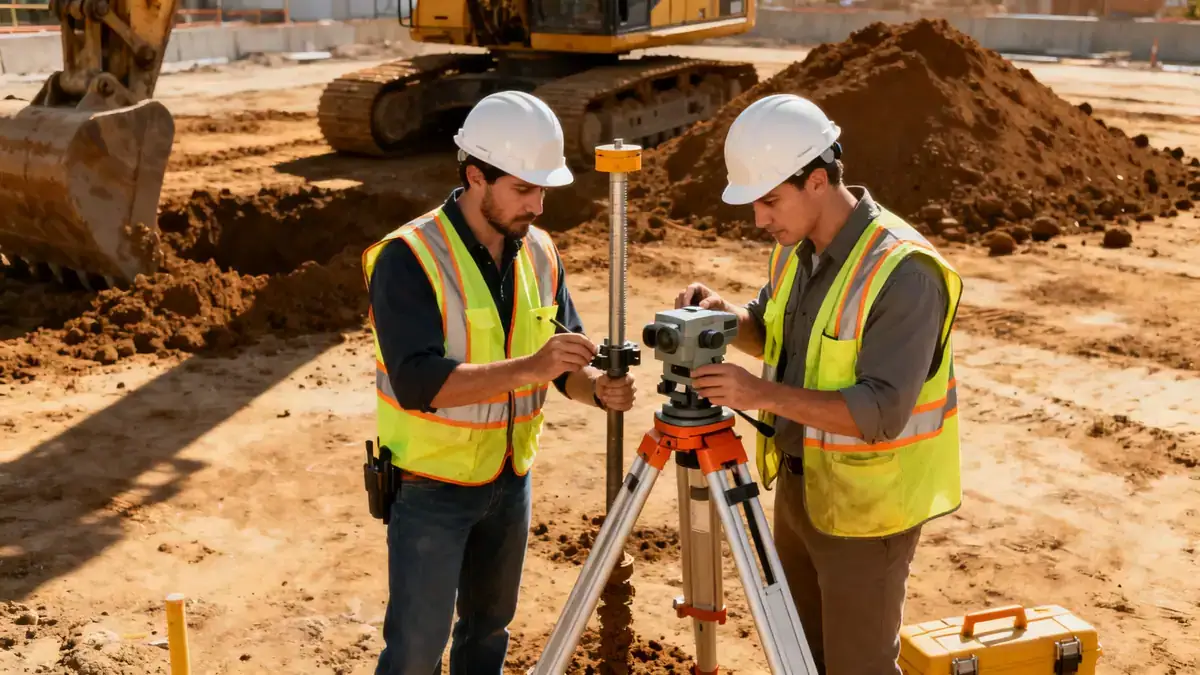
Our methodology for geotechnical engineering in Mckinney Texas begins with a comprehensive site reconnaissance and review of existing geological data. We then conduct subsurface exploration using methods such as spt boring in accordance with ASTM D1586, with sampling intervals typically every 1.5 meters to depths of 15 to 30 meters depending on project requirements. Soil samples are retrieved and transported to our laboratory for classification, strength, and consolidation testing. All field and laboratory data are synthesized into a detailed geotechnical report that includes recommendations for foundation type, allowable bearing pressures, and construction considerations. This systematic approach ensures that our clients receive reliable, actionable information tailored to the specific conditions of their Mckinney site.
Reference Technical Parameters
| Parameter | Reference Value |
|---|---|
| Predominant soil type | Expansive clay (high plasticity) and alluvial silty sands |
| Maximum seismic acceleration (PGA) | 0.10g to 0.15g (ASCE 7-16, Site Class D) |
| Typical groundwater level | 3 to 8 meters below ground surface |
| Bedrock depth | Greater than 30 meters (deep sedimentary basin) |
| Typical N60 range | 4 to 25 blows per 0.3 m in clay; 10 to 40 in sand |
Local Considerations — Mckinney Texas
Mckinney Texas lies within the Blackland Prairie region, underlain by Cretaceous-age sedimentary formations such as the Austin Chalk and Eagle Ford Shale. The soil profile typically consists of high-plasticity expansive clays (CH) near the surface, which pose significant risks for foundation movement due to seasonal moisture changes. Alluvial deposits along creeks and floodplains introduce variable sand and gravel layers. Seismic design per ASCE 7-16 is required, with peak ground accelerations ranging from 0.10g to 0.15g. Our team integrates these local factors into every investigation, referencing data from the Texas Water Development Board and USGS. For projects requiring regional coordination, we complement our services with our slope stability expertise from our geotechnical engineering en Houston office.
Request a Quote
Our team reviews your project and issues an initial report at no cost.
Or write us directly at [email protected]
Services in Mckinney Texas
Applicable Standards
- ASTM D1586
- ASCE 7-16
- International Building Code (IBC) 2021
- Texas Administrative Code (TAC) Title 30
Frequently Asked Questions
What are the typical soil conditions encountered in Mckinney Texas?
Mckinney soils are predominantly high-plasticity expansive clays (CH) derived from the Austin Chalk and Eagle Ford Shale formations. These clays undergo significant volume changes with moisture variation, requiring careful foundation design. Alluvial deposits along streams introduce sandy layers and variable groundwater conditions.
Is seismic design required for geotechnical projects in Mckinney Texas?
Yes, the International Building Code (IBC) 2021 and ASCE 7-16 mandate seismic design for most structures in Mckinney. The mapped peak ground acceleration (PGA) ranges from 0.10g to 0.15g, depending on site class. Our geotechnical reports include site-specific seismic parameters to inform structural design.
Are geotechnical studies mandatory for new construction in Mckinney Texas?
While not explicitly required by all local jurisdictions, most municipalities in the Dallas-Fort Worth area, including Mckinney, strongly recommend or require geotechnical investigations for building permits. Lenders and insurers often mandate them for risk assessment. Our firm provides studies that satisfy typical city requirements and industry standards.