Methodology
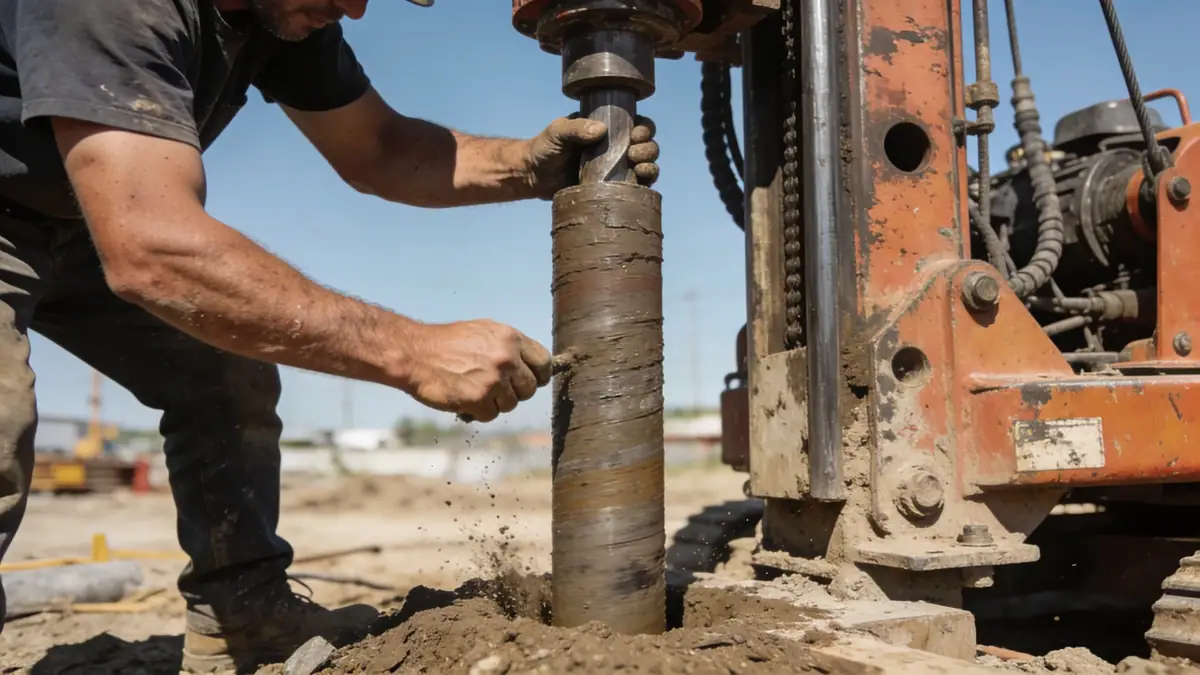
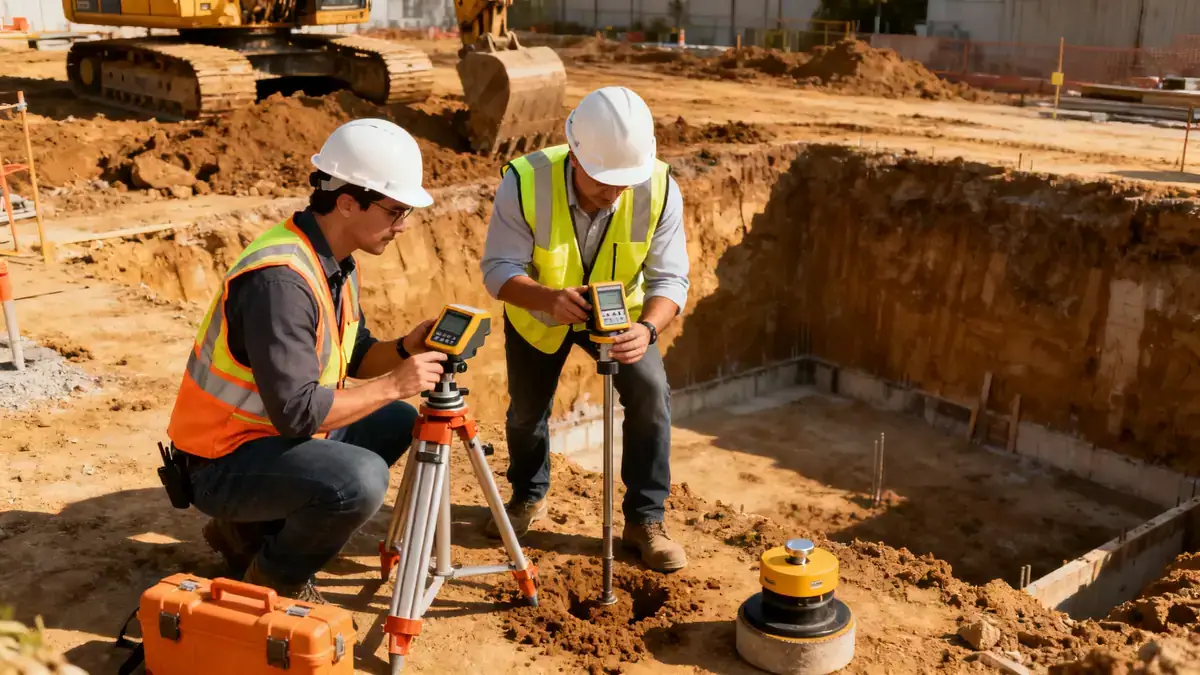
Our approach to geotechnical engineering in Spokane begins with a thorough review of existing geological maps and historical data, followed by a site-specific subsurface exploration program. We typically employ a combination of test pits and standard penetration testing (SPT) in accordance with ASTM D1586 to characterize soil stratigraphy and obtain undisturbed samples. Laboratory testing, including grain size analysis and Atterberg limits, is then performed to classify soils and assess their engineering properties. For projects requiring deeper investigation or continuous profiles, we also utilize cone penetration testing (CPT). This data is synthesized into a comprehensive geotechnical report that includes foundation recommendations, earthwork specifications, and seismic site class determination per ASCE 7.
Reference Technical Parameters
| Parameter | Reference Value |
|---|---|
| Predominant soil type | Glacial outwash sands and gravels with silt layers |
| Maximum seismic acceleration (PGA) | 0.20g for Site Class D (ASCE 7-16) |
| Typical groundwater level | 10 to 30 feet below ground surface (varies seasonally) |
| Bedrock depth | 50 to 200 feet (basalt and granite formations) |
| Typical N60 range | 10 to 50 blows per foot (sands and gravels) |
Local Considerations — Spokane
Spokane's geology is dominated by glacial outwash deposits, resulting in generally coarse-grained soils with good bearing capacity, but local variations exist. In the Spokane Valley, deep sands and gravels are common, while finer silts and clays appear near the river corridors. The region is in Seismic Zone 2B per the International Building Code, with a PGA of 0.20g, necessitating proper seismic site classification. Groundwater is typically deep but can rise seasonally near waterways. Our team has extensive experience with these conditions and can provide guidance on foundation design and earthwork. For projects requiring specialized analysis, we collaborate with our geotechnical engineering en Seattle office to leverage broader expertise. Additionally, we offer slope stability analysis for hillside developments common in the area.
Request a Quote
Our team reviews your project and issues an initial report at no cost.
Or write us directly at [email protected]
Services in Spokane
Applicable Standards
- ASTM D1586 (Standard Penetration Test)
- ASCE 7 (Minimum Design Loads for Buildings and Other Structures)
- IBC (International Building Code) – Spokane Amendments
- WSDOT Geotechnical Design Manual
Frequently Asked Questions
What types of soil are typically found in Spokane?
Spokane's soils are primarily glacial outwash deposits, consisting of sands and gravels with occasional silt layers. In the Spokane Valley, these deposits can be deep and well-drained, while along the Spokane River, finer alluvial soils may be encountered. Understanding these variations is key to proper foundation design.
Is a geotechnical study required for residential construction in Spokane?
While not always mandatory for single-family homes on stable sites, the City of Spokane and Spokane County often require geotechnical reports for subdivisions, hillside developments, or projects in seismic hazard areas. A study helps identify soil bearing capacity, settlement potential, and groundwater conditions, ensuring safe and cost-effective design.
How does seismic activity affect geotechnical design in Spokane?
Spokane is located in Seismic Zone 2B, with a mapped PGA of 0.20g. Soils can amplify ground motion, so site-specific seismic site classification (per ASCE 7) is critical. Liquefaction potential is generally low due to coarse-grained soils, but loose saturated sands in river valleys require evaluation. Our analyses incorporate these factors to mitigate earthquake risks.