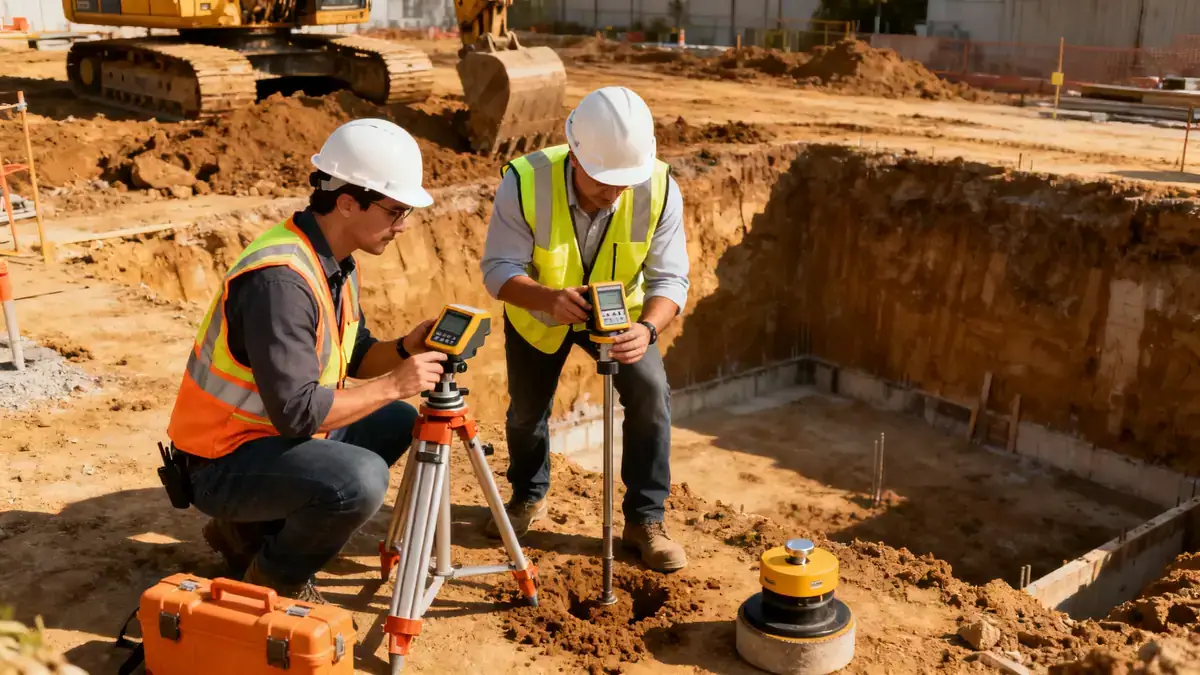
Methodology
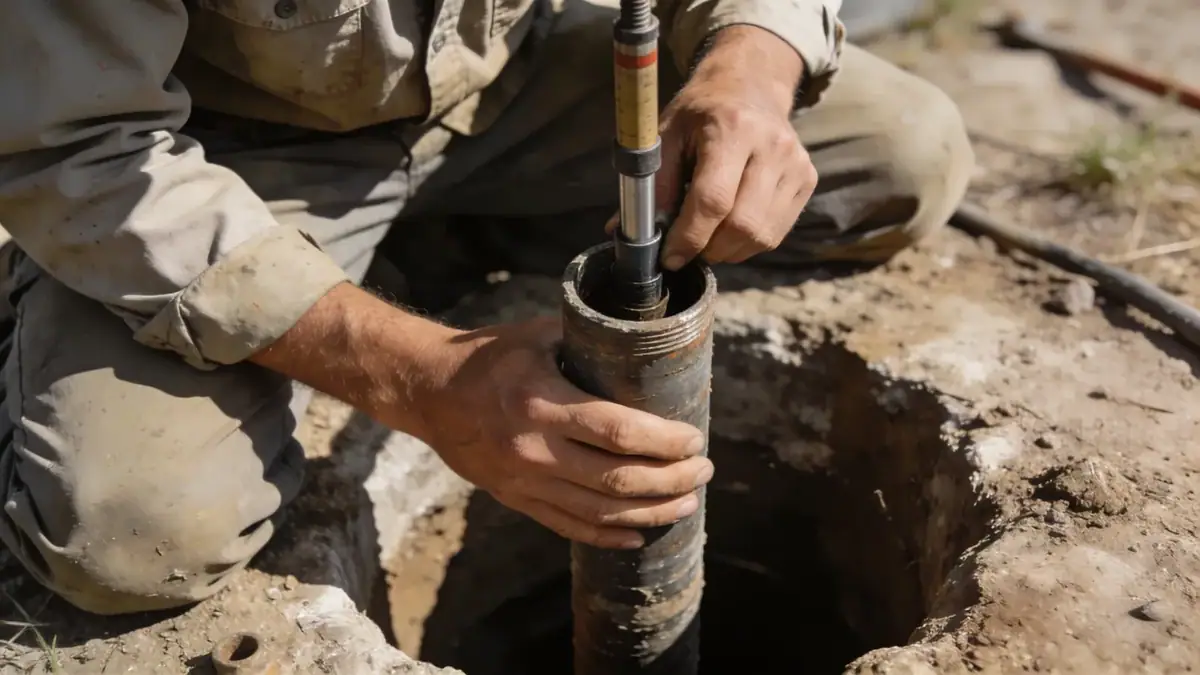
Our methodology for geotechnical engineering in Boise begins with a thorough review of existing geologic maps and records. We then perform spt boring and sampling following ASTM D1586, with blow counts recorded at 1.5-meter intervals to characterize soil density and strength. Laboratory testing—including grain size analysis, Atterberg limits, and direct shear—provides key parameters for settlement and bearing capacity analyses. Seismic site classification per ASCE 7 accounts for local fault sources and soil amplification, ensuring designs meet code requirements.
Reference Technical Parameters
| Parameter | Reference Value |
|---|---|
| Predominant soil type | Alluvial sands, silts, and gravels with clay lenses |
| Maximum seismic acceleration (PGA) | 0.2g to 0.4g (depending on site class) |
| Typical groundwater level | 1.5 to 4.5 meters below ground surface |
| Bedrock depth | Varies from 5 to 30 meters (sedimentary basin fill) |
| Typical N60 range (SPT) | 5–30 blows per 0.3 m (loose to dense sands) |
Local Considerations — Boise
Boise lies within the Intermountain Seismic Belt, with active faults such as the Grand Valley fault capable of M6.5–7.0 earthquakes. The city's alluvial basin fill amplifies ground motion, requiring site-specific response analysis per ASCE 7. Shallow groundwater, often within 3 meters, necessitates dewatering considerations for excavations and below-grade structures. Soil variability is high between the Boise River floodplain (soft silts) and the foothills (dense gravels and basalt). Our team has extensive experience with these conditions, including recent work on a multi-story project where we recommended deep foundations due to liquefaction potential. For broader regional context, see our geotechnical engineering in Seattle page.
Request a Quote
Our team reviews your project and issues an initial report at no cost.
Or write us directly at [email protected]
Services in Boise
Applicable Standards
- ASTM D1586 (Standard Penetration Test)
- ASCE 7 (Minimum Design Loads for Buildings and Other Structures)
- IBC (International Building Code) with Idaho amendments
- City of Boise Stormwater and Grading Ordinance
Frequently Asked Questions
What soil types are common in Boise and how do they affect construction?
Boise's soils are predominantly alluvial sands, silts, and gravels, with occasional clay lenses. These materials can be prone to settlement under load and may require ground improvement or deep foundations. Shallow groundwater in many areas also necessitates dewatering and waterproofing measures.
Is a geotechnical study mandatory for construction in Boise?
While not always required for minor structures, the City of Boise mandates geotechnical reports for most commercial and multi-family projects, especially in seismic hazard zones. A thorough study helps ensure code compliance and minimizes risk of differential settlement or liquefaction damage.
How does seismic activity in the Boise area influence foundation design?
Boise is in Seismic Design Category C or D per IBC. The deep sedimentary basin amplifies ground motions, and nearby faults pose surface rupture and liquefaction risks. Geotechnical reports must include site-specific PGA values and soil response spectra to guide structural design.