Methodology
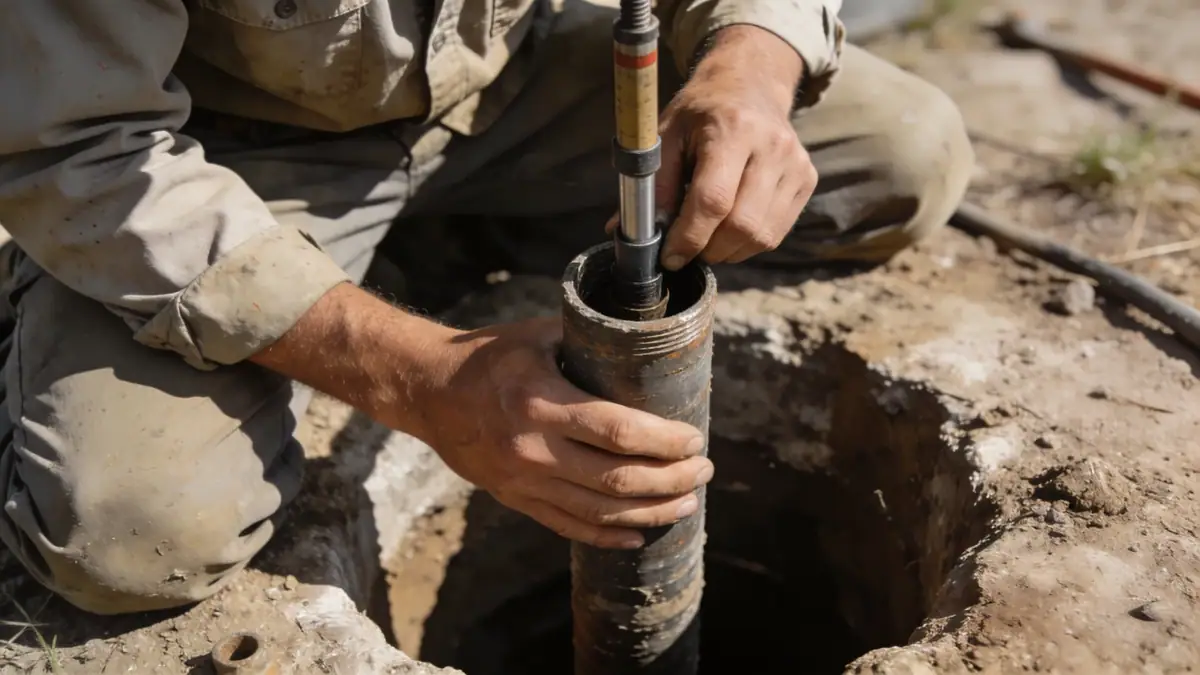
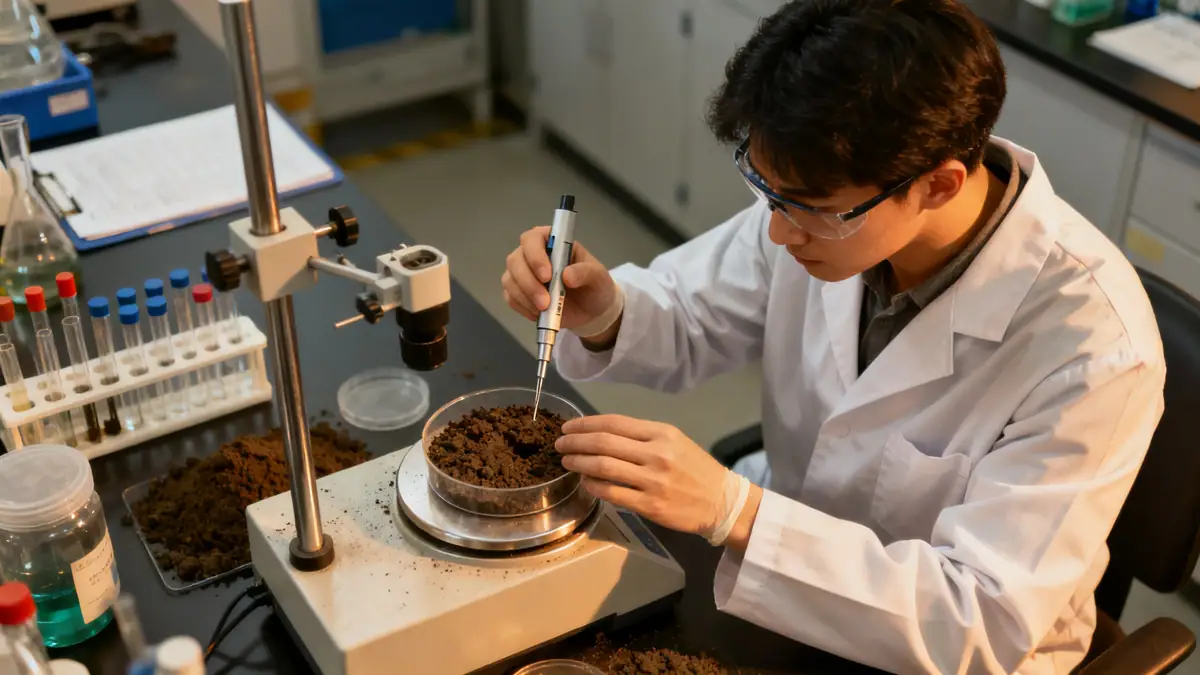
Our approach to geotechnical engineering in Eugene Oregon begins with a thorough desk study of regional geologic maps and historical records, followed by field investigation programs that may include spt boring to recover disturbed and undisturbed samples for laboratory analysis. We integrate cone penetration testing (CPT) where continuous stratigraphic profiles are needed. In the lab, we classify soils according to the Unified Soil Classification System (USCS) and evaluate engineering properties such as shear strength, compressibility, and hydraulic conductivity. All data are synthesized into a geotechnical model that supports foundation design, earthwork specifications, and seismic hazard assessments. This systematic methodology ensures that our recommendations are defensible and aligned with the specific conditions of each site in Eugene Oregon.
Reference Technical Parameters
| Parameter | Reference Value |
|---|---|
| Predominant soil type | Silty clay and clayey silt (ML/CL) over alluvial sands and gravels |
| Maximum seismic acceleration (PGA) | 0.25g to 0.35g (ASCE 7-16, Site Class D) |
| Typical groundwater level | 3 to 8 feet below ground surface (seasonal variation) |
| Bedrock depth | 50 to 150 feet (deep sedimentary basin) |
| Typical N60 range (SPT) | 4 to 20 blows/ft in clay; 20 to 50 blows/ft in sand and gravel |
Local Considerations — Eugene Oregon
Eugene Oregon lies within the Willamette Valley, a sedimentary basin underlain by Quaternary alluvium and Pleistocene Missoula Flood deposits. The region is classified as Seismic Design Category D per ASCE 7, with a peak ground acceleration of 0.25g to 0.35g for the 2% in 50-year event. Liquefaction potential is moderate in loose, saturated sands near the Willamette River. Groundwater is typically shallow (3–8 ft), requiring dewatering considerations for excavations. Our team coordinates with local building departments to ensure compliance with Oregon Structural Specialty Code (OSSC) and provides recommendations for shallow or deep foundations based on site-specific conditions. For projects requiring regional context, we also collaborate with our geotechnical engineering in Seattle office to benchmark practices across the Pacific Northwest.
Request a Quote
Our team reviews your project and issues an initial report at no cost.
Or write us directly at [email protected]
Services in Eugene Oregon
Applicable Standards
- ASTM D1586 (Standard Test Method for Standard Penetration Test)
- ASCE 7-16 (Minimum Design Loads and Associated Criteria for Buildings)
- Oregon Structural Specialty Code (OSSC) 2019
- ASTM D2487 (Standard Practice for Classification of Soils for Engineering Purposes)
Frequently Asked Questions
What types of soil are commonly encountered in Eugene Oregon?
Eugene Oregon typically has silty clays and clayey silts overlying alluvial sands and gravels, deposited by ancient floods and the Willamette River. These soils are often soft to firm and may exhibit high plasticity, requiring careful evaluation for foundation design.
How does seismic activity affect geotechnical engineering in Eugene Oregon?
Eugene Oregon is in a seismically active region with design accelerations up to 0.35g. Our geotechnical evaluations include site-specific seismic hazard analysis, liquefaction potential assessment, and recommendations for foundation systems that can withstand earthquake shaking, in compliance with ASCE 7.
Are geotechnical studies mandatory for construction in Eugene Oregon?
Yes, the Oregon Structural Specialty Code requires a geotechnical investigation for most building projects in Eugene Oregon, especially for structures in Seismic Design Category D. Local jurisdictions may also mandate reports for grading permits and slope stability analyses.