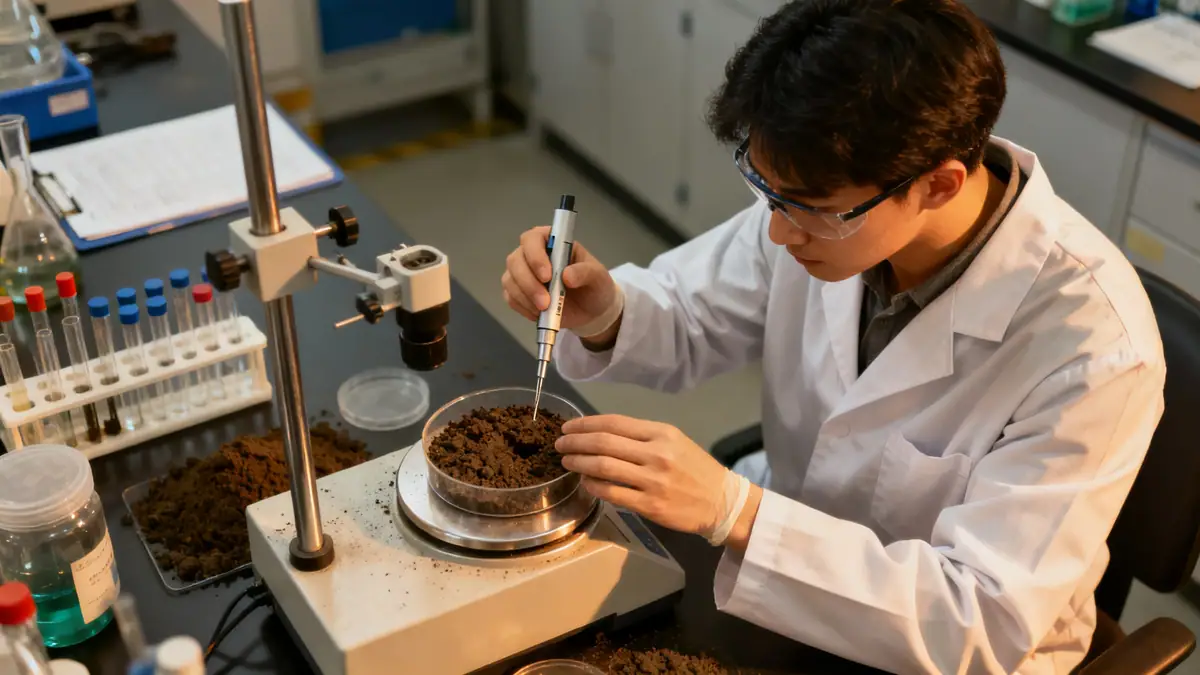
Methodology
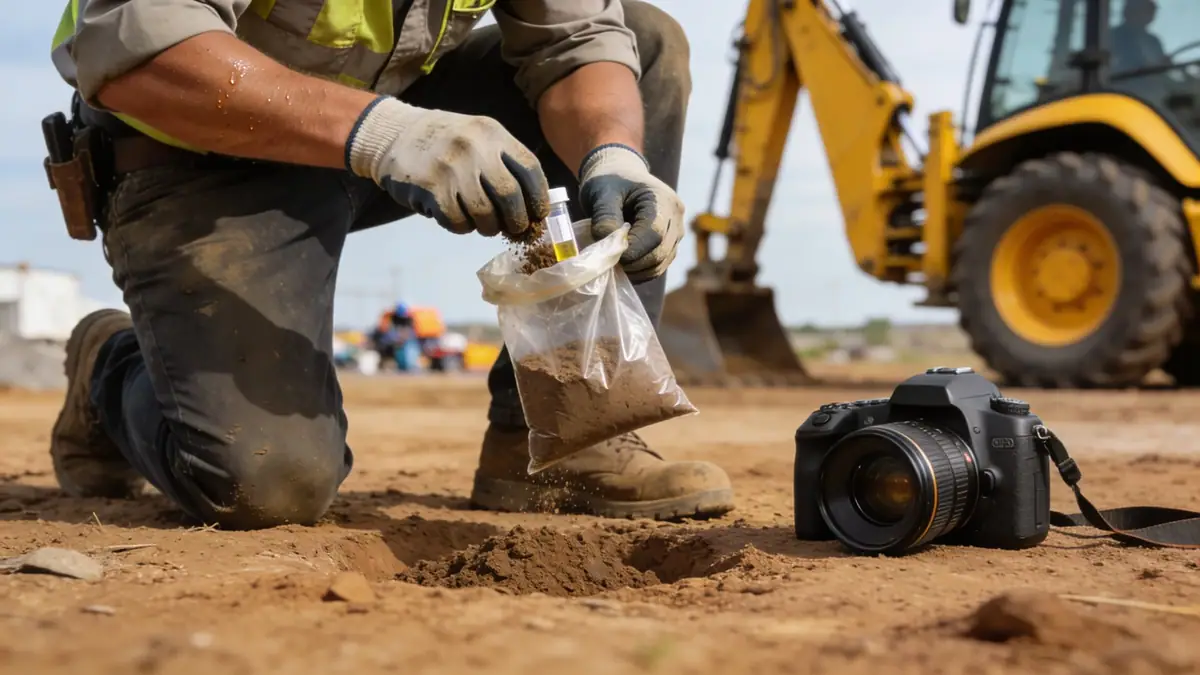
Our methodology for geotechnical engineering in Portland Oregon begins with a comprehensive review of existing geologic maps and subsurface data. We then conduct field investigations using techniques such as spt boring to obtain soil samples and measure penetration resistance. Laboratory testing follows ASTM standards to classify soils and determine engineering properties. Seismic hazard analysis incorporates site-specific response spectra per ASCE 7. Our integrated approach ensures that foundation designs account for local soil variability, groundwater conditions, and seismic demands.
Reference Technical Parameters
| Parameter | Reference Value |
|---|---|
| Predominant soil type | Silt, clay, sand, and gravel over basalt bedrock |
| Maximum seismic acceleration (PGA) | 0.3–0.5 g (Cascadia subduction zone) |
| Typical groundwater level | 2–6 m below ground surface |
| Bedrock depth | 15–60 m (Columbia River Basalt) |
| Typical N60 range | 5–30 blows per 0.3 m (SPT) |
Local Considerations — Portland Oregon
Portland Oregon's geology presents distinct challenges for geotechnical engineering. The Willamette Valley floor consists of fine-grained Missoula Flood deposits (silt and clay) underlain by Pleistocene alluvium, while the West Hills feature colluvial soils and shallow bedrock. Liquefaction potential is high in areas with loose saturated sands, especially near the Columbia and Willamette rivers. Seismic design must consider both crustal faults and interface earthquakes from the Cascadia subduction zone. Our team has extensive experience with slope stability in the West Hills and foundation solutions for soft ground in the flatlands. For projects requiring regional coordination, we collaborate with our geotechnical engineering en Seattle office.
Request a Quote
Our team reviews your project and issues an initial report at no cost.
Or write us directly at [email protected]
Services in Portland Oregon
Applicable Standards
- ASCE 7-16 Minimum Design Loads and Associated Criteria for Buildings and Other Structures
- Oregon Structural Specialty Code (OSSC) with Portland amendments
- ASTM D1586-18 Standard Test Method for Penetration Test and Split-Barrel Sampling of Soils
- ASTM D2487-17 Standard Practice for Classification of Soils for Engineering Purposes (Unified Soil Classification System)
- ASTM D422-63 (2019) Standard Test Method for Particle-Size Analysis of Soils
Frequently Asked Questions
What are the typical soil types encountered in Portland Oregon?
Soils in Portland Oregon range from silty clays and sands of the Missoula Flood deposits to colluvial soils on hillsides and weathered basalt bedrock. The variation requires site-specific characterization for foundation design.
How does seismic activity in the Cascadia subduction zone affect geotechnical design in Portland?
Portland lies within a high-seismic zone. Geotechnical engineers must evaluate liquefaction potential, lateral spreading, and site amplification per ASCE 7. Deep foundations or ground improvement may be required to mitigate risks.
Are geotechnical investigations mandatory for construction in Portland Oregon?
Yes, the Oregon Structural Specialty Code requires a geotechnical report for most new buildings, especially those in seismic design categories C, D, or E. Local amendments may impose additional requirements for hillside developments.