Methodology
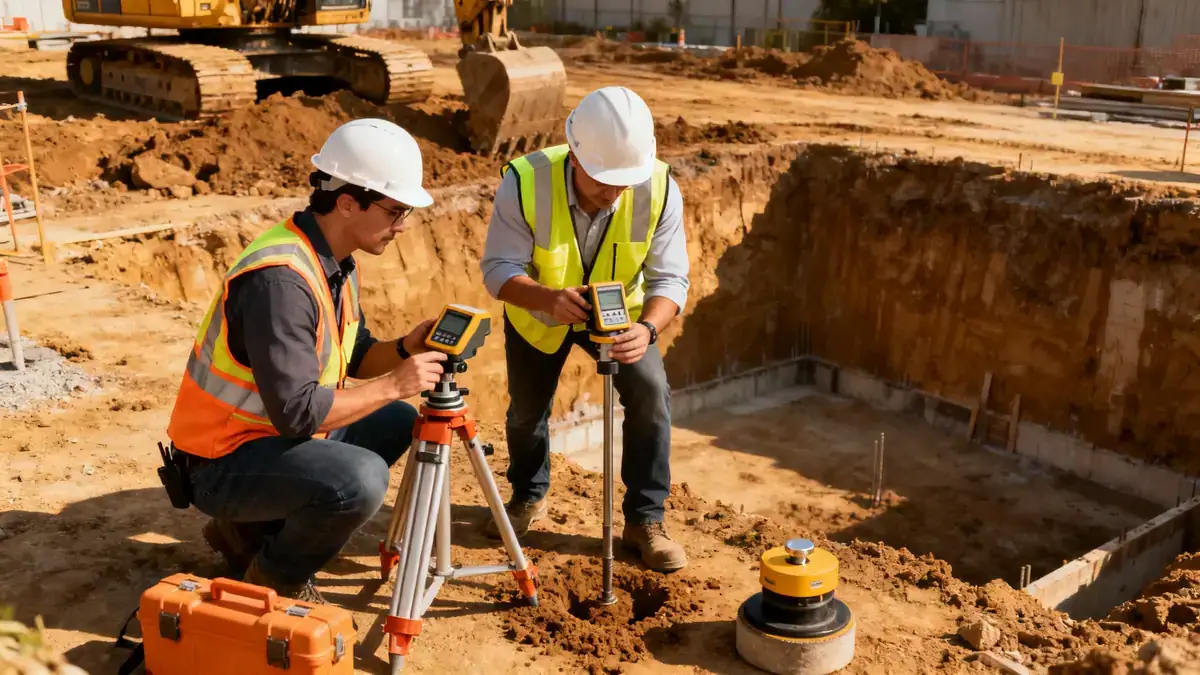
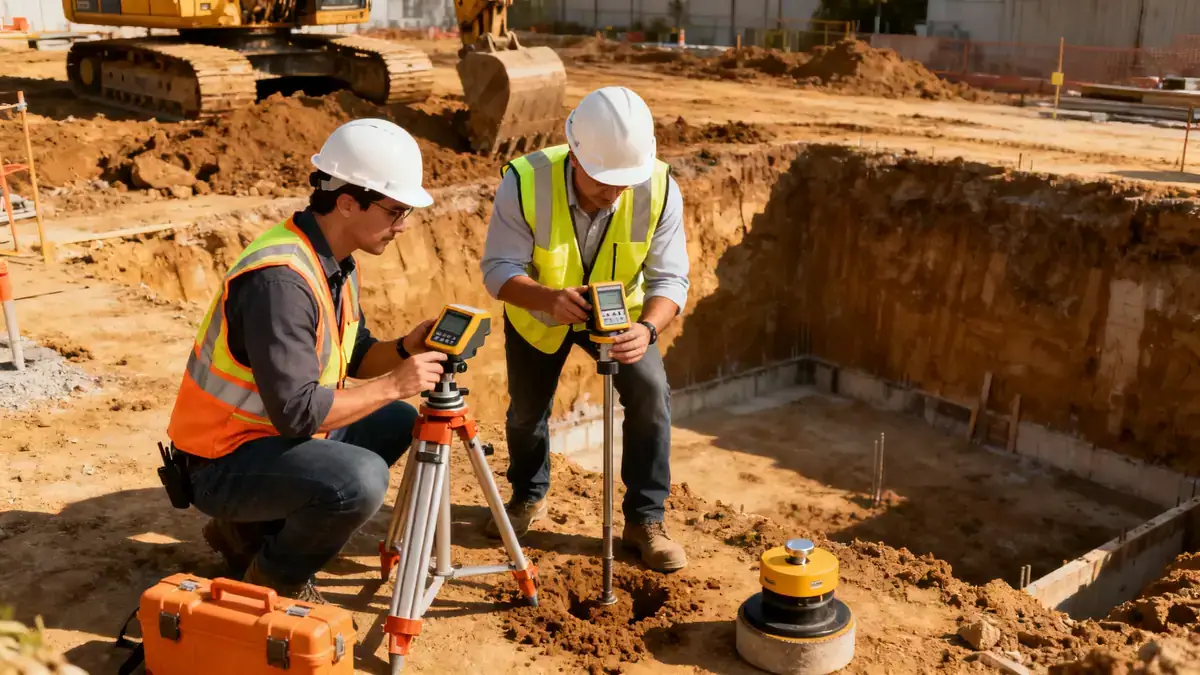
Our approach to geotechnical engineering in Boise Idaho integrates field investigations, laboratory testing, and numerical analysis tailored to the region's unique conditions. We employ standard penetration testing (SPT) per ASTM D1586 with sampling intervals of 1.0–1.5 m to characterize soil strata, supplemented by continuous CPT soundings where needed. Laboratory programs include grain-size distribution (ASTM D6913), Atterberg limits, and triaxial shear testing to define engineering properties. For seismic evaluations, we assess site class per ASCE 7-22 using shear wave velocity measurements. Our methodology ensures robust foundation design for expansive clays, liquefiable sands, and variable bedrock depths typical of Boise's geologic framework. This systematic process supports safe and cost-effective development across the city.
Reference Technical Parameters
| Parameter | Reference Value |
|---|---|
| Predominant soil type | Silty sands and gravels (SM, GM) with interbedded clays (CL, CH) |
| Maximum seismic acceleration (PGA) | 0.2–0.3 g (ASCE 7-22, Site Class D) |
| Typical groundwater level | 3–10 m below ground surface (seasonal variation) |
| Bedrock depth | 15–30 m (basalt flows and sedimentary rock) |
| Typical N60 range | 10–40 blows/0.3 m (sands); 5–20 (clays) |
Local Considerations — Boise Idaho
Boise's geology presents distinct challenges: the Boise River floodplain contains loose, saturated sands prone to liquefaction during seismic events, while the foothills feature stiff clays and weathered basalt with shallow bedrock. Our team addresses these conditions through site-specific investigations, including spt boring to profile soil variability and groundwater monitoring. The city's seismic hazard, influenced by the nearby Sawtooth and Lost River faults, requires careful evaluation of peak ground accelerations (0.2–0.3 g per ASCE 7-22). In downtown Boise, historical fill and former canal alignments complicate foundation design. We also consider swelling potential in clay-rich units and collapse susceptibility in loess deposits. For a broader perspective, our geotechnical engineering en Seattle team manages similar alluvial and glacial terrains.
Request a Quote
Our team reviews your project and issues an initial report at no cost.
Or write us directly at [email protected]
Services in Boise Idaho
Applicable Standards
- ASCE 7-22 (Minimum Design Loads and Associated Criteria for Buildings and Other Structures)
- IBC 2021 (International Building Code, adopted by Idaho)
- ASTM D1586 (Standard Test Method for Standard Penetration Test)
- ASTM D2487 (Standard Practice for Classification of Soils for Engineering Purposes)
- Idaho Division of Building Safety (IDBS) Geotechnical Guidelines
Frequently Asked Questions
What are the typical soil conditions in Boise, Idaho?
Boise's soils vary from silty sands and gravels in the river valley to stiff clays and weathered basalt in the foothills. Groundwater is generally 3–10 m deep, and bedrock (basalt or sedimentary rock) lies 15–30 m below surface. Expansive clays and liquefiable sands are common concerns.
Is a geotechnical study required for construction in Boise?
Yes, the 2021 IBC and Idaho state codes mandate a geotechnical investigation for most commercial and multi-family projects. Single-family homes may also require studies in high-risk zones (e.g., steep slopes, floodplains). Our team ensures compliance with local building department requirements.
How does seismic activity affect foundation design in Boise?
Boise lies within Seismic Design Category C to D per ASCE 7-22, with PGA values of 0.2–0.3 g. Loose floodplain sands are prone to liquefaction, requiring deep foundations or ground improvement. Our analyses incorporate site-specific response spectra and lateral spread evaluations.