
Methodology
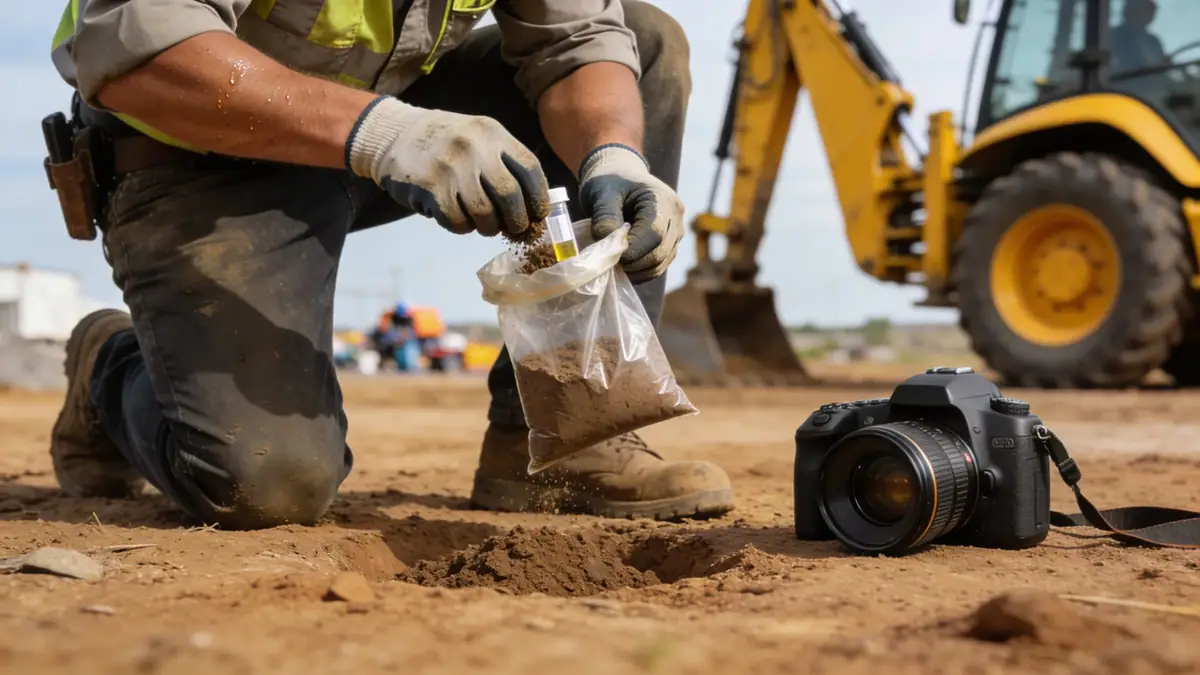
Our approach to geotechnical engineering in Juneau Alaska begins with a comprehensive review of existing geological maps and historical data, followed by field investigations tailored to the site conditions. We employ a combination of drilling, sampling, and in-situ testing, such as spt boring to characterize subsurface stratigraphy and soil strength. Laboratory testing on recovered samples provides parameters for foundation design and slope stability analyses. Our methodology adheres to ASTM D1586 for standard penetration tests, ensuring reliable data for bearing capacity and settlement calculations. We integrate seismic hazard assessments per ASCE 7 to evaluate peak ground acceleration, which is critical in this seismically active region. The resulting recommendations are documented in detailed reports that support informed decision-making and regulatory compliance.
Reference Technical Parameters
| Parameter | Reference Value |
|---|---|
| Predominant soil type | Glacial till and alluvial deposits |
| Maximum seismic acceleration (PGA) | 0.3–0.5 g (ASCE 7) |
| Typical groundwater level | 2–5 m below surface |
| Bedrock depth | 10–30 m in valley areas |
| Typical N60 range | 10–40 blows/0.3 m |
Local Considerations — Juneau Alaska
Juneau’s geology is dominated by glacial deposits and steep mountainous terrain, with significant variations between the downtown waterfront and the Mendenhall Valley. The city lies in a high-seismicity zone, requiring detailed seismic site classification per ASCE 7. Shallow groundwater and potential for liquefaction in loose alluvial soils demand careful evaluation. Our team addresses these factors through site-specific investigations, supporting projects from hillside residential developments to commercial structures. For firms seeking broader expertise, we also offer geotechnical engineering en Seattle services, leveraging regional knowledge to address similar challenges in the Pacific Northwest.
Request a Quote
Our team reviews your project and issues an initial report at no cost.
Or write us directly at [email protected]
Services in Juneau Alaska
Applicable Standards
- ASTM D1586
- ASCE 7
- Alaska Building Code
- International Building Code (IBC)
Frequently Asked Questions
What are the typical soil conditions for geotechnical engineering in Juneau Alaska?
Soils in Juneau are predominantly glacial till, alluvial deposits, and organic layers. Glacial till offers variable bearing capacity, while alluvial soils near the coast may be loose and prone to liquefaction. Bedrock depth varies from shallow in upland areas to over 30 meters in valleys.
Why is seismic analysis critical for geotechnical engineering in Juneau Alaska?
Juneau is located in a high-seismicity region, with potential for earthquakes exceeding magnitude 7.0. Seismic site classification per ASCE 7 is required to evaluate peak ground acceleration and liquefaction risk. Our analyses ensure foundations and slopes can withstand seismic forces.
Are geotechnical studies mandatory for construction in Juneau Alaska?
Yes, the Alaska Building Code mandates site-specific geotechnical investigations for most commercial and multi-family residential projects. Studies are required to assess soil bearing capacity, settlement, groundwater, and seismic hazards, ensuring safe and compliant design.