Methodology
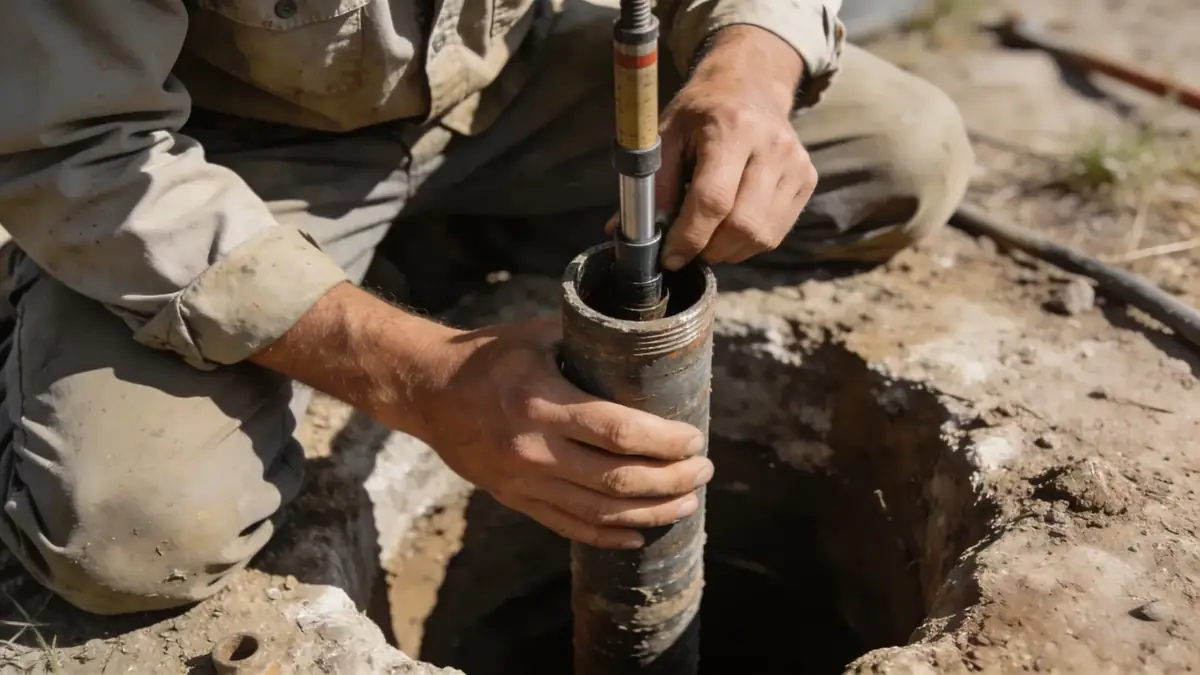
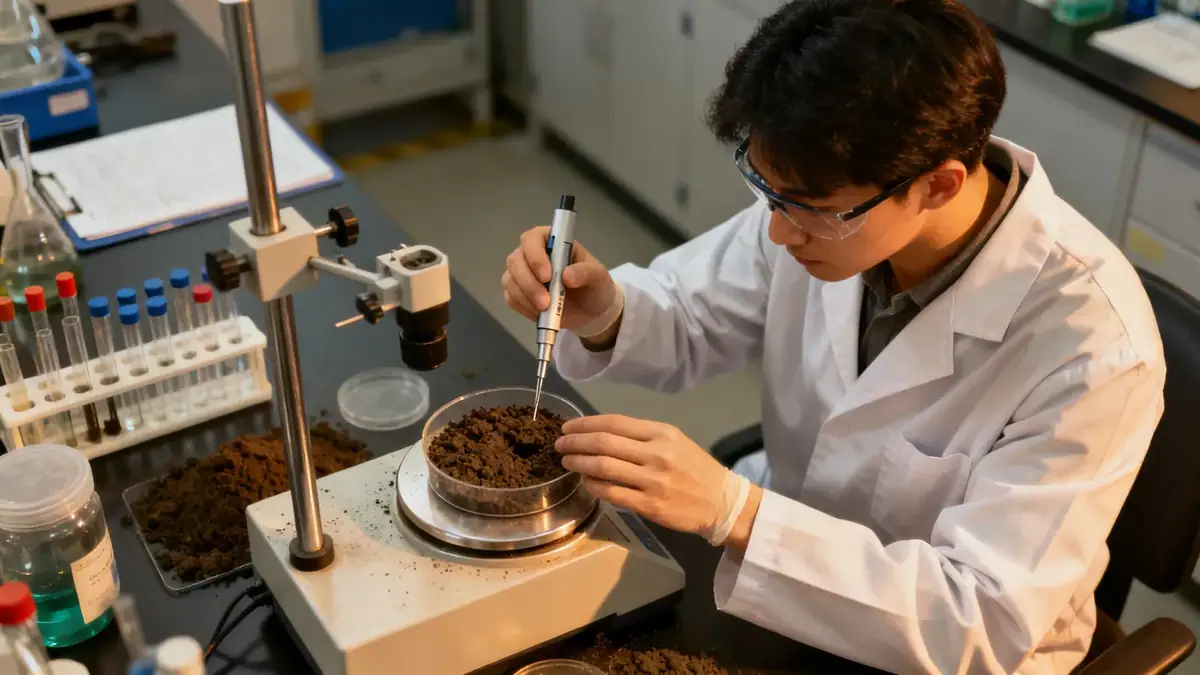
Our methodology in Mesa begins with a comprehensive site reconnaissance to assess surface conditions. We then perform subsurface exploration using spt boring to retrieve soil samples and measure N60 values at 1.5 m intervals per ASTM D1586. Laboratory testing follows, including Atterberg limits, grain size analysis (ASTM D6913), and direct shear tests (ASTM D3080). For seismic evaluations, we determine site class per ASCE 7-22 and compute peak ground acceleration. This data informs our settlement and bearing capacity analyses, ensuring designs comply with Mesa's local codes.
Reference Technical Parameters
| Parameter | Reference Value |
|---|---|
| Predominant soil type | Granular alluvium with clay lenses (SC, SP, CL) |
| Maximum seismic acceleration (PGA) | 0.2g to 0.4g (Site Class D, MCE) |
| Typical groundwater level | 3 to 15 m below ground surface |
| Bedrock depth | Greater than 30 m (deep basin) |
| Typical N60 range | 10 to 40 blows/0.3 m |
Local Considerations — Mesa
Mesa's geology is dominated by alluvial deposits from the Salt River, with variable clay and sand layers. Expansive soils are common in the southeast, requiring sulfate-resistant concrete and moisture control. Groundwater fluctuates seasonally, affecting excavation stability. Seismic hazard is moderate due to the South Mountains fault zone, with PGA reaching 0.4g. Our soil mechanics laboratory provides site-specific data to mitigate risks. For regional context, our geotechnical engineering in Phoenix offers broader insights into the Salt River Valley's geotechnical challenges.
Request a Quote
Our team reviews your project and issues an initial report at no cost.
Or write us directly at [email protected]
Services in Mesa
Applicable Standards
- ASTM D1586 (Standard Penetration Test)
- ASCE 7-22 (Minimum Design Loads for Buildings)
- IBC 2021 (International Building Code)
- AASHTO M 145 (Soil Classification)
Frequently Asked Questions
What soil types are most common in Mesa for geotechnical engineering projects?
Mesa's subsurface typically consists of alluvial sands, silts, and clays. Expansive clay layers are prevalent in the southeastern areas, requiring special foundation design to mitigate swelling potential. Granular soils dominate the western parts, offering better drainage but posing liquefaction hazards during seismic events.
How does seismic design in Mesa differ from other Arizona cities?
Mesa falls under Seismic Design Category C per IBC 2021 due to its proximity to the South Mountains fault zone. Peak ground acceleration ranges from 0.2g to 0.4g, higher than in Tucson but lower than in Flagstaff. Site-specific response spectra are required for critical structures.
Are geotechnical investigations mandatory for construction in Mesa?
Yes, the City of Mesa requires a geotechnical report for most new buildings and additions, especially in areas with expansive soils or high seismic risk. The report must comply with IBC 2021 and ASCE 7-22, including recommendations for foundation type, soil treatment, and seismic detailing.