Methodology
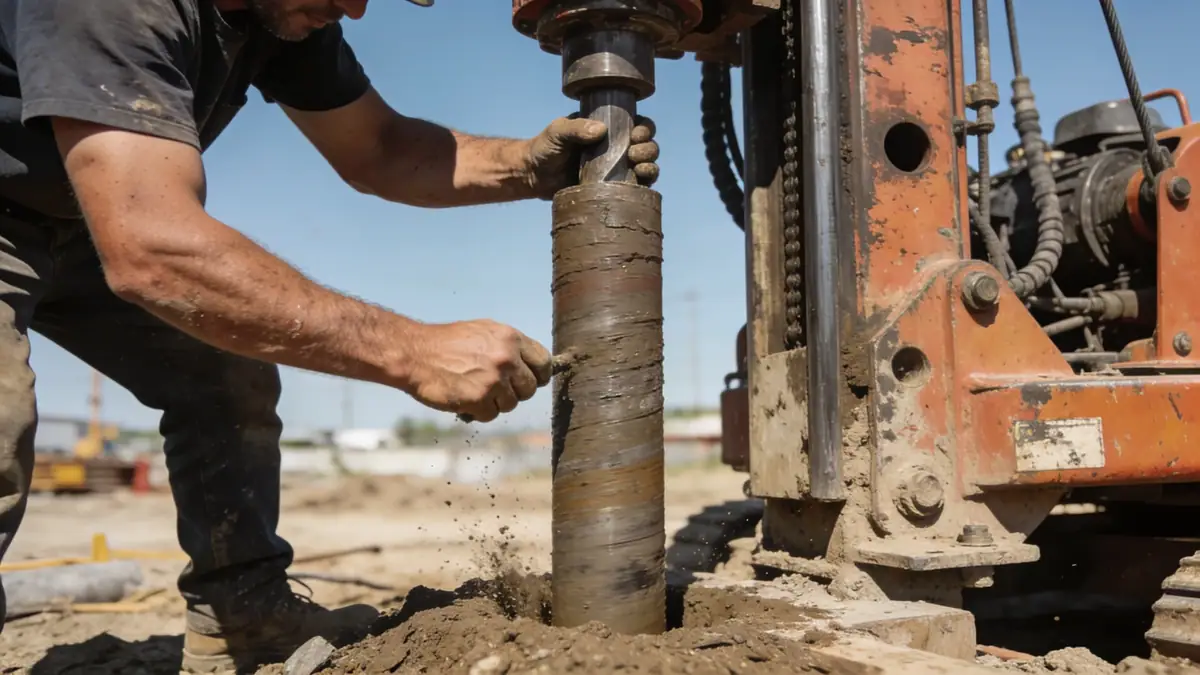
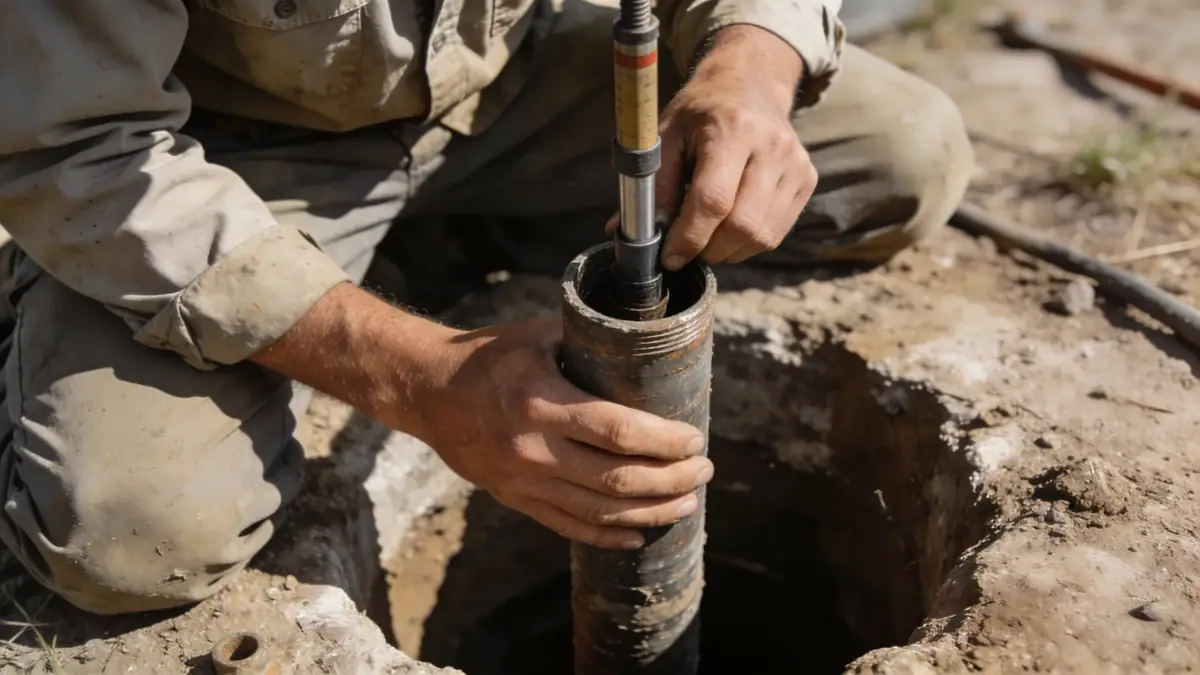
Our methodology for geotechnical engineering in Peoria Arizona begins with a thorough review of existing geological maps, seismic hazard data, and site history. We conduct subsurface investigations using methods such as spt boring to determine soil stratigraphy, groundwater conditions, and engineering properties. Sampling intervals follow ASTM D1586, with typical depths ranging from 8 to 15 meters for residential projects and up to 30 meters for larger structures. Laboratory testing on recovered samples includes grain size analysis, Atterberg limits, and compaction tests to classify soils and assess their behavior under load. Our approach integrates these findings with local building codes and ASCE 7 seismic provisions to develop foundation recommendations, slope stability evaluations, and construction guidelines. This systematic process ensures that each project receives a site-specific solution aligned with the geological context of Peoria Arizona.
Reference Technical Parameters
| Parameter | Reference Value |
|---|---|
| Predominant Soil Type | Silty sands and gravelly sands (alluvial deposits) |
| Maximum Seismic Acceleration (PGA) | 0.2g to 0.3g (ASCE 7, Site Class D) |
| Typical Groundwater Level | 10 to 25 meters below ground surface |
| Bedrock Depth | Variable, generally >30 meters (deep alluvial basin) |
| Typical N60 Range (SPT) | 10 to 30 blows per 0.3 meters (loose to medium dense sands) |
Local Considerations — Peoria Arizona
Peoria Arizona's geology is dominated by alluvial deposits from the Agua Fria River and adjacent mountain fronts, resulting in variable soil conditions across the city. In the northern foothills near Lake Pleasant, bedrock may be shallower, while southern areas near the Gila River have deeper alluvium. Groundwater levels are generally deep but can rise locally near irrigation canals. Seismic hazard is moderate, with peak ground accelerations up to 0.3g, requiring careful evaluation of liquefaction potential in saturated sands. Our team has extensive experience addressing these conditions, including for projects requiring slope stability analyses in hillside developments. We also collaborate closely with our main office for geotechnical engineering en Phoenix to leverage regional expertise and ensure consistent quality across the metropolitan area.
Request a Quote
Our team reviews your project and issues an initial report at no cost.
Or write us directly at [email protected]
Services in Peoria Arizona
Applicable Standards
- ASTM D1586 (Standard Penetration Test)
- ASCE 7 (Minimum Design Loads for Buildings)
- International Building Code (IBC) with Arizona amendments
- City of Peoria Engineering Design Standards
- AASHTO (for transportation projects)
Frequently Asked Questions
What are the typical soil conditions encountered in Peoria Arizona?
Soils in Peoria Arizona primarily consist of silty sands and gravelly sands from alluvial deposits, with occasional clay lenses. The depth to bedrock varies significantly, often exceeding 30 meters in the valley, while the foothills may have shallower rock. Groundwater is generally deep, reducing liquefaction risk, but localized perched water may occur near irrigation areas.
Is a geotechnical investigation required for new construction in Peoria Arizona?
Yes, the City of Peoria requires a geotechnical report for most new building permits, particularly for structures in seismic design categories D or above, or in areas with expansive soils or fill. The report must address soil bearing capacity, settlement, and seismic hazards, following IBC and ASCE 7 guidelines.
How does seismic activity in Arizona affect geotechnical design in Peoria?
Arizona experiences moderate seismicity, with Peoria having a peak ground acceleration of 0.2g to 0.3g. This requires site-specific seismic hazard assessments, including liquefaction evaluation for saturated sandy soils. Our designs incorporate ASCE 7 provisions to ensure foundation and retaining wall stability under seismic loading.