Methodology
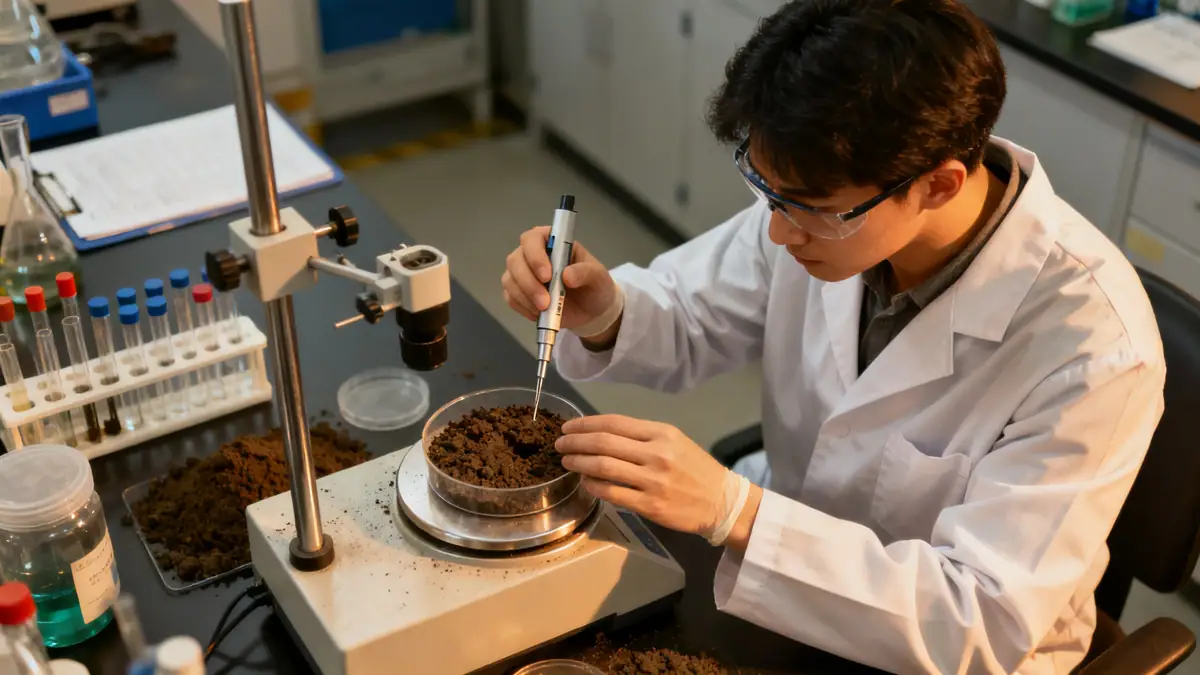
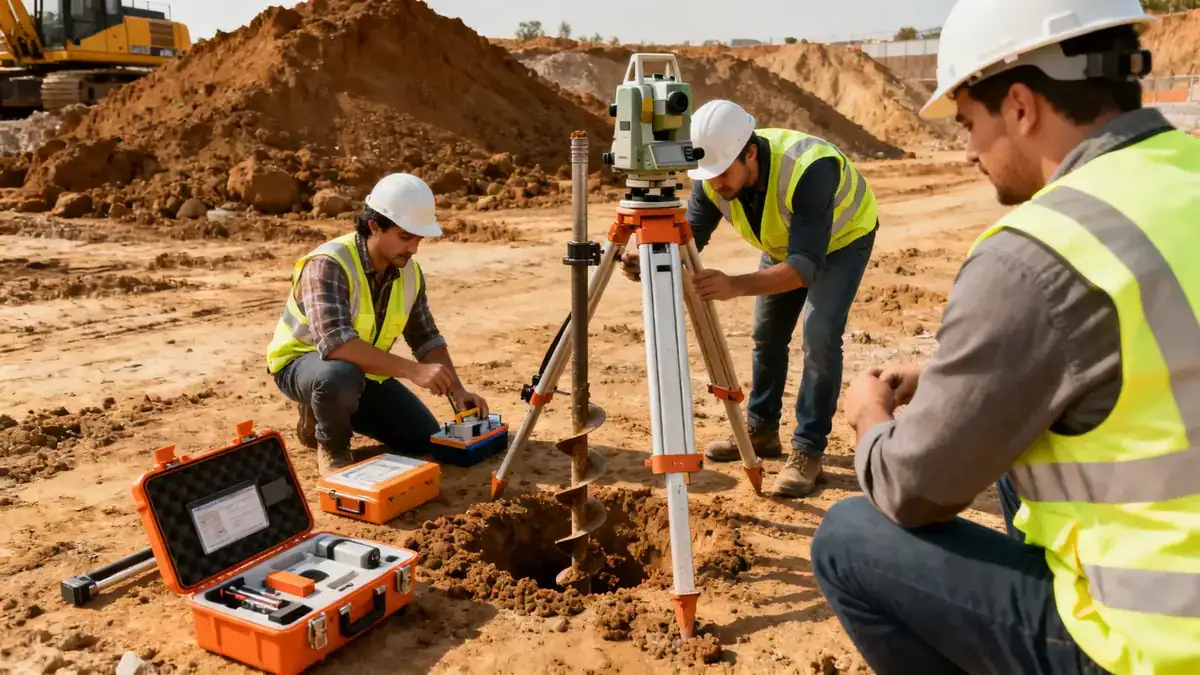
Our approach to geotechnical engineering in Surprise begins with a thorough review of site history and regional geology. We employ standard penetration testing (SPT) in accordance with ASTM D1586, typically advancing borings to depths of 10–15 meters for residential structures and up to 30 meters for commercial projects. Soil samples are retrieved at 1.5-meter intervals and subjected to laboratory classification, including sieve analysis (ASTM D6913) and Atterberg limits (ASTM D4318). For projects requiring deeper investigation or continuous profiling, we also utilize cone penetration testing (CPT) with electronic piezocones, recording data every 2 centimeters. Our team integrates these results with site-specific seismic hazard assessments per ASCE 7-16 to provide design parameters for shallow and deep foundations, retaining walls, and slope stability. This systematic methodology ensures that our recommendations are tailored to the unique conditions of each Surprise property.
Reference Technical Parameters
| Parameter | Reference Value |
|---|---|
| Predominant Soil Type | Sandy lean clay (CL) and silty sand (SM) with gravel |
| Maximum Seismic Acceleration (PGA) | 0.15–0.20 g (Site Class C/D per ASCE 7-16) |
| Typical Groundwater Level | 15–30 m below surface (variable seasonally) |
| Bedrock Depth | >50 m (deep sedimentary basin) |
| Typical N60 Range (SPT) | 10–30 blows/ft (medium dense to dense) |
Local Considerations — Surprise Arizona
Surprise lies within the Basin and Range Province, characterized by deep alluvial deposits from the White Tank Mountains. The soil profile typically consists of interbedded sands, silts, and clays with variable plasticity, leading to moderate shrink-swell potential. Groundwater is generally deep (>15 m) but can rise locally near irrigation canals. Seismic design follows ASCE 7-16 with mapped spectral accelerations (S_s ≈ 0.3g, S_1 ≈ 0.1g). The city's rapid development requires careful evaluation of fill placement and compaction for new subdivisions. For projects requiring specialized analysis, our slope stability studies address the risks of erosion and shallow landslides on sloping lots. Our team coordinates closely with the City of Surprise's building department to ensure compliance with local grading ordinances and drainage requirements.
Request a Quote
Our team reviews your project and issues an initial report at no cost.
Or write us directly at [email protected]
Services in Surprise Arizona
Applicable Standards
- ASTM D1586 (Standard Penetration Test)
- ASCE 7-16 (Minimum Design Loads and Associated Criteria for Buildings and Other Structures)
- IBC 2021 (International Building Code)
- City of Surprise Grading and Drainage Ordinance
Frequently Asked Questions
What are the typical soil conditions for residential construction in Surprise, Arizona?
Soils in Surprise are predominantly sandy lean clays and silty sands derived from alluvial fans. They exhibit moderate plasticity and shrink-swell potential. Standard residential foundations often require soil improvement or deep footings to mitigate differential settlement.
Is a geotechnical investigation required for new homes in Surprise?
Yes, the City of Surprise typically mandates a geotechnical report for new subdivisions and custom homes. The investigation must include soil borings to a depth of at least 10 feet or to competent bearing strata, and laboratory testing for expansion potential and strength.
How does seismic design affect foundation engineering in Surprise?
Surprise is located in Seismic Design Category B to C per IBC 2021. The peak ground acceleration (PGA) ranges from 0.15 to 0.20g. Site-specific response spectra may be required for critical structures. Foundations must be designed to accommodate potential liquefaction in loose saturated sands, though groundwater is typically deep.