Methodology
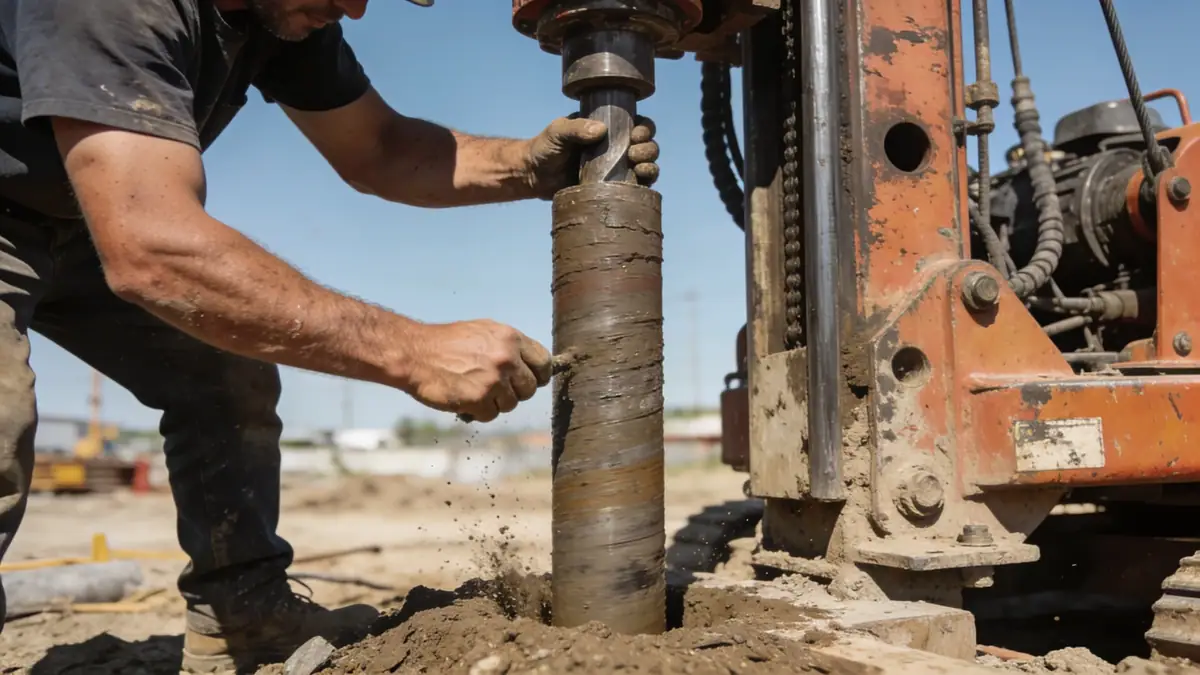
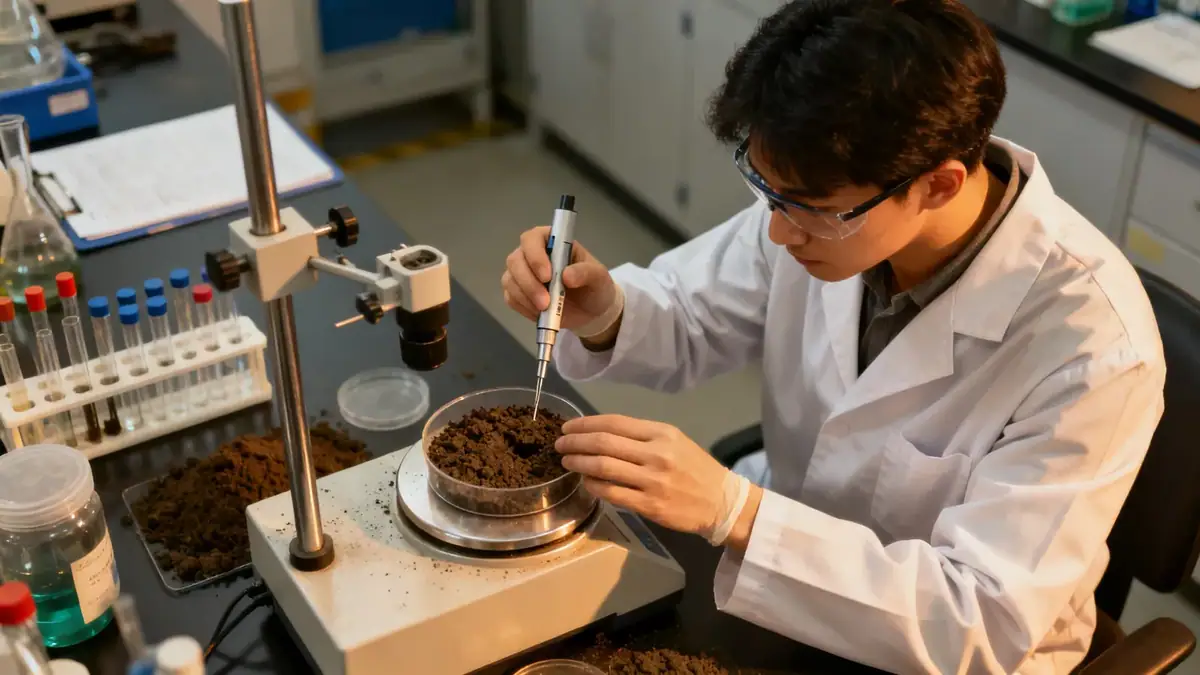
Our approach to geotechnical engineering in Gilbert integrates field exploration, laboratory testing, and advanced analysis. We employ spt boring to recover disturbed samples and measure N-values per ASTM D1586, typically extending to depths of 10–20 meters for residential projects and up to 30 meters for commercial structures. Continuous sampling intervals of 1.0–1.5 meters allow detailed stratification of sand, silt, clay, and gravel layers. In our soil mechanics laboratory, we conduct index tests, direct shear, and consolidation tests to characterize strength and compressibility. This data informs foundation recommendations, settlement estimates, and slope stability evaluations, ensuring compliance with local codes and project-specific performance criteria.
Reference Technical Parameters
| Parameter | Reference Value |
|---|---|
| Predominant soil type | Silty sand (SM), poorly graded sand (SP), with interbedded clay (CL) |
| Maximum seismic acceleration (PGA) | 0.35g–0.40g (ASCE 7-22, Site Class D) |
| Typical groundwater level | 15–30 m below ground surface, locally shallower near canals |
| Bedrock depth | >100 m (deep basin fill, no competent rock within typical exploration depths) |
| Typical N60 range | 10–30 blows/ft for sands; 5–15 blows/ft for clays |
Local Considerations — Gilbert
Gilbert's geology consists of deep alluvial deposits from the Salt River, with interbedded sands, silts, and clays. The water table is generally deep (15–30 m), but localized perched conditions may occur near irrigation canals. Seismic site classification typically falls under Site Class D, with PGA values up to 0.40g per ASCE 7-22. Older neighborhoods in the historic core may have undocumented fill, while newer subdivisions often require compaction testing. Common geotechnical challenges include collapsible soils, expansive clays, and liquefaction potential in saturated loose sands. Our team integrates these factors into cost-effective foundation solutions. For regional context, see our page on geotechnical engineering in Phoenix, which shares similar basin geology. Additionally, our slope stability services address grading and retention issues common in Gilbert's master-planned communities.
Request a Quote
Our team reviews your project and issues an initial report at no cost.
Or write us directly at [email protected]
Services in Gilbert
Applicable Standards
- ASTM D1586 (Standard Penetration Test)
- ASCE 7-22 (Minimum Design Loads for Buildings and Other Structures)
- 2021 International Building Code (IBC)
- ASTM D2487 (Classification of Soils for Engineering Purposes)
- ASTM D3080 (Direct Shear Test)
Frequently Asked Questions
What soil types are commonly encountered in Gilbert?
Gilbert predominantly features silty sands, poorly graded sands, and interbedded clays derived from alluvial fan deposits. These soils are often non-plastic to low-plasticity, but localized clay lenses can exhibit moderate expansion potential. Understanding stratification is key to foundation design.
What seismic design criteria apply in Gilbert?
Per the 2021 IBC and ASCE 7-22, Gilbert falls under Seismic Design Category D with a maximum PGA of 0.40g. Site Class D is typical for deep alluvial soils. Liquefaction assessment is required where groundwater is shallow, particularly near the Salt River channel.
Are geotechnical studies mandatory for new construction in Gilbert?
Yes, the Town of Gilbert requires geotechnical reports for most new buildings, additions, and retaining walls over 4 feet in height. Reports must address soil bearing capacity, settlement, seismic site class, and expansive soil potential per the 2021 IBC.