Methodology
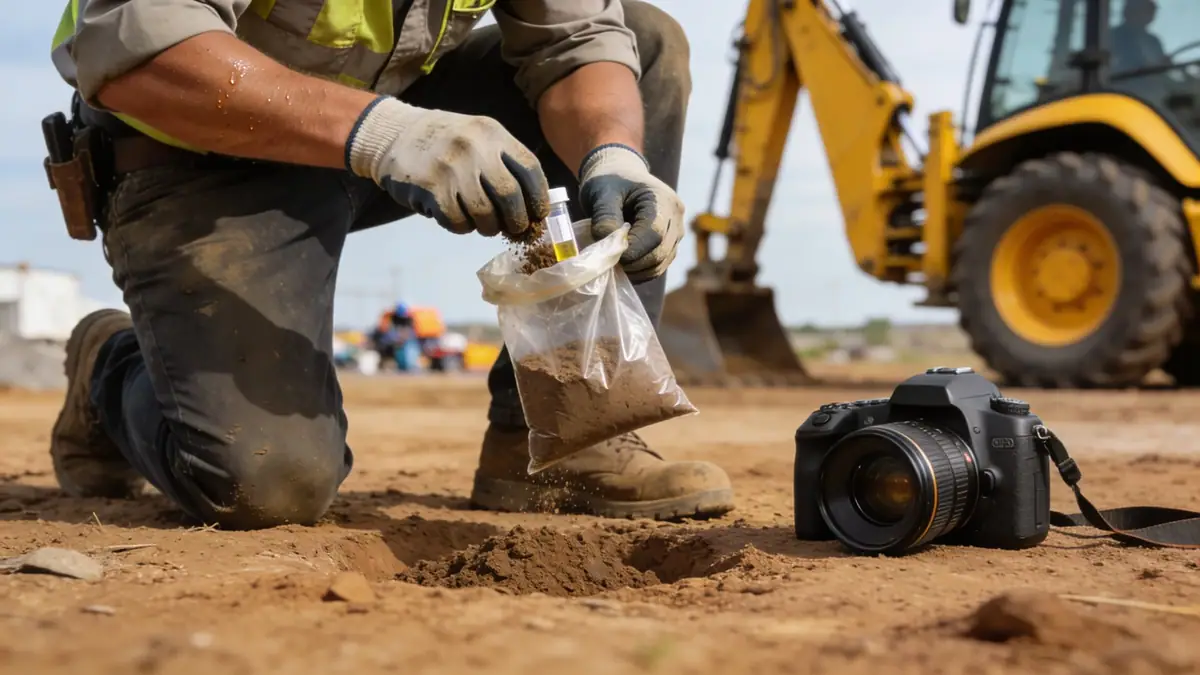
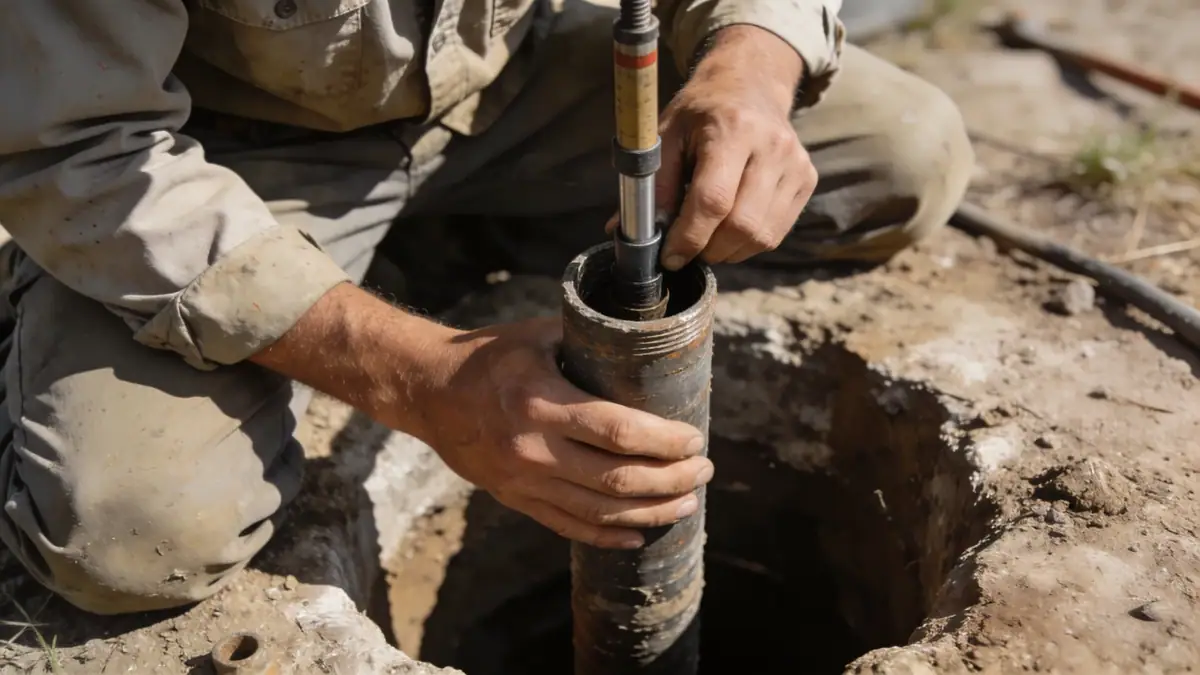
Our methodology for geotechnical engineering in Glendale Arizona begins with a comprehensive site reconnaissance and review of existing geological data. We conduct standardized spt boring at intervals of 1.0 to 1.5 meters per ASTM D1586, reaching depths of 8 to 15 meters for typical residential projects. Soil samples are classified in our laboratory using sieve analysis (ASTM D6913) and Atterberg limits (ASTM D4318) to determine plasticity and expansion potential. For seismic design, we evaluate peak ground acceleration per ASCE 7-16, incorporating site class factors derived from shear wave velocity measurements.
Reference Technical Parameters
| Parameter | Reference Value |
|---|---|
| Predominant soil type | Expansive clay (CH) and silty sand (SM) |
| Maximum seismic acceleration (PGA) | 0.20g to 0.25g per ASCE 7-16 |
| Typical groundwater level | >20 feet below ground surface |
| Bedrock depth | 100 to 200 feet (variable) |
| Typical N60 range (SPT) | 5 to 15 blows per foot in clay; 15 to 30 in sand |
Local Considerations — Glendale Arizona
Glendale's geology is dominated by alluvial deposits from the Salt River, with expansive clay prone to volume changes under moisture variation. The city lies within Seismic Design Category D, requiring site-specific response spectra per ASCE 7. Groundwater is generally deep (>20 ft), but irrigation and stormwater infiltration can create localized perched conditions. Older neighborhoods near downtown may have undocumented fill, while newer developments in the west often encounter caliche layers. Typical failures include slab heave in residential areas and differential settlement on poorly compacted fill. Our soil mechanics laboratory supports these assessments with tailored testing for shrink-swell potential and collapse susceptibility.
Request a Quote
Our team reviews your project and issues an initial report at no cost.
Or write us directly at [email protected]
Services in Glendale Arizona
Applicable Standards
- ASTM D1586 (Standard Penetration Test)
- ASCE 7-16 (Minimum Design Loads for Buildings)
- International Building Code (IBC) 2021
- City of Glendale Geotechnical Report Guidelines
Frequently Asked Questions
What soil types are most common in Glendale Arizona?
Glendale primarily features expansive clay (CH) and silty sand (SM) from alluvial deposits. These soils require careful evaluation for shrink-swell potential and collapse, which our geotechnical engineering in Glendale Arizona addresses through laboratory testing and site-specific recommendations.
Does Glendale require geotechnical studies for new construction?
Yes, the City of Glendale mandates geotechnical investigations for most building permits, especially in areas with expansive soils or high seismic risk. Our firm provides reports that comply with local codes, ensuring foundation designs meet safety and performance standards.
How does seismic risk affect geotechnical design in Glendale?
Glendale lies in Seismic Design Category D, with PGA values up to 0.25g. This requires site-specific response spectra and liquefaction assessment for saturated sands. Our analyses follow ASCE 7-16 to mitigate seismic hazards through appropriate foundation and ground improvement methods.