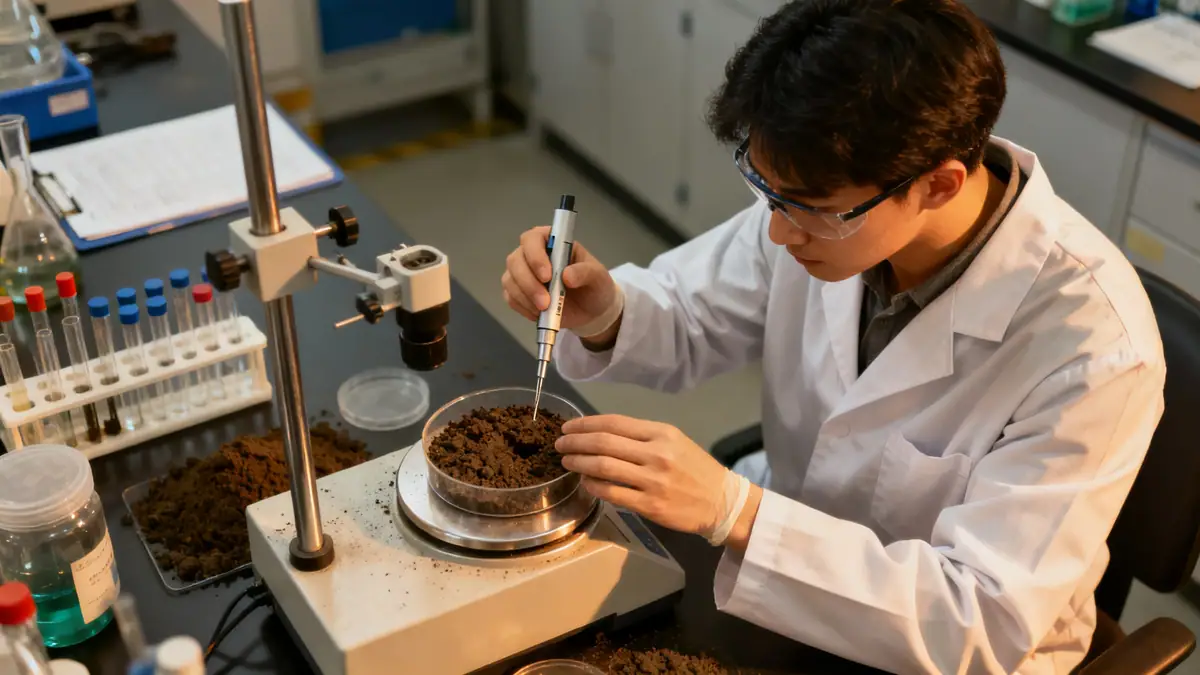
Methodology
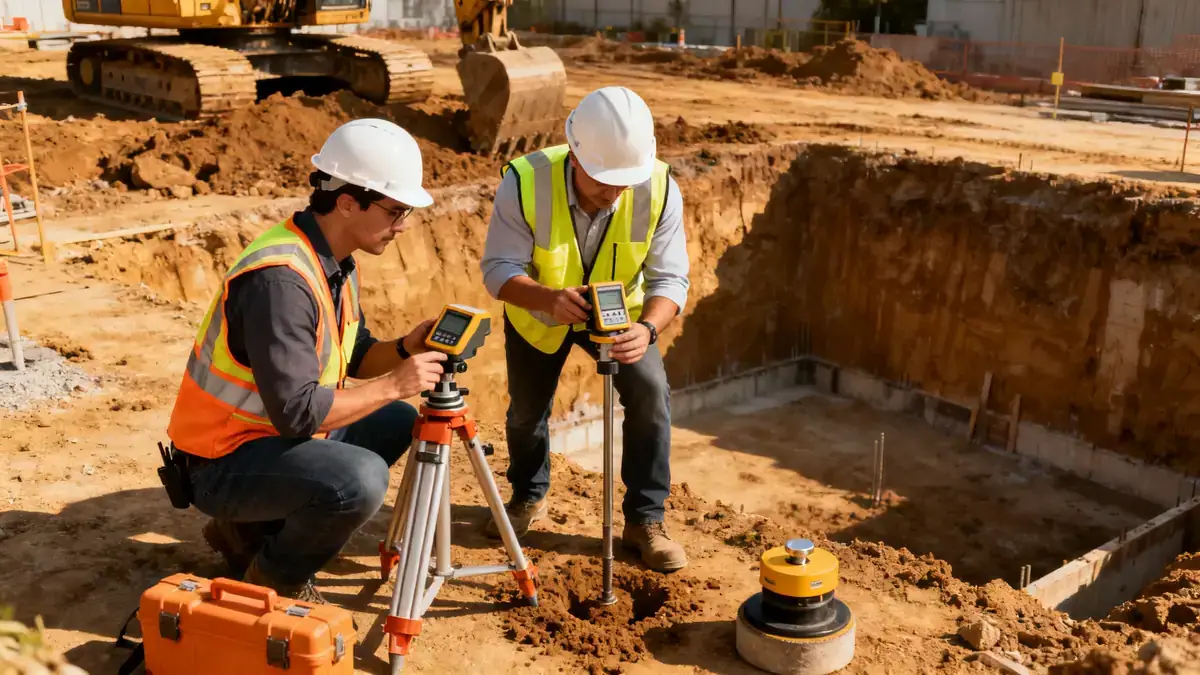
Our methodology in Scottsdale begins with a comprehensive desktop study of existing geologic maps and boring logs. Field investigations employ spt boring per ASTM D1586 at depths of 8–15 m for residential projects, with continuous sampling in granular soils. We integrate Cone Penetration Testing (CPT) for stratigraphic profiling and install standpipe piezometers to monitor groundwater fluctuations. Laboratory testing addresses soil expansivity (ASTM D4318), collapse potential (ASTM D5333), and shear strength (ASTM D3080). All data is synthesized into a geotechnical model that informs foundation recommendations, seismic site classification, and earthwork specifications.
Reference Technical Parameters
| Parameter | Reference Value |
|---|---|
| Predominant soil type | Silty sand (SM) with gravel and cobbles (alluvial fan deposits) |
| Maximum seismic acceleration (PGA) | 0.22–0.29 g (ASCE 7-22 Site Class C/D) |
| Typical groundwater level | >15 m below grade (arid environment, variable with irrigation) |
| Bedrock depth | 1–10 m (shallow in pediment areas, deeper in basin fill) |
| Typical N60 range | 10–30 blows/0.3 m (moderately dense to dense sands) |
Local Considerations — Scottsdale
Scottsdale's geology is dominated by Quaternary alluvial fan deposits from the McDowell Mountains and the Salt River. Soils are typically silty sands with gravel, exhibiting moderate to high density, but can contain lenses of collapsible or expansive clays in older fan terraces. Shallow bedrock (granite and metamorphic) is encountered in the northern and eastern portions near the McDowell Sonoran Preserve, while deeper basin fill occurs in southern areas. Seismic site classification ranges from C to D per ASCE 7-22, with peak ground accelerations up to 0.29 g. Groundwater is generally deep (>15 m), but irrigation and stormwater infiltration can create perched conditions. Our team also coordinates with soil mechanics laboratory testing to characterize expansive and collapsible soils, which are common in the area and can cause foundation distress if not addressed.
Request a Quote
Our team reviews your project and issues an initial report at no cost.
Or write us directly at [email protected]
Services in Scottsdale
Applicable Standards
- ASTM D1586 (Standard Penetration Test)
- ASCE 7-22 (Minimum Design Loads for Buildings)
- IBC 2024 (International Building Code)
- ASTM D4318 (Atterberg Limits)
- ASTM D5333 (Collapse Potential of Soils)
Frequently Asked Questions
What are the typical soil types found in Scottsdale?
Scottsdale's subsurface is primarily composed of silty sands and gravels from alluvial fan deposits. In northern areas near the McDowell Mountains, shallow bedrock (granite, schist) is common. Older fan terraces may contain lenses of expansive clay or collapsible silt, requiring specialized testing per ASTM D4318 and D5333.
Does Scottsdale have specific seismic design requirements?
Yes, Scottsdale lies in a moderate seismic zone per ASCE 7-22, with PGA values of 0.22–0.29 g. Site-specific response spectra may be required for Risk Category III and IV structures. Our team determines seismic site class (C or D) based on shear wave velocity (ASTM D7400) or SPT N-values.
Are geotechnical investigations mandatory for all construction in Scottsdale?
While not explicitly required for all single-family homes, the City of Scottsdale adopts the IBC 2024 which mandates geotechnical investigations for most commercial, industrial, and multi-family projects. For residential work, lenders and structural engineers often require a soils report to design foundations on expansive or collapsible soils.