Methodology
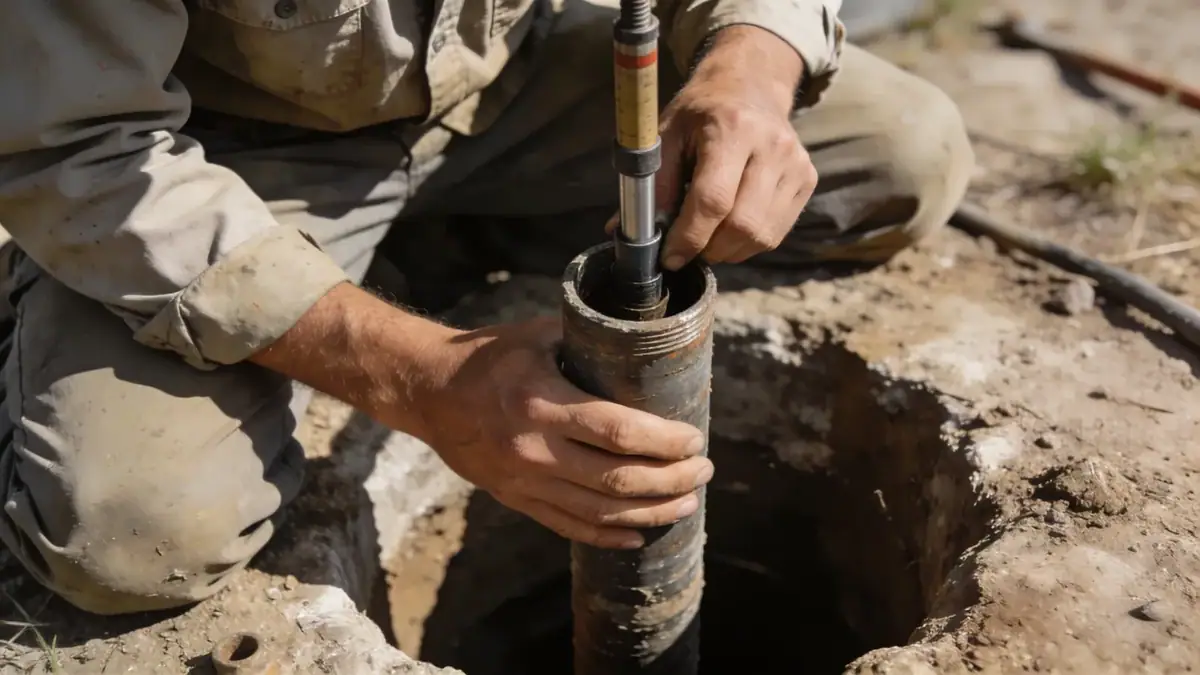
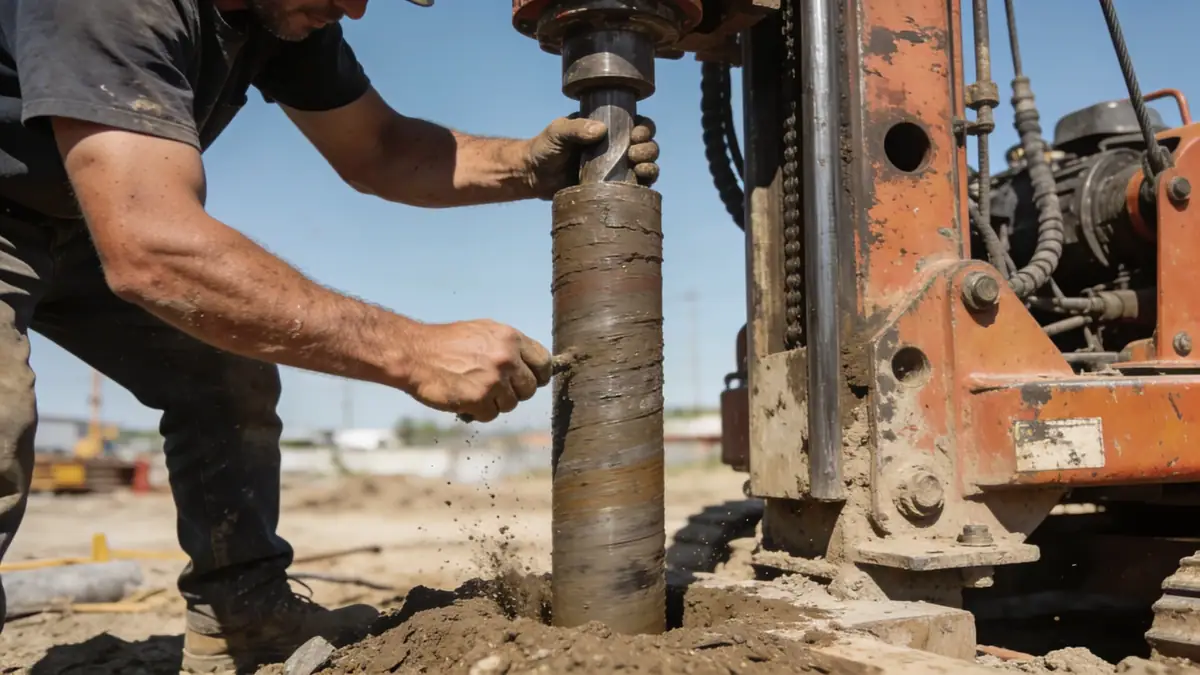
Our approach to geotechnical engineering in Tucson begins with a thorough review of regional geology and project requirements. We conduct field investigations using methods such as spt boring to obtain soil samples and measure penetration resistance. Laboratory testing follows ASTM standards to classify soils, assess strength, and evaluate compressibility. Data are analyzed to develop subsurface profiles and geotechnical parameters for foundation design. Our methodology ensures that each project receives site-specific recommendations aligned with local conditions and applicable codes, including ASCE 7 seismic provisions.
Reference Technical Parameters
| Parameter | Reference Value |
|---|---|
| Predominant soil type | Silty sands (SM) and clayey sands (SC) with gravel |
| Maximum seismic acceleration (PGA) | 0.2g to 0.3g (ASCE 7 Site Class D) |
| Typical groundwater level | >15 m depth, variable with season |
| Bedrock depth | 10 m to 30 m (Tucson Basin) |
| Typical N60 range (SPT) | 10 to 40 blows/ft for granular soils |
Local Considerations — Tucson
Tucson's geology is dominated by alluvial fans and basin-fill deposits from the Santa Catalina and Rincon Mountains. Soils are predominantly granular with variable fines content, leading to moderate to high bearing capacity but potential for collapse upon wetting. The region lies in Seismic Zone 2B (ASCE 7), with design accelerations up to 0.3g. Groundwater is generally deep, but localized perched aquifers occur near mountain fronts. Older neighborhoods may have undocumented fill, requiring careful investigation. Our firm coordinates with local jurisdictions to ensure compliance with Tucson's grading and foundation ordinances. For broader regional context, see our geotechnical engineering services in Phoenix. Additionally, we utilize soil mechanics laboratory testing to characterize expansive and collapsible soils common in the area.
Request a Quote
Our team reviews your project and issues an initial report at no cost.
Or write us directly at [email protected]
Services in Tucson
Applicable Standards
- ASTM D1586 (Standard Test Method for Standard Penetration Test)
- ASCE 7 (Minimum Design Loads for Buildings and Other Structures)
- IBC (International Building Code) with Arizona amendments
- ASTM D2487 (Classification of Soils for Engineering Purposes)
Frequently Asked Questions
What types of soil are commonly found in Tucson?
Tucson's soils are primarily sandy and silty alluvium, often with gravel layers. Fine-grained soils like silty clays occur in lower areas. Expansive clays are less common than in Phoenix but can be present. Collapsible soils are a concern in some alluvial fan deposits.
Is a geotechnical study required for residential construction in Tucson?
The City of Tucson and Pima County typically require a geotechnical report for new buildings, especially in areas with known soil issues or seismic hazards. The study must address bearing capacity, settlement, and seismic site class per IBC.
How does seismic activity affect foundation design in Tucson?
Tucson is in Seismic Design Category B to C per ASCE 7. Peak ground accelerations of 0.2–0.3g are considered. Soil liquefaction is rare due to deep groundwater, but site response analysis may be needed for critical structures. Foundations must comply with IBC detailing requirements.