Methodology
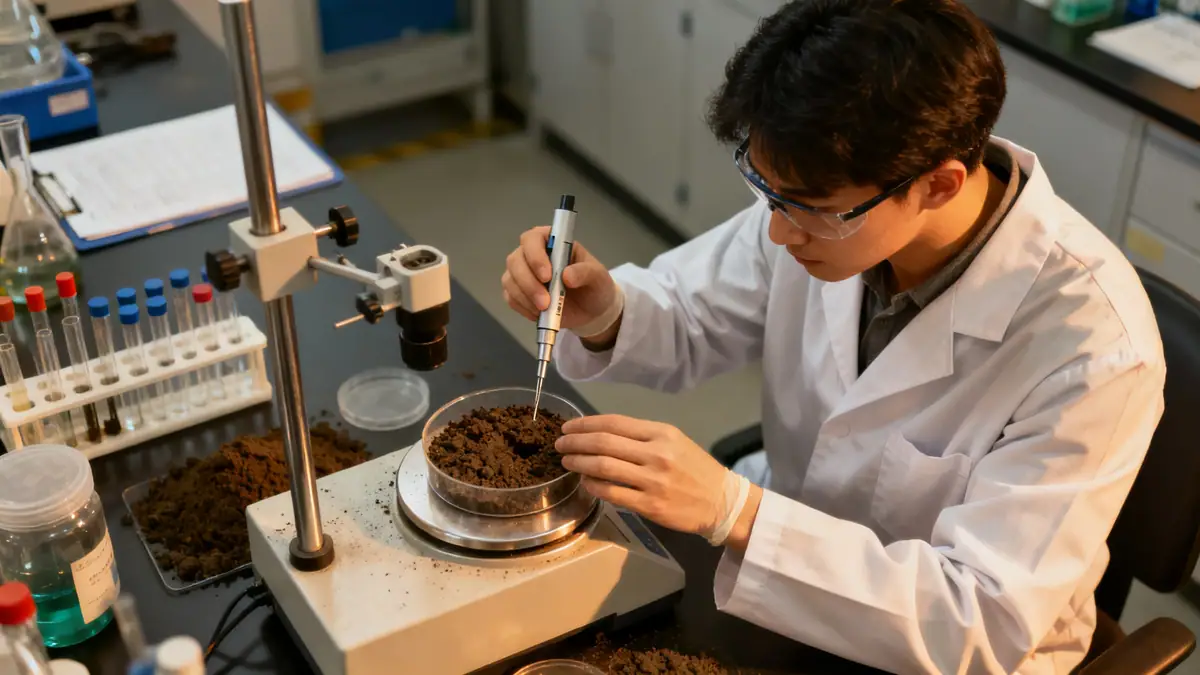
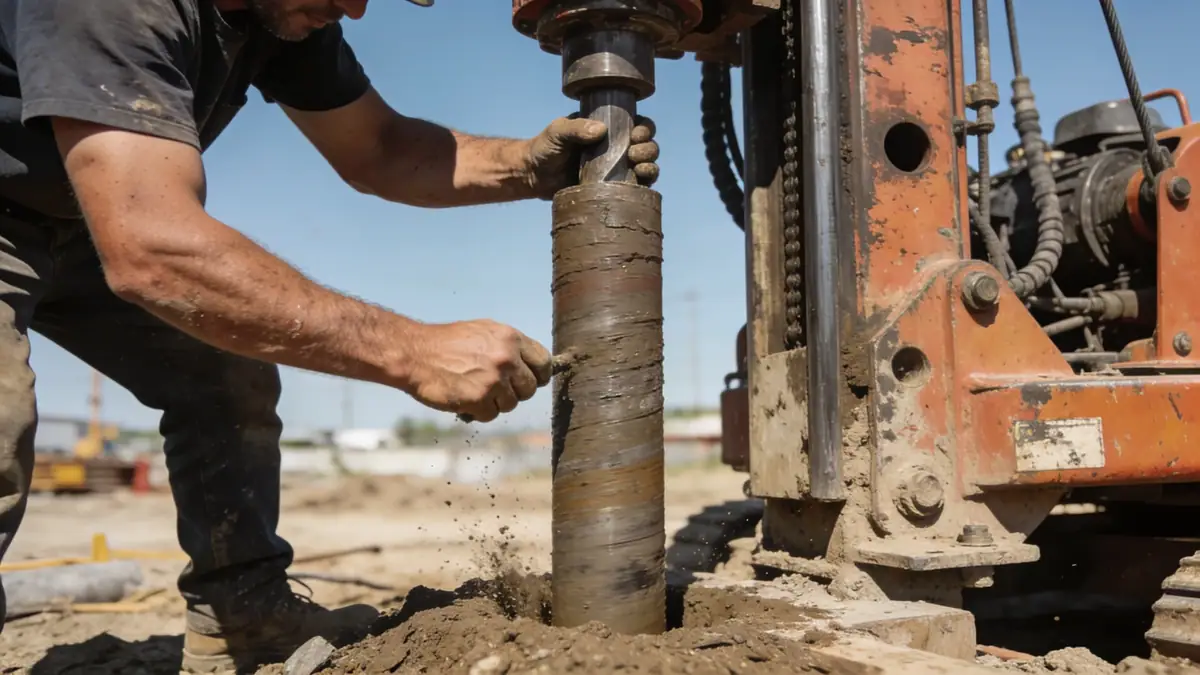
Our methodology for geotechnical engineering in Tempe Arizona begins with a thorough review of existing geological data and site history. We then execute a detailed subsurface exploration program, including spt boring to obtain soil samples and measure resistance. Laboratory testing on recovered samples follows ASTM standards to classify soils and determine engineering properties. Field and lab data are integrated into a geotechnical report that addresses bearing capacity, settlement, seismic site classification per ASCE 7, and groundwater management. This systematic approach ensures that our recommendations are defensible and suited to Tempe's unique conditions.
Reference Technical Parameters
| Parameter | Reference Value |
|---|---|
| Predominant soil type | Alluvial sands, silts, and gravels with occasional clay layers |
| Maximum seismic acceleration (PGA) | 0.25–0.35 g (per ASCE 7, Site Class D) |
| Typical groundwater level | 10–30 ft below ground surface, varies seasonally |
| Bedrock depth | Typically >100 ft, variable |
| Typical N60 range (SPT) | 5–30 blows/ft for alluvial soils |
Local Considerations — Tempe Arizona
Tempe's subsurface is dominated by Quaternary alluvium from the Salt River, with interbedded sands, silts, and gravels. Groundwater depths can fluctuate significantly due to irrigation and river flow. Seismic hazard is moderate, with a PGA of about 0.30 g for a 2% in 50-year event per ASCE 7. Older neighborhoods near downtown may have undocumented fills, requiring careful investigation. Expansive clays are less common than in other parts of the Valley, but localized lenses exist. Our team coordinates closely with the soil mechanics laboratory to characterize these materials accurately. For region-wide context, see geotechnical engineering en Phoenix.
Request a Quote
Our team reviews your project and issues an initial report at no cost.
Or write us directly at [email protected]
Services in Tempe Arizona
Applicable Standards
- ASTM D1586 (Standard Test Method for SPT)
- ASCE 7 (Minimum Design Loads and Associated Criteria for Buildings)
- IBC (International Building Code) – current edition adopted by Tempe
- ASTM D2487 (Classification of Soils for Engineering Purposes)
Frequently Asked Questions
What are the typical soil conditions for geotechnical engineering in Tempe Arizona?
Soils in Tempe consist mainly of alluvial sands, silts, and gravels deposited by the Salt River. These materials generally have good bearing capacity, though loose sands and variable groundwater can pose challenges. Localized clay layers may exhibit moderate shrink-swell potential.
How do seismic codes affect geotechnical engineering in Tempe Arizona?
Tempe is in a moderate seismic zone per ASCE 7. Site-specific seismic analysis is required for certain structures, including determination of Site Class and design response spectrum. Our firm evaluates liquefaction potential and seismic settlement for projects in accordance with IBC and ASCE 7.
Are geotechnical studies mandatory for construction in Tempe Arizona?
While not always legally required for all projects, most lending institutions and building officials recommend or require a geotechnical report for new construction. It is essential for foundation design, slab-on-grade performance, and compliance with the IBC. Our reports satisfy local permitting requirements.