Methodology
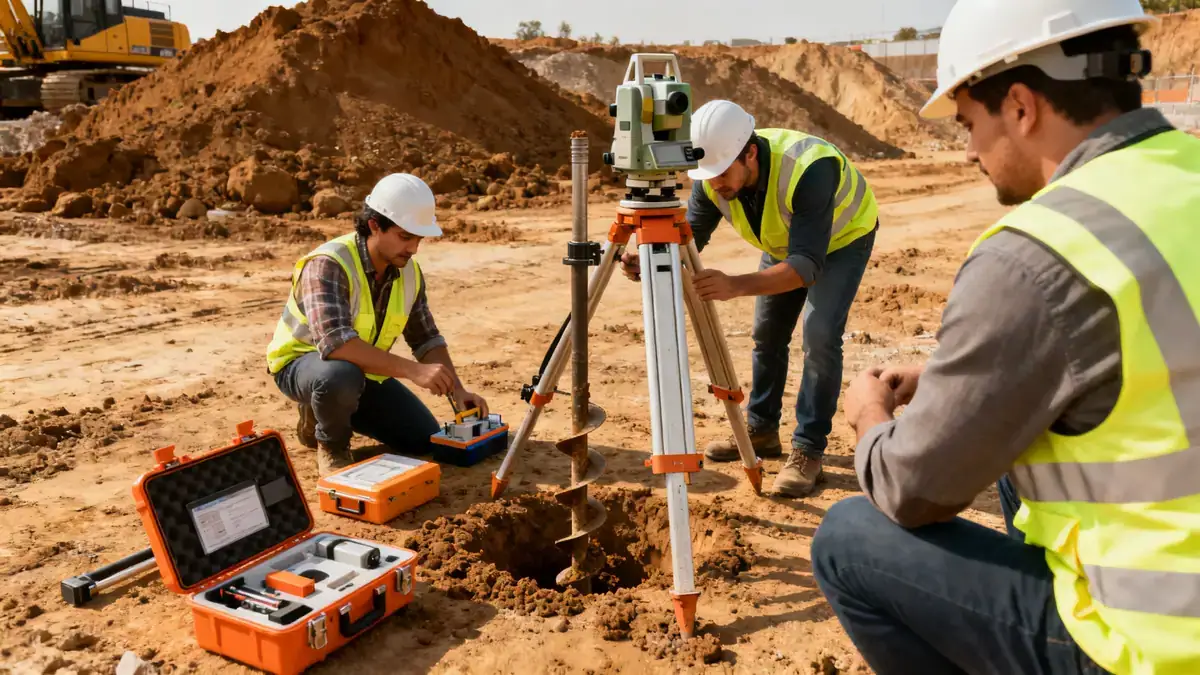
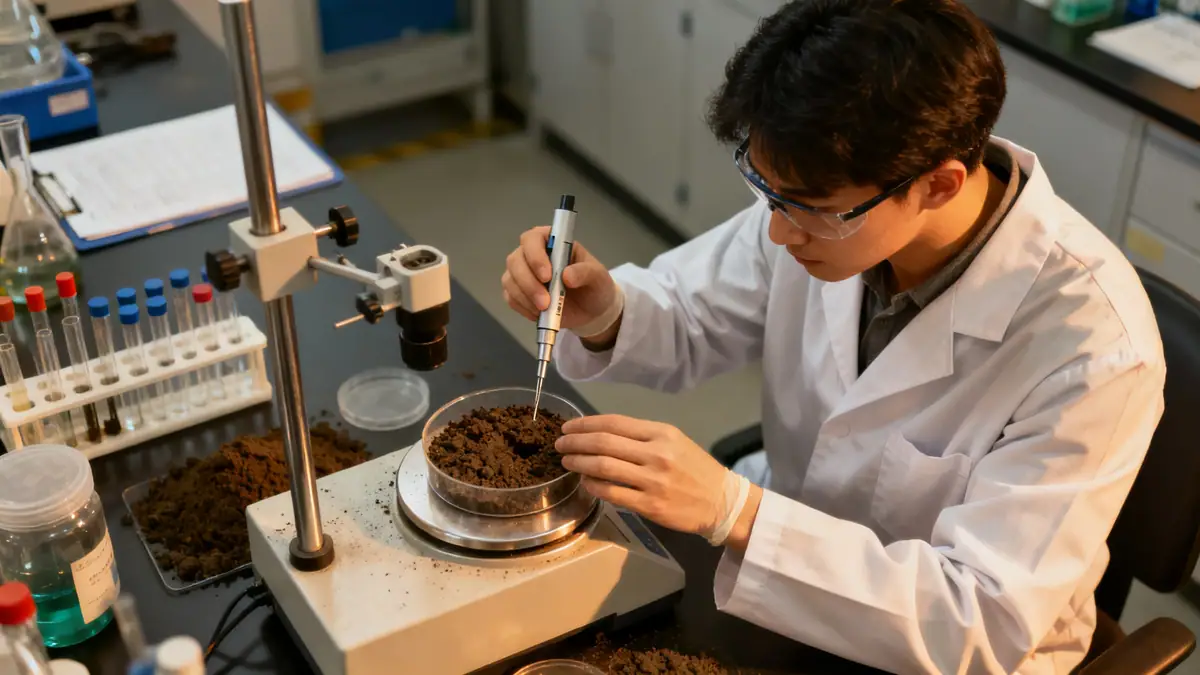
Our approach to geotechnical engineering in Sioux Falls begins with a comprehensive site characterization program. We utilize spt boring to obtain disturbed and undisturbed soil samples at regular intervals, typically every 1.5 meters per ASTM D1586. In cohesive soils, we supplement with thin-walled tube sampling for laboratory testing. All field data are correlated with local geology and historical records to develop a robust subsurface model. This model informs foundation design parameters, including bearing capacity and settlement estimates, ensuring compliance with applicable building codes.
Reference Technical Parameters
| Parameter | Reference Value |
|---|---|
| Predominant soil type | Glacial till (silty clay with sand and gravel) |
| Maximum seismic acceleration (PGA) | 0.10 g (ASCE 7-16, Site Class D) |
| Typical groundwater level | 3–8 m below grade (seasonal variation) |
| Bedrock depth | 15–30 m (Sioux Quartzite) |
| Typical N60 range (SPT) | 10–30 blows/0.3 m (glacial till) |
Local Considerations — Sioux Falls
Sioux Falls lies within the Sioux Quartzite ridge, a Precambrian formation that influences shallow bedrock depth in some areas. The predominant glacial till exhibits variable consistency and may contain cobbles, complicating excavation. Seasonal groundwater fluctuations require careful consideration for below-grade structures. The city enforces the 2018 International Building Code with local amendments, referencing ASCE 7 for seismic loads (PGA ~0.10 g). Our firm’s experience in Sioux Falls includes projects ranging from residential subdivisions to commercial towers, where we have addressed challenges such as expansive soils near the river and bedrock rippability assessments. For broader regional context, see our geotechnical engineering in Denver overview.
Request a Quote
Our team reviews your project and issues an initial report at no cost.
Or write us directly at [email protected]
Services in Sioux Falls
Applicable Standards
- ASTM D1586 (Standard Penetration Test)
- ASCE 7-16 (Minimum Design Loads for Buildings)
- 2018 International Building Code (IBC)
- South Dakota State Plumbing Code
Frequently Asked Questions
What are the typical soil conditions in Sioux Falls?
Soils are predominantly glacial till consisting of silty clay with sand and gravel. Locally, Sioux Quartzite bedrock may be encountered at depths of 15–30 m. Groundwater levels vary seasonally, typically between 3 and 8 m below grade.
Is seismic design required for structures in Sioux Falls?
Yes. Per ASCE 7-16, Sioux Falls falls under Seismic Design Category B with a peak ground acceleration (PGA) of 0.10 g. Seismic provisions apply to most structures, and a site-specific response analysis may be required for critical facilities.
Are geotechnical investigations mandatory for construction in Sioux Falls?
The 2018 IBC requires a geotechnical investigation for most new buildings and additions. Local amendments may exempt minor structures, but a site evaluation is strongly recommended to address variable soil conditions and frost depth (typically 1.2 m).