Methodology
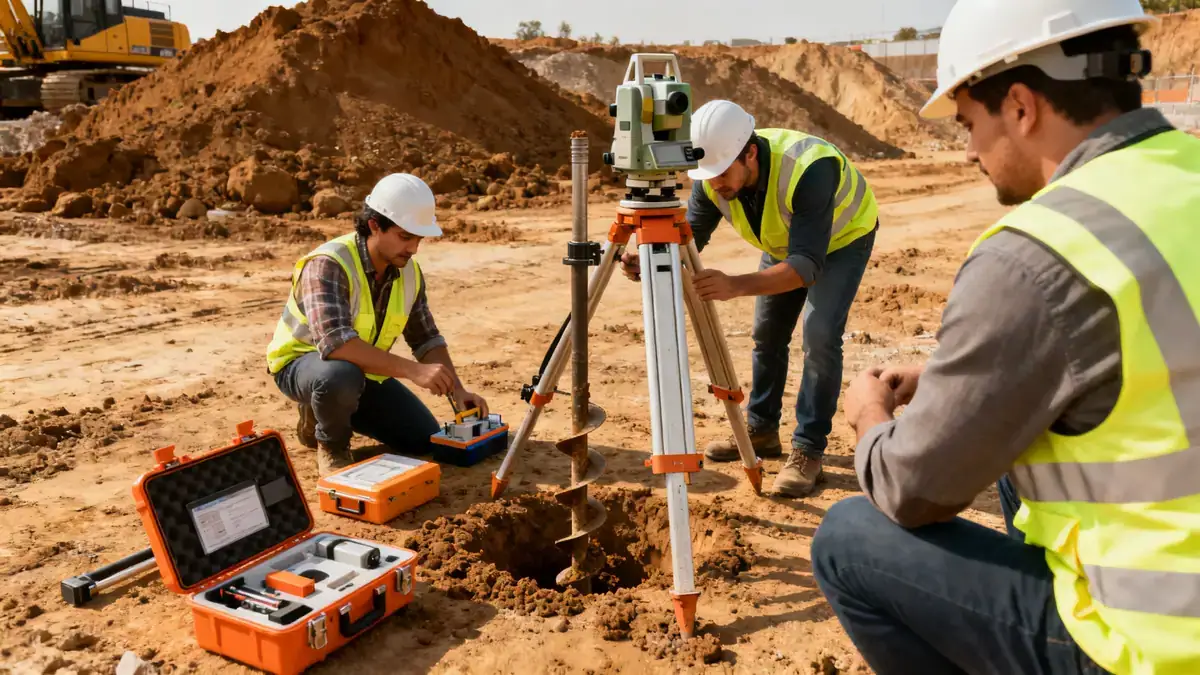
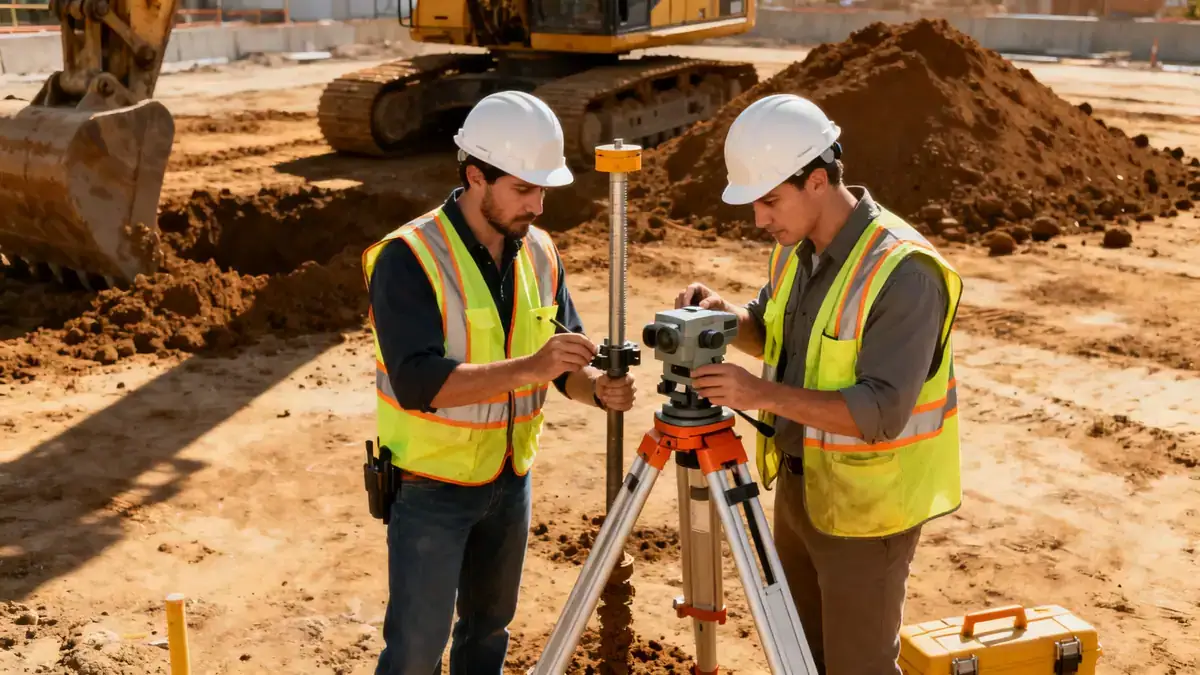
Our methodology for geotechnical engineering in West Valley City begins with a comprehensive desk study of existing geological maps, seismic hazard data, and previous site investigations. We then conduct field exploration programs, including spt boring to obtain soil samples and perform standard penetration tests (SPT) in accordance with ASTM D1586. Soil samples are transported to our laboratory for classification, strength, and consolidation testing. We analyze groundwater conditions using piezometers and observation wells. All data are integrated into a geotechnical model that accounts for liquefaction potential, bearing capacity, and settlement. Our reports provide clear recommendations for foundation type, depth, and seismic design parameters, ensuring compliance with local building codes.
Reference Technical Parameters
| Parameter | Reference Value |
|---|---|
| Predominant soil type | Silty clay and sandy gravel (alluvium/lacustrine) |
| Maximum seismic acceleration (PGA) | 0.4 g (ASCE 7-16, Site Class D) |
| Typical groundwater level | 5–15 ft below ground surface |
| Bedrock depth | 200–500 ft (sedimentary bedrock) |
| Typical N60 range (SPT) | 5–30 blows/ft (variable) |
Local Considerations — West Valley City
West Valley City sits on the ancient Lake Bonneville plain, underlain by deep alluvial and lacustrine deposits. These soils—primarily silty clays and sandy gravels—exhibit variable compaction and high moisture content near the water table, which typically lies 5–15 ft deep. Seismic hazard is significant due to the Wasatch Fault zone; peak ground accelerations can reach 0.4 g, requiring liquefaction assessment for many sites. Eastern areas near the Oquirrh Mountains may encounter steeper slopes and colluvial soils, while western sectors feature softer lacustrine clays prone to settlement. Our team frequently addresses foundation challenges on expansive clays and loose sands, providing solutions such as deep foundations or ground improvement. For regional context, see our geotechnical engineering in Denver page. Additionally, we offer specialized soil mechanics laboratory services to characterize these complex soils.
Request a Quote
Our team reviews your project and issues an initial report at no cost.
Or write us directly at [email protected]
Services in West Valley City
Applicable Standards
- ASTM D1586 (Standard Penetration Test)
- ASCE 7-16 (Minimum Design Loads for Buildings and Other Structures)
- IBC 2021 (International Building Code)
- UBC 1997 (Utah amendments)
Frequently Asked Questions
What soil types are commonly found in West Valley City?
The area is dominated by alluvial and lacustrine deposits from ancient Lake Bonneville, including silty clays, sandy gravels, and occasional lenses of loose sand. These soils can be compressible and prone to liquefaction during seismic events. Detailed site investigation is essential to characterize their engineering properties.
How does seismic activity affect geotechnical design in West Valley City?
West Valley City lies near the Wasatch Fault, a major seismic source. ASCE 7-16 assigns a peak ground acceleration of 0.4 g for the region, requiring evaluation of liquefaction, lateral spreading, and settlement. Foundation designs often incorporate ground improvement or deep foundations to mitigate seismic risks.
Are geotechnical studies mandatory for construction in West Valley City?
Yes, the Utah Division of Occupational and Professional Licensing and local building codes require a geotechnical investigation for most new construction, especially for commercial and multi-family projects. The study must address soil bearing capacity, settlement, seismic hazards, and groundwater conditions to ensure structural safety.