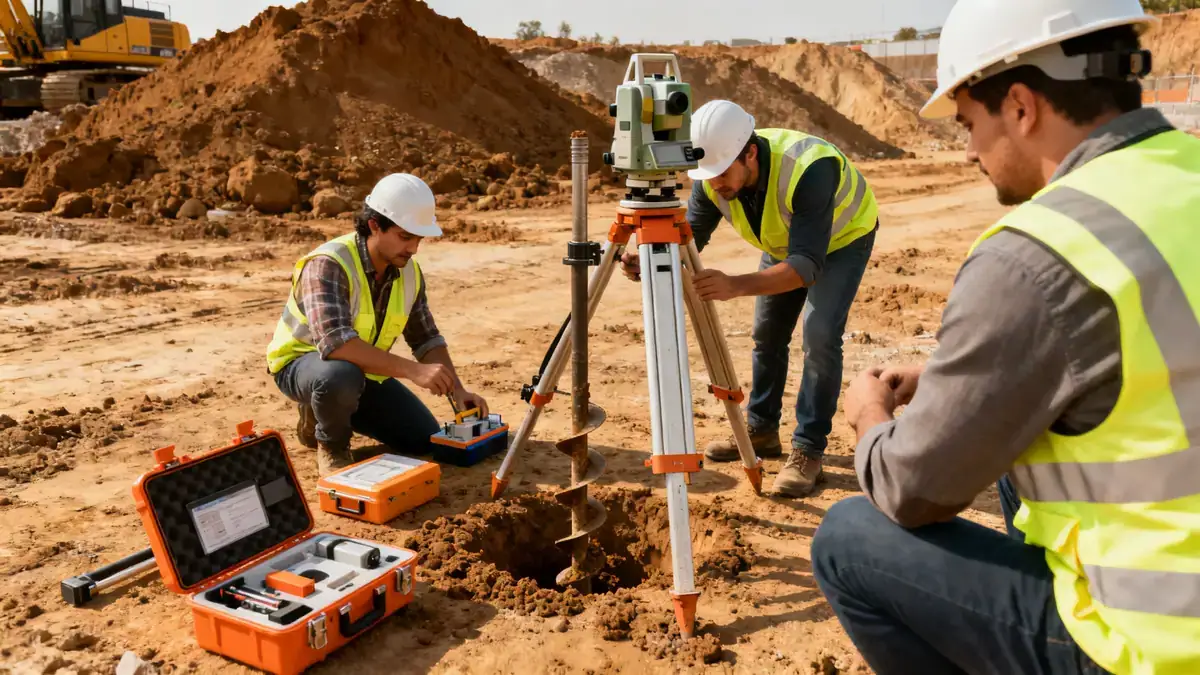
Methodology
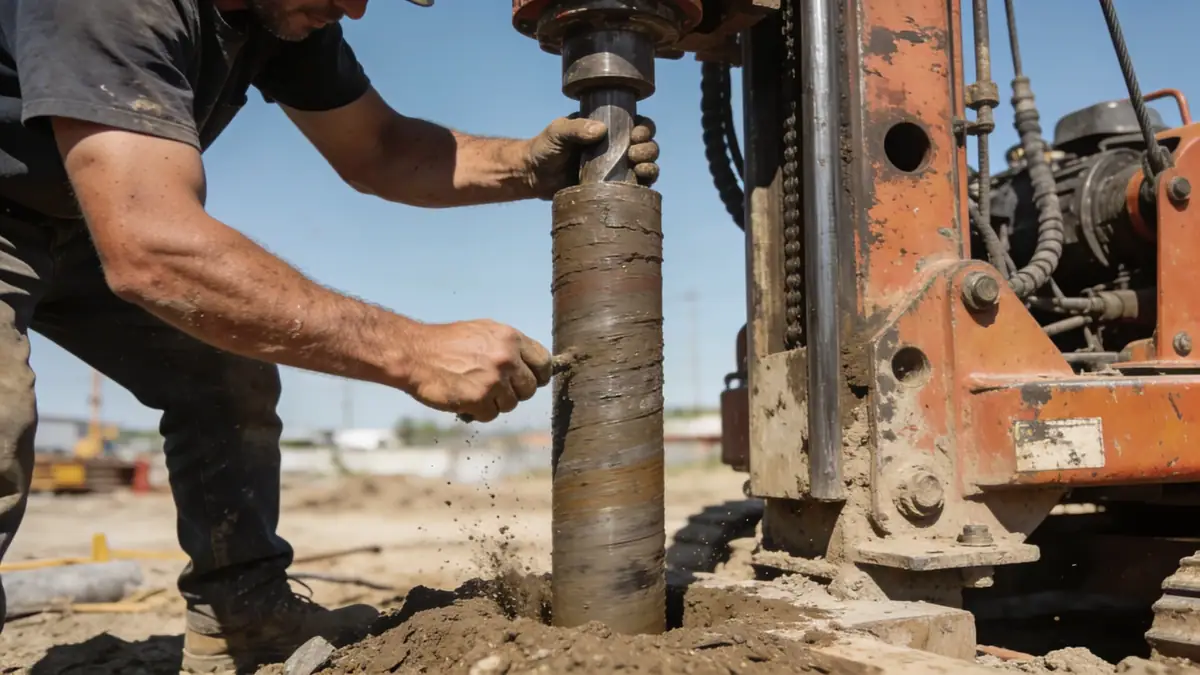
Our methodology for geotechnical engineering in Wichita integrates field exploration and laboratory testing to characterize subsurface conditions. We perform spt boring at 1.5 m intervals per ASTM D1586, with depths ranging from 8 to 15 m for typical residential sites and up to 30 m for industrial structures. Continuous soil sampling and groundwater monitoring are conducted to assess variability. In the laboratory, we determine index properties, strength parameters, and consolidation characteristics. All data are analyzed against local building codes and ASCE 7 seismic criteria to develop foundation recommendations tailored to Wichita’s soil and rock profiles.
Reference Technical Parameters
| Parameter | Reference Value |
|---|---|
| Predominant soil type | Alluvial silty clay and sand over weathered shale |
| Maximum seismic acceleration (PGA) | 0.12g (ASCE 7, Site Class D) |
| Typical groundwater level | 2–5 m below ground surface |
| Bedrock depth | 8–30 m (shale bedrock) |
| Typical N60 range | 6–30 (SPT, ASTM D1586) |
Local Considerations — Wichita
Wichita’s subsurface is shaped by the Arkansas River alluvial plain, with silty clays and sands overlying Permian shale. Near the river, groundwater can be shallow (2 m), requiring dewatering for excavations. In contrast, upland areas present stiff clays with deeper water tables. Seismic design per ASCE 7 is moderate (PGA 0.12g, Site Class D). Expansive soils are common in eastern Wichita, necessitating moisture control. Our experience includes foundation solutions for structures ranging from single-family homes to industrial facilities. For a broader perspective on regional expertise, see geotechnical engineering in Denver. We also leverage soil mechanics laboratory testing to refine soil parameters.
Request a Quote
Our team reviews your project and issues an initial report at no cost.
Or write us directly at [email protected]
Services in Wichita
Applicable Standards
- ASTM D1586
- ASCE 7
- International Building Code (IBC)
- Kansas City Building Code (local amendments)
Frequently Asked Questions
What are the typical soil types encountered in Wichita?
Wichita soils are primarily alluvial silty clays and sands from the Arkansas River, underlain by weathered shale. Clay plasticity varies, with some areas exhibiting moderate shrink-swell potential. Ground conditions can change rapidly across short distances.
Is seismic design required for projects in Wichita?
Yes, per ASCE 7, Wichita falls in Seismic Design Category B with a PGA of 0.12g. While not high-risk, seismic considerations are mandatory for most structures, particularly those with irregular configurations or on soft soils.
Are geotechnical investigations mandatory for construction in Wichita?
The IBC and local codes require a geotechnical report for most commercial and multi-family residential projects. Single-family homes may be exempt, but a site evaluation is strongly recommended due to variable soil and groundwater conditions.