Methodology
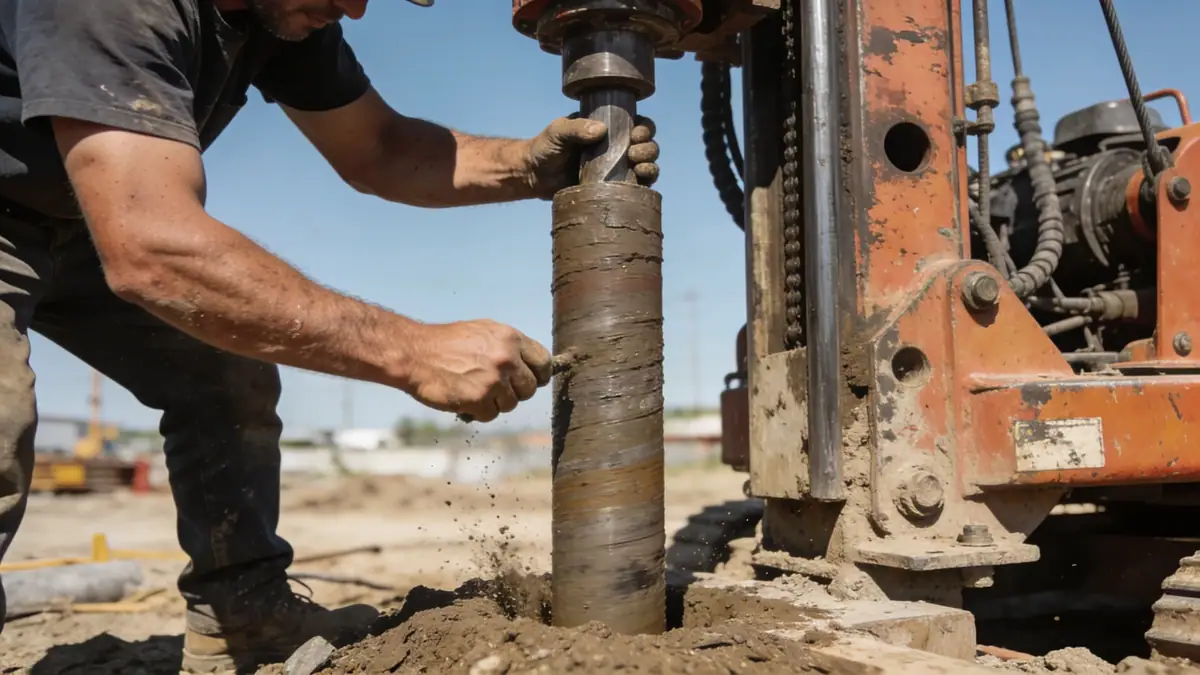
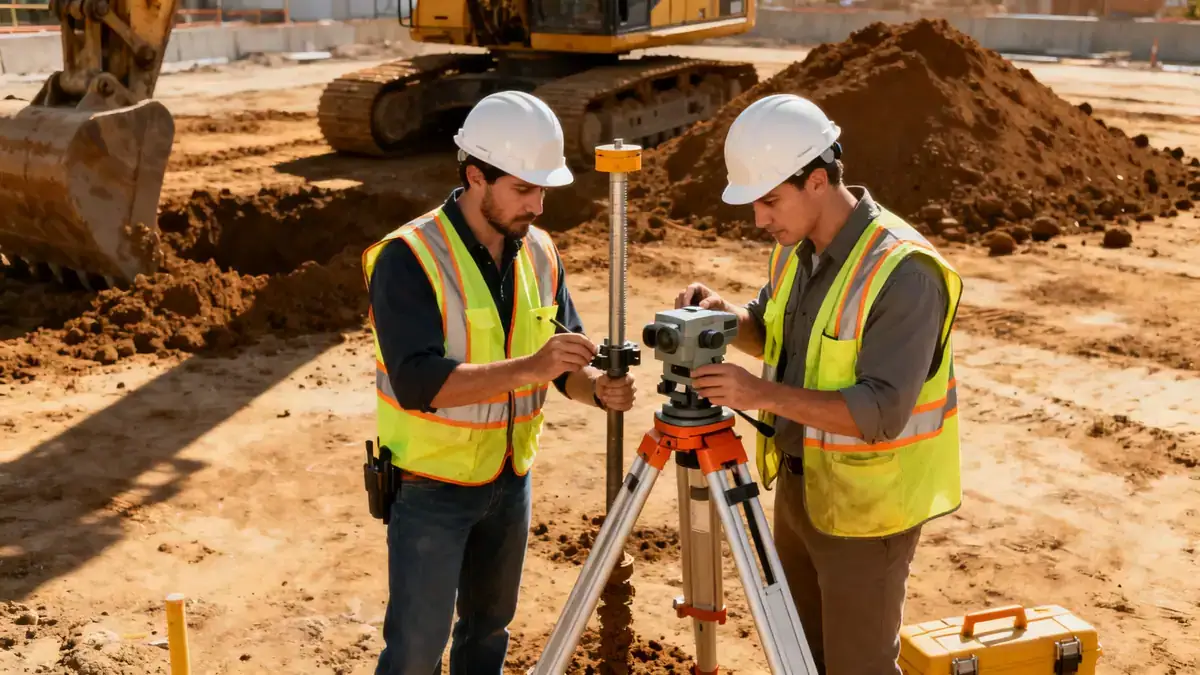
Our methodology for geotechnical engineering in Salt Lake City begins with a thorough review of existing geologic maps and seismic hazard data. We then conduct field investigations, including spt boring, to characterize subsurface stratigraphy and obtain soil samples for laboratory testing. In situ tests, such as cone penetration testing (CPT), are employed where applicable. Laboratory analyses follow ASTM standards to determine index properties, strength, and consolidation characteristics. This data informs site-specific recommendations for foundation design, slope stability, and earthwork, ensuring compliance with local building codes.
Reference Technical Parameters
| Parameter | Reference Value |
|---|---|
| Predominant soil type | Silty clay and sandy gravel with cobbles |
| Maximum seismic acceleration (PGA) | 0.4g (ASCE 7-16, Site Class D) |
| Typical groundwater level | 10–30 ft depth (variable with season) |
| Bedrock depth | 50–200 ft (sedimentary rock) |
| Typical N60 range | 5–30 blows/ft (silty clay to dense gravel) |
Local Considerations — Salt Lake City
Salt Lake City's geotechnical challenges stem from its position within the Basin and Range province. The valley fill consists of deep alluvial and lacustrine deposits (Lake Bonneville), with high plasticity clays and loose sands subject to liquefaction under seismic loading. The Wasatch Fault zone imposes significant seismic demands (PGA up to 0.4g per ASCE 7). Urban development often occurs on sloping terrain, requiring specialized slope stability assessments. Groundwater levels fluctuate with irrigation and snowmelt, impacting excavations and foundation design. Our team integrates these factors into robust geotechnical solutions. For regional context, see our geotechnical engineering en Denver page.
Request a Quote
Our team reviews your project and issues an initial report at no cost.
Or write us directly at [email protected]
Services in Salt Lake City
Applicable Standards
- ASTM D1586 (Standard Test Method for Standard Penetration Test (SPT))
- ASCE 7-16 (Minimum Design Loads and Associated Criteria for Buildings and Other Structures)
- IBC 2021 (International Building Code)
- Utah Seismic Safety Commission Guidelines
Frequently Asked Questions
What are the typical soil conditions in Salt Lake City?
Soils are predominantly alluvial and lacustrine deposits: silty clays, sandy gravels, and cobbles. These materials often exhibit high plasticity and variable density, requiring careful characterization for foundation design.
How does seismic activity affect geotechnical engineering in Salt Lake City?
The Wasatch Fault zone subjects the region to high seismic hazard (PGA up to 0.4g). Geotechnical investigations must assess liquefaction potential, site class, and seismic settlement to comply with ASCE 7 and IBC requirements.
Are geotechnical studies mandatory for new construction in Salt Lake City?
Yes, local building codes typically require a geotechnical report for new structures, especially in areas with known soil or seismic hazards. The report must address foundation design, lateral earth pressures, and site preparation.