Methodology
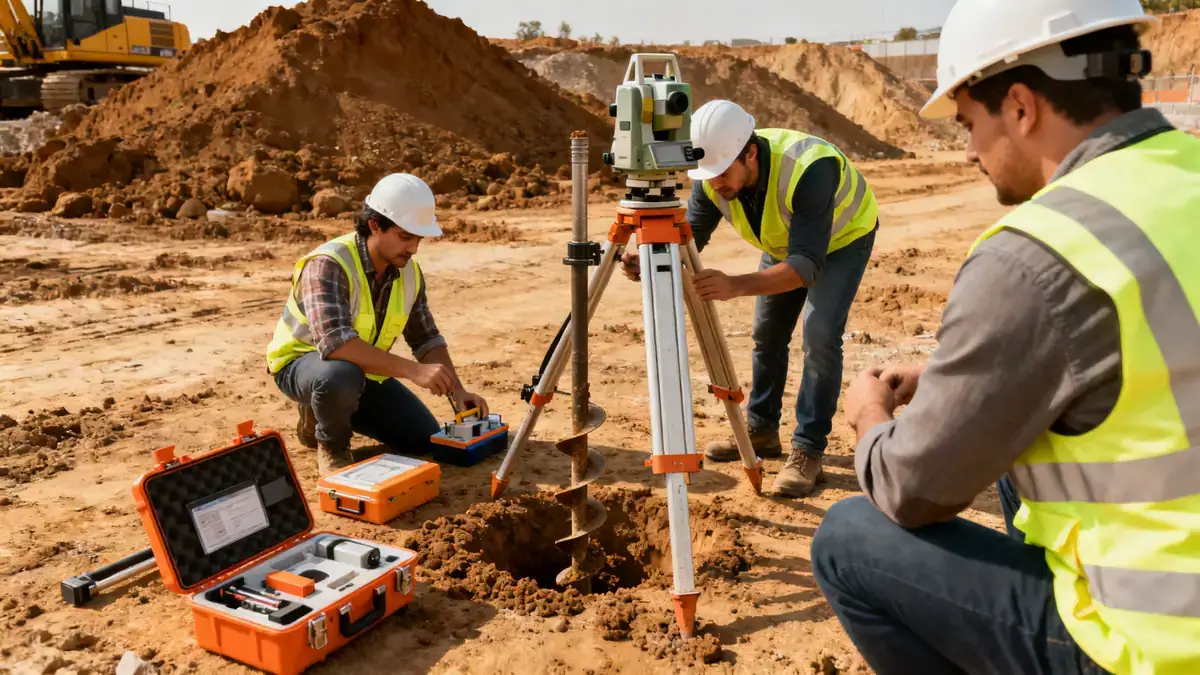
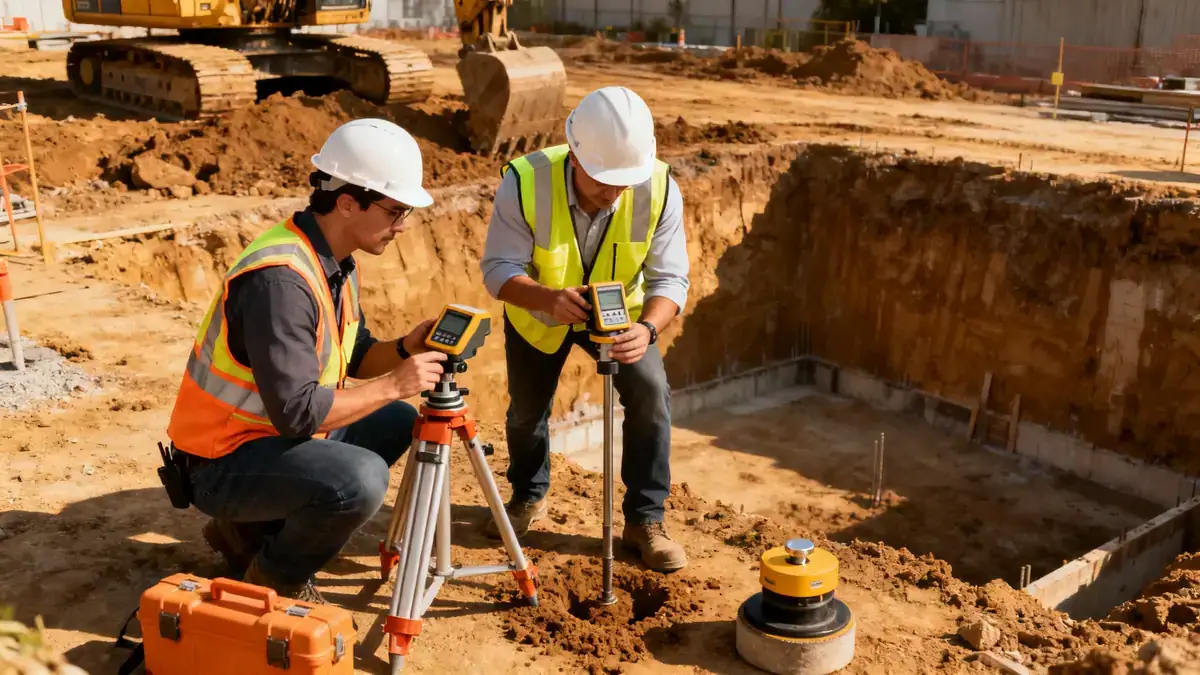
Our methodology for geotechnical engineering in Laramie begins with a comprehensive review of existing geologic maps and previous site data. We then perform subsurface investigations, including spt boring to obtain soil samples and measure penetration resistance, and test pits where access allows. Laboratory testing follows ASTM standards, such as ASTM D1586 for SPT and ASTM D2487 for soil classification. For seismic evaluations, we reference ASCE 7-22 to determine site class and response spectra. Our approach integrates field data with local knowledge to develop site-specific recommendations for foundations, earthworks, and slope stability, ensuring compliance with Wyoming regulations and project requirements.
Reference Technical Parameters
| Parameter | Reference Value |
|---|---|
| Predominant soil type | Clayey silt and sandy gravel (Quaternary alluvium) |
| Maximum seismic acceleration (PGA) | 0.18g (ASCE 7-22, Site Class D) |
| Typical groundwater level | 3–6 m below ground surface |
| Bedrock depth | 10–25 m (sandstone/shale) |
| Typical N60 range | 8–30 blows/300 mm |
Local Considerations — Laramie
Laramie's geology is dominated by Quaternary alluvial deposits overlying Cretaceous bedrock, with shallow bedrock in the western hills. Expansive clays are common in the downtown basin, requiring careful moisture control and foundation design. The city falls in Seismic Design Category D per ASCE 7-22, with a PGA of 0.18g. Frost depth reaches 1.2 m, necessitating deep footings. For projects near the Laramie River, groundwater can be encountered at 2–3 m. Our team has extensive experience with these conditions, having completed numerous studies for local developments. For regional context, our geotechnical engineering in Denver hub provides additional insights on Rocky Mountain geology.
Request a Quote
Our team reviews your project and issues an initial report at no cost.
Or write us directly at [email protected]
Services in Laramie
Applicable Standards
- ASTM D1586 (Standard Penetration Test)
- ASCE 7-22 (Minimum Design Loads and Associated Criteria for Buildings)
- Wyoming Department of Transportation Standard Specifications
- IBC 2021 (International Building Code)
Frequently Asked Questions
What are the typical soil conditions in Laramie?
Laramie soils consist primarily of Quaternary alluvial deposits, including clayey silts and sandy gravels. Expansive clays are present in the downtown area, while shallow bedrock (sandstone/shale) occurs near the Laramie Range. Groundwater levels vary from 3 to 6 m depth.
What seismic design parameters apply in Laramie?
Laramie is classified as Seismic Design Category D per ASCE 7-22, with a maximum considered earthquake (MCE) spectral response acceleration (S_S) of approximately 0.5g and a peak ground acceleration (PGA) of 0.18g. Site-specific response spectra are required for critical structures.
Are geotechnical studies mandatory for construction in Laramie?
Yes, the City of Laramie and Albany County require geotechnical investigations for most building permits, especially for commercial and multi-family projects. The studies must address soil bearing capacity, settlement, expansive soils, frost depth, and seismic site class per the IBC.