Methodology
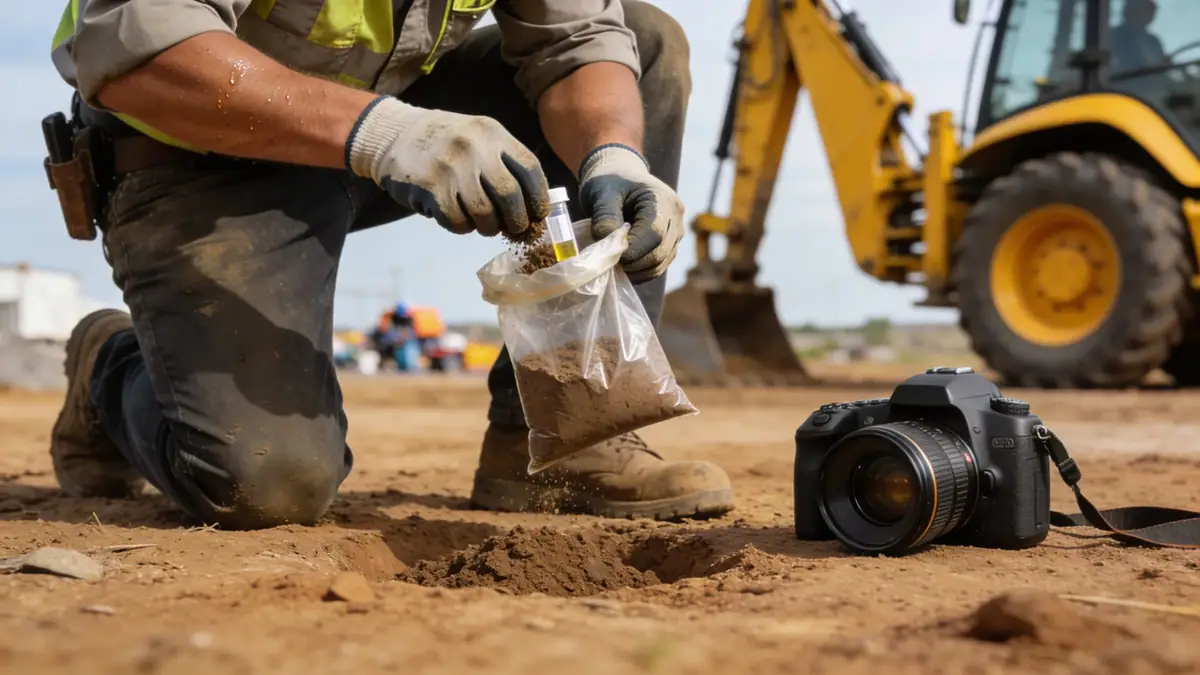
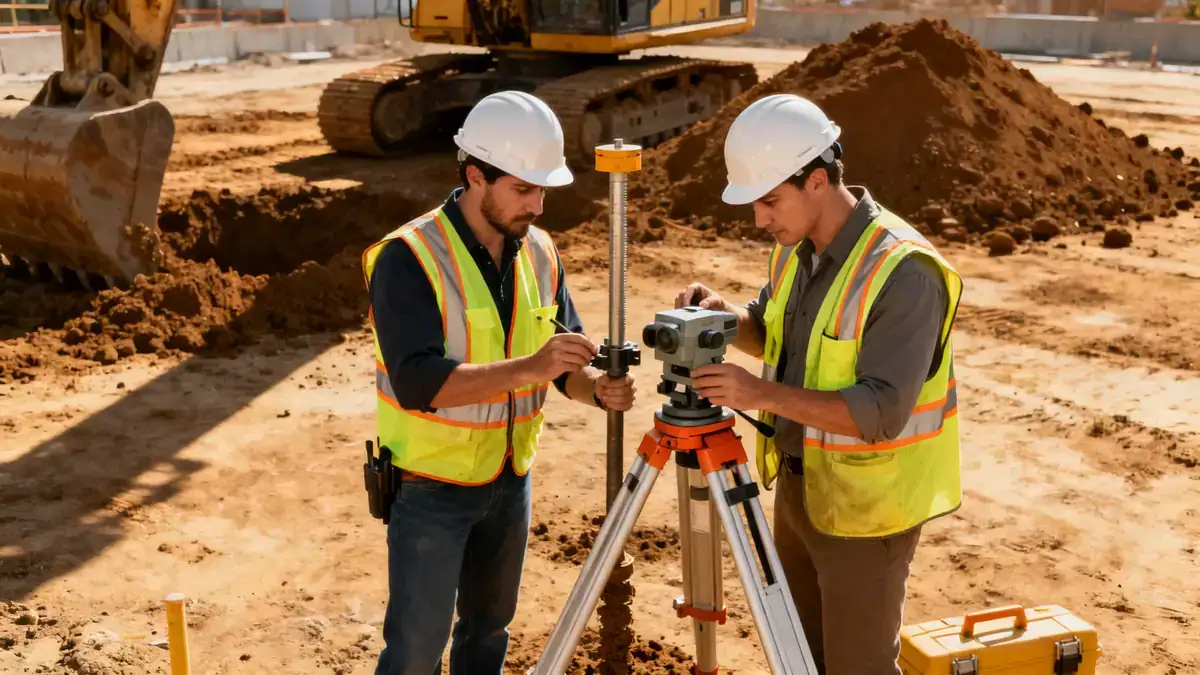
Our approach in Lubbock integrates standard penetration testing (SPT) per ASTM D1586, with borings typically advanced to depths of 10–20 meters, depending on project loads. We conduct continuous sampling to identify soil stratification, including caliche cemented layers and expansive clays. Laboratory testing, including Atterberg limits and unconfined compression, is performed on representative samples. For projects requiring detailed strength parameters, we utilize spt boring techniques to obtain N60 values, which are correlated with bearing capacity and settlement estimates. All fieldwork follows established safety and quality protocols to ensure reliable data for design.
Reference Technical Parameters
| Parameter | Reference Value |
|---|---|
| Predominant soil type | Sandy clay and caliche (Ogallala Formation) |
| Maximum seismic acceleration (PGA) | 0.05–0.10 g (per ASCE 7-16) |
| Typical groundwater level | >15 m below ground surface |
| Bedrock depth | Not encountered; sedimentary deposits extend >100 m |
| Typical N60 range | 10–30 blows/ft in clay; >50 in caliche |
Local Considerations — Lubbock
Lubbock's geology is dominated by the Ogallala Formation, with near-surface soils often exhibiting moderate to high plasticity (PI 20–40). Expansive clays are prevalent in the southern and western parts of the city, requiring careful moisture control and foundation design. Caliche layers, found at depths of 2–5 m, can provide excellent bearing capacity but may hinder pile installation. The water table is deep, typically below 15 m, reducing liquefaction risk but requiring deep excavations for basements. For projects in developed areas, existing fill and utility trenches must be accounted for. Our soil mechanics laboratory tests provide critical data on swell potential and collapse behavior, essential for design in this region. For broader context, our team also provides geotechnical engineering in Denver, addressing similar challenges in the High Plains.
Request a Quote
Our team reviews your project and issues an initial report at no cost.
Or write us directly at [email protected]
Services in Lubbock
Applicable Standards
- ASTM D1586 (Standard Penetration Test)
- ASCE 7-16 (Minimum Design Loads for Buildings)
- IBC 2021 (International Building Code)
- City of Lubbock Building Code (amendments)
Frequently Asked Questions
What are the typical soil conditions in Lubbock for foundation design?
Lubbock soils are primarily sandy clays and caliche from the Ogallala Formation. Expansive clays with plasticity indices of 20–40 are common, requiring mitigation measures such as moisture barriers or deep foundations to prevent movement.
Does Lubbock require seismic design for geotechnical projects?
Yes, according to ASCE 7-16, Lubbock falls in Seismic Design Category B with a PGA of 0.05–0.10 g. Although seismic risk is low, site-specific response analysis may be needed for critical structures.
Are geotechnical studies mandatory for construction in Lubbock?
The City of Lubbock Building Code typically requires a geotechnical report for new structures, especially those with expansive soils or large loads. Early investigation helps avoid costly foundation failures.