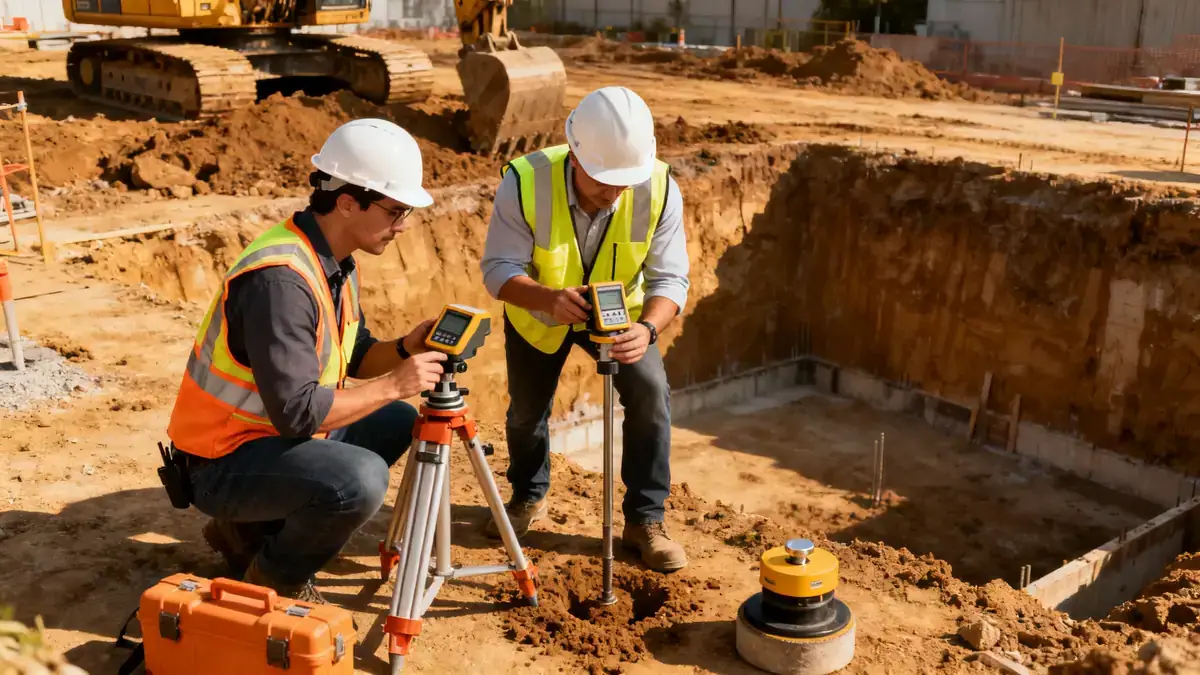
Methodology
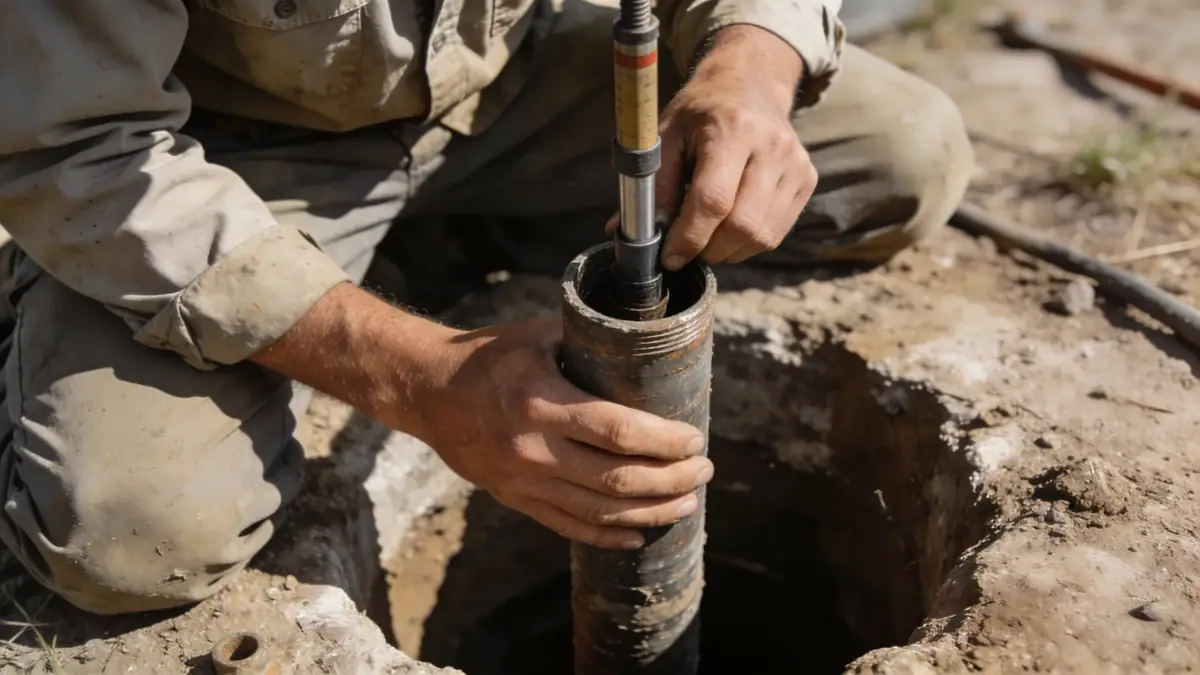
Our methodology for Colorado Springs projects begins with a comprehensive review of existing geological maps and nearby boring logs. We then execute a targeted field investigation program, typically including spt boring at intervals of 1.5 m per ASTM D1586, supplemented by test pits for shallow foundations. In the laboratory, we classify soils using ASTM D2487 and determine strength parameters through direct shear and triaxial tests. For seismic design, we evaluate site class per ASCE 7-16 based on shear wave velocity or N60 values, with peak ground accelerations ranging from 0.2g to 0.4g depending on location. Our integrated approach ensures that the final geotechnical report provides clear, actionable data for foundation and earthwork design.
Reference Technical Parameters
| Parameter | Reference Value |
|---|---|
| Predominant soil type | Clayey sands (SC) and silty sands (SM) with gravel, alluvial and colluvial origin |
| Maximum seismic acceleration (PGA) | 0.2g to 0.4g (ASCE 7-16, Site Class C-D) |
| Typical groundwater level | 3 to 15 m below grade, variable with season and location |
| Bedrock depth | 5 to 30 m (Pierre Shale or Denver Formation) |
| Typical N60 range | 10 to 40 blows per 0.3 m (SPT, ASTM D1586) |
Local Considerations — Colorado Springs
Colorado Springs' geology is dominated by the transition from the Great Plains to the Rocky Mountain foothills. Alluvial soils along Fountain Creek and Monument Creek exhibit moderate to high plasticity, while colluvial and residual soils on the bluffs are often loose to medium dense. The region lies within a moderate seismic zone (PGA up to 0.4g), requiring site-specific response analysis per ASCE 7. Groundwater levels fluctuate seasonally, with shallow water tables near drainage corridors. In older neighborhoods like Old Colorado City, expansive clays pose foundation risks, whereas new developments in the northern suburbs encounter variable bedrock depths. Our team integrates these factors into every study, referencing our soil mechanics laboratory for accurate index and strength properties. For regional context, see our geotechnical engineering en Denver hub.
Request a Quote
Our team reviews your project and issues an initial report at no cost.
Or write us directly at [email protected]
Services in Colorado Springs
Applicable Standards
- ASTM D1586 (Standard Penetration Test)
- ASCE 7-16 (Minimum Design Loads for Buildings and Other Structures)
- International Building Code (IBC) 2021
- Colorado Springs City Code Chapter 10 (Building Regulations)
Frequently Asked Questions
What are the typical soil types encountered in Colorado Springs?
Colorado Springs predominantly features clayey sands (SC), silty sands (SM), and lean clays (CL) from alluvial and colluvial processes. In foothill areas, residual soils overlying Pierre Shale or Denver Formation are common, with occasional gravel lenses near streams.
Is a seismic geotechnical study required for projects in Colorado Springs?
Yes, per the 2021 IBC and ASCE 7-16, most structures in Colorado Springs require a site-specific seismic hazard assessment. The region's PGA ranges from 0.2g to 0.4g, and soil site class (typically C or D) significantly influences design spectra.
Are geotechnical investigations mandatory for residential construction in Colorado Springs?
While not always legally mandated for single-family homes, most local building departments and lenders require a geotechnical report for slab-on-grade foundations, especially in areas with expansive soils or steep slopes. It is strongly recommended to avoid costly repairs.