Methodology
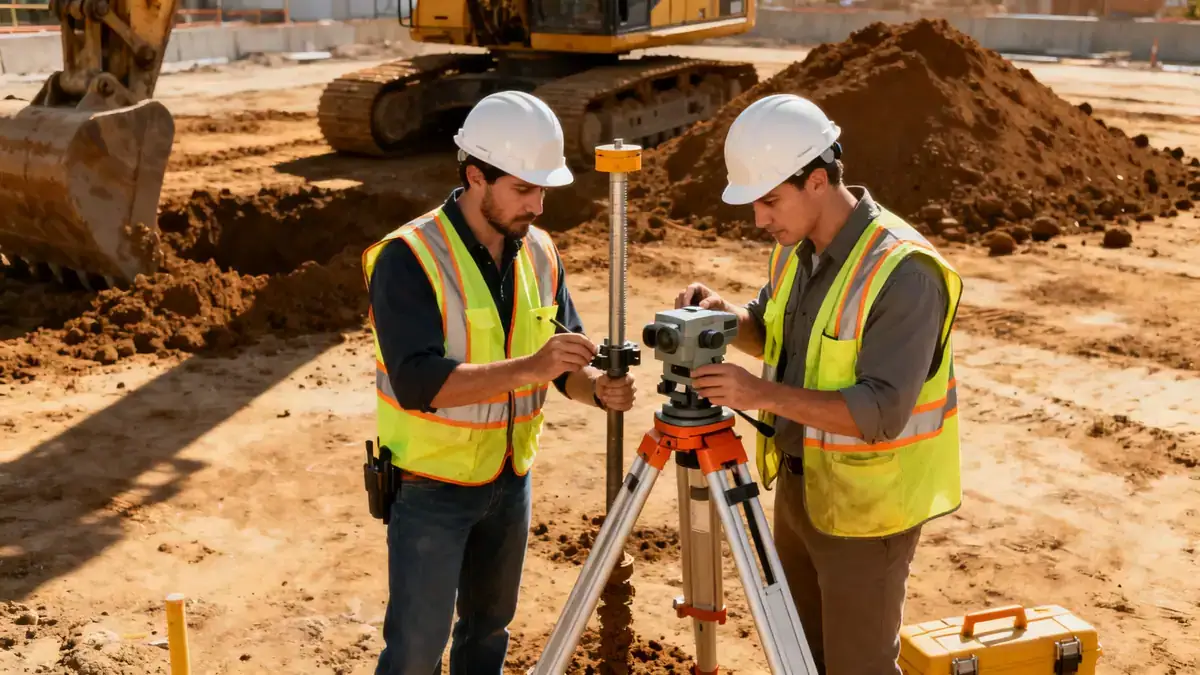
Our methodology for geotechnical engineering in Anaheim follows a phased approach tailored to the region's heterogeneous alluvial deposits and shallow groundwater. Initial site reconnaissance and desktop study review historical maps and seismic hazard data. Field investigations typically include spt boring at intervals of 1.5 m per ASTM D1586, supplemented by cone penetration tests and test pits where access permits. Soil samples are classified via USCS and tested for strength, compressibility, and consolidation parameters. Laboratory work includes moisture-density relations (ASTM D698) and direct shear tests (ASTM D3080). All findings are synthesized into a geotechnical report addressing foundation recommendations, seismic site classification per ASCE 7, and liquefaction potential.
Reference Technical Parameters
| Parameter | Reference Value |
|---|---|
| Predominant Soil Type | Alluvial sands, silts, and gravels with clay lenses |
| Maximum Seismic Acceleration (PGA) | 0.4g to 0.6g (ASCE 7, Site Class D) |
| Typical Groundwater Level | 3–6 m below ground surface (varies seasonally) |
| Bedrock Depth | >30 m (deep alluvial basin) |
| Typical N60 Range | 10–40 blows/ft (sands); 5–20 blows/ft (silts) |
Local Considerations — Anaheim
Anaheim's geology is dominated by Quaternary alluvial deposits from the Santa Ana River, characterized by interbedded sands, silts, and gravels with variable clay content. Shallow groundwater—typically 3–6 m deep—requires dewatering considerations for excavations. Seismically, the region falls within Zone 4 (ASCE 7), with peak ground accelerations up to 0.6g from nearby faults (e.g., San Jacinto, Elsinore). Liquefaction potential is moderate to high in loose, saturated sands, particularly in older floodplain areas. Downtown Anaheim and the Platinum Triangle feature deeper fill and more variable conditions compared to the Anaheim Hills, where bedrock is shallower. Our team leverages proximity to geotechnical engineering en Los Angeles to bring extensive regional experience to every Anaheim project. For critical slopes or excavations, we often incorporate slope stability analysis to ensure long-term safety.
Request a Quote
Our team reviews your project and issues an initial report at no cost.
Or write us directly at [email protected]
Services in Anaheim
Applicable Standards
- ASTM D1586 (Standard Test Method for SPT)
- ASCE 7-16 (Minimum Design Loads for Buildings)
- California Building Code (CBC) 2022
- ASTM D2487 (Classification of Soils for Engineering Purposes)
- ASTM D3080 (Direct Shear Test)
Frequently Asked Questions
What types of soil are commonly found in Anaheim?
Anaheim's subsurface consists mainly of alluvial sands, silts, and gravels deposited by the Santa Ana River. Clay lenses and organic layers can occur in older floodplains. The soil profile is typically heterogeneous, requiring careful characterization through SPT borings and laboratory testing.
How does seismic activity affect geotechnical engineering in Anaheim?
Anaheim is in a high seismic zone (ASCE 7 Site Class D, PGA up to 0.6g). Soil liquefaction, lateral spreading, and settlement are key concerns. Geotechnical investigations must evaluate cyclic strength and provide site-specific seismic design parameters, including spectral accelerations and liquefaction hazard.
Are geotechnical studies mandatory for construction in Anaheim?
Yes, the California Building Code requires a geotechnical investigation for most new structures, additions, and significant alterations. Local authorities (City of Anaheim) enforce these requirements to ensure public safety, especially given the region's seismic risk and variable soil conditions.