Methodology
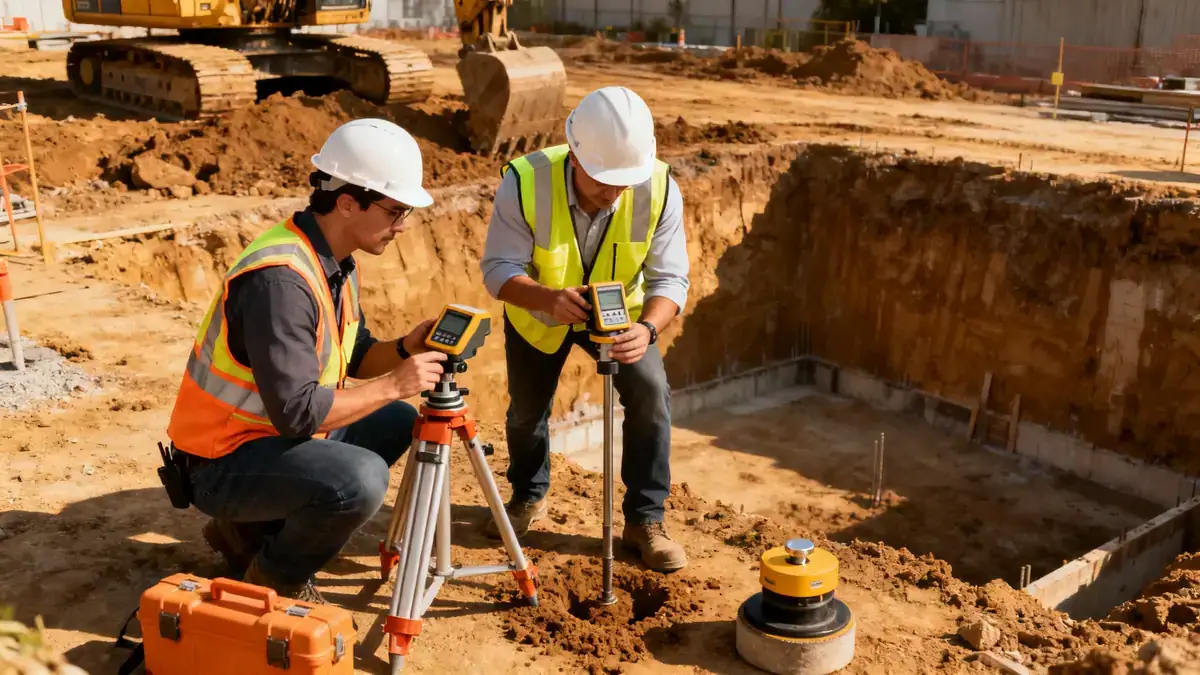
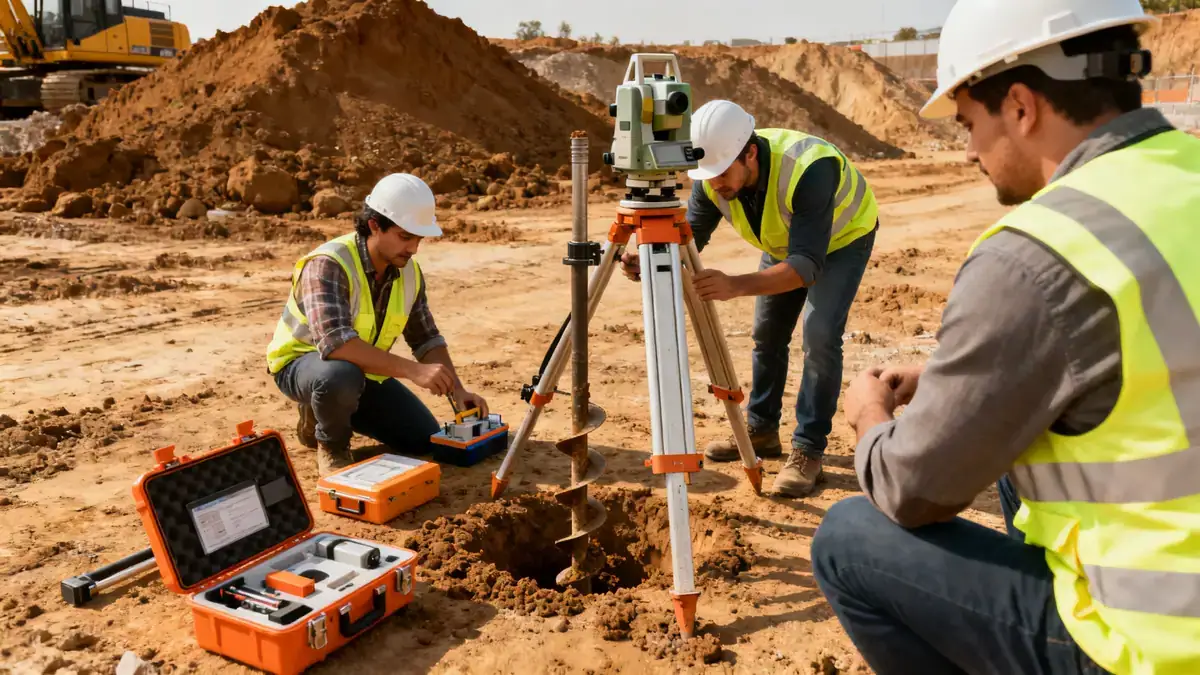
Our methodology in Tampa begins with a comprehensive review of existing geological maps and reports to identify potential hazards such as sinkholes and soft soils. We then design a site-specific exploration program, often including spt boring to obtain soil samples and measure N-values. Laboratory testing on recovered samples determines index properties, strength, and compressibility. Data integration uses geostatistical methods to develop a reliable subsurface model. This approach ensures that foundation designs account for variability in the Hawthorn Group sediments and the underlying Ocala Limestone, optimizing both safety and cost.
Reference Technical Parameters
| Parameter | Reference Value |
|---|---|
| Predominant Soil Type | Sand, clay, and limestone (Hawthorn Group & Ocala Limestone) |
| Maximum Seismic Acceleration (PGA) | 0.15g (ASCE 7-16, Site Class D) |
| Typical Groundwater Level | 1.5–3.0 m below ground surface |
| Bedrock Depth | 5–20 m (Ocala Limestone) |
| Typical N60 Range (SPT) | 10–30 blows/0.3 m in sand; 30–50+ in limestone |
Local Considerations — Tampa
Tampa's geology is dominated by the Hawthorn Group, a Miocene sequence of sand, clay, and carbonate rocks, underlain by the Ocala Limestone. The region's karst topography leads to potential sinkhole activity, requiring careful evaluation for large developments. Shallow groundwater (1.5–3 m) necessitates dewatering considerations for excavations. Seismic design per ASCE 7-16 with PGA of 0.15g and Site Class D is standard. In contrast to the mainly granular soils of downtown, areas like South Tampa exhibit more organic deposits and soft clays. For complex slope stability assessments, our team often utilizes slope stability analyses to address these local conditions. Our firm's experience in Miami provides valuable parallels for Tampa's coastal and karst challenges; see geotechnical engineering en Miami for further context.
Request a Quote
Our team reviews your project and issues an initial report at no cost.
Or write us directly at [email protected]
Services in Tampa
Applicable Standards
- ASCE 7-16 (Minimum Design Loads for Buildings)
- ASTM D1586 (Standard Penetration Test)
- Florida Building Code (2023)
- ASTM D2487 (Unified Soil Classification System)
Frequently Asked Questions
What are the typical soil types encountered in Tampa?
Tampa soils are primarily sands and clays of the Hawthorn Group, underlain by limestone. Shallow groundwater is common, and karst features like sinkholes pose a risk. Standard penetration tests (ASTM D1586) and laboratory index testing are used to characterize these soils.
Is seismic design required for structures in Tampa?
Yes, per the Florida Building Code and ASCE 7-16, Tampa has a moderate seismic hazard with a PGA of 0.15g. Structures must be designed for Site Class D soils, which amplifies ground motion. Geotechnical investigations provide site-specific parameters for seismic analysis.
Are geotechnical studies mandatory for new construction in Tampa?
While not explicitly required for all projects, most lenders, insurers, and local authorities recommend or require a geotechnical report for site development, especially in areas prone to sinkholes or high groundwater. Our firm provides these studies to mitigate risk.