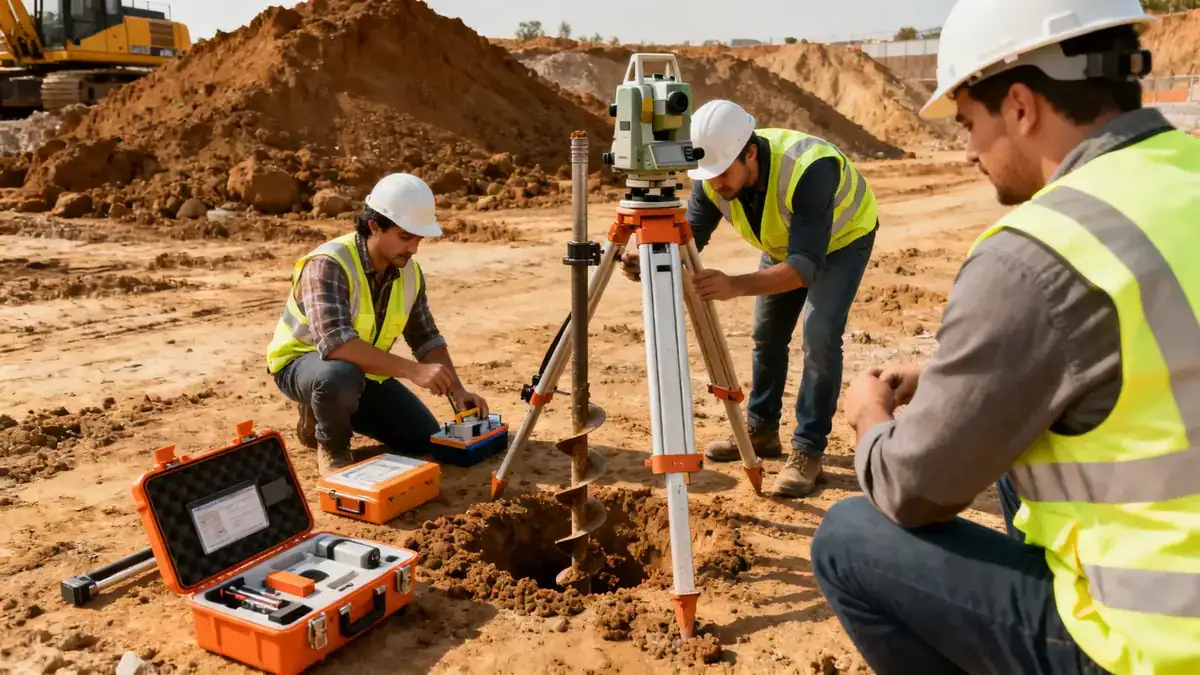
Methodology
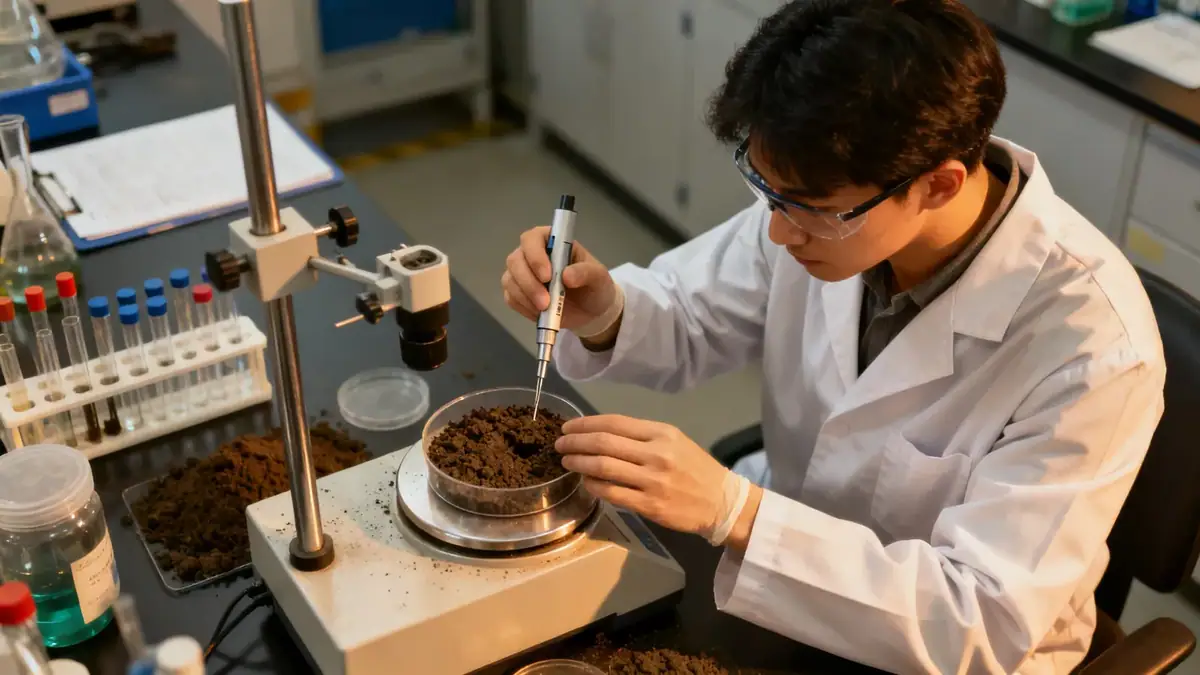
Our approach to geotechnical engineering in Fort Lauderdale begins with a thorough site reconnaissance and review of historical land use. We then perform subsurface investigations using methods such as spt boring to characterize soil stratigraphy and strength. Laboratory testing on recovered samples provides key parameters for settlement and bearing capacity analysis. Groundwater monitoring and seismic hazard assessment are integrated into our evaluations, particularly for sites near canals or the coast. We combine these data with local construction experience to develop practical recommendations tailored to each project's specific conditions and regulatory requirements.
Reference Technical Parameters
| Parameter | Reference Value |
|---|---|
| Predominant soil type | Sand, silty sand, and limestone |
| Maximum seismic acceleration (PGA) | 0.05–0.10 g (ASCE 7-22) |
| Typical groundwater level | 1–3 m below ground surface |
| Bedrock depth | 10–30 m (limestone) |
| Typical N60 range (SPT) | 5–30 blows/0.3 m in sands |
Local Considerations — Fort Lauderdale
Fort Lauderdale's geology is dominated by the Biscayne Aquifer, with shallow groundwater levels typically 1–3 m deep, requiring dewatering considerations for excavations. The soil profile consists of loose to medium dense sands underlain by limestone bedrock at depths of 10–30 m. Seismic hazard is low to moderate, with PGA values of 0.05–0.10 g per ASCE 7-22, but liquefaction potential exists in saturated loose sands. The city's extensive canal system and coastal location necessitate careful slope stability and seepage analysis. For complex projects, our team coordinates with our geotechnical engineering en Miami office to leverage regional expertise. Typical case studies include high-rise foundations on shallow limestone and waterfront retaining walls requiring corrosion-resistant designs.
Request a Quote
Our team reviews your project and issues an initial report at no cost.
Or write us directly at [email protected]
Services in Fort Lauderdale
Applicable Standards
- ASTM D1586 (Standard Penetration Test)
- ASCE 7-22 (Minimum Design Loads and Associated Criteria for Buildings and Other Structures)
- IBC 2021 (International Building Code)
- Florida Building Code (7th Edition, 2023)
- ASTM D2487 (Classification of Soils for Engineering Purposes)
Frequently Asked Questions
What soil types are commonly encountered in Fort Lauderdale?
Fort Lauderdale soils typically consist of loose to medium dense sands, silty sands, and occasional organic deposits near canals. Underlying these is a limestone formation (Miami Limestone) at depths of 10–30 m, which often provides competent bearing strata for deep foundations.
What seismic design considerations apply in Fort Lauderdale?
Per ASCE 7-22 and the Florida Building Code, Fort Lauderdale is in a low seismic zone with PGA values of 0.05–0.10 g. However, site-specific studies are recommended for critical structures to evaluate liquefaction potential and soil amplification effects, particularly in areas with high groundwater.
Are geotechnical investigations mandatory for construction in Fort Lauderdale?
Yes, the Florida Building Code requires a geotechnical investigation for most new construction, especially for buildings with more than two stories or complex foundations. Local permitting authorities often request soil reports to verify compliance with bearing capacity, settlement, and groundwater control requirements.