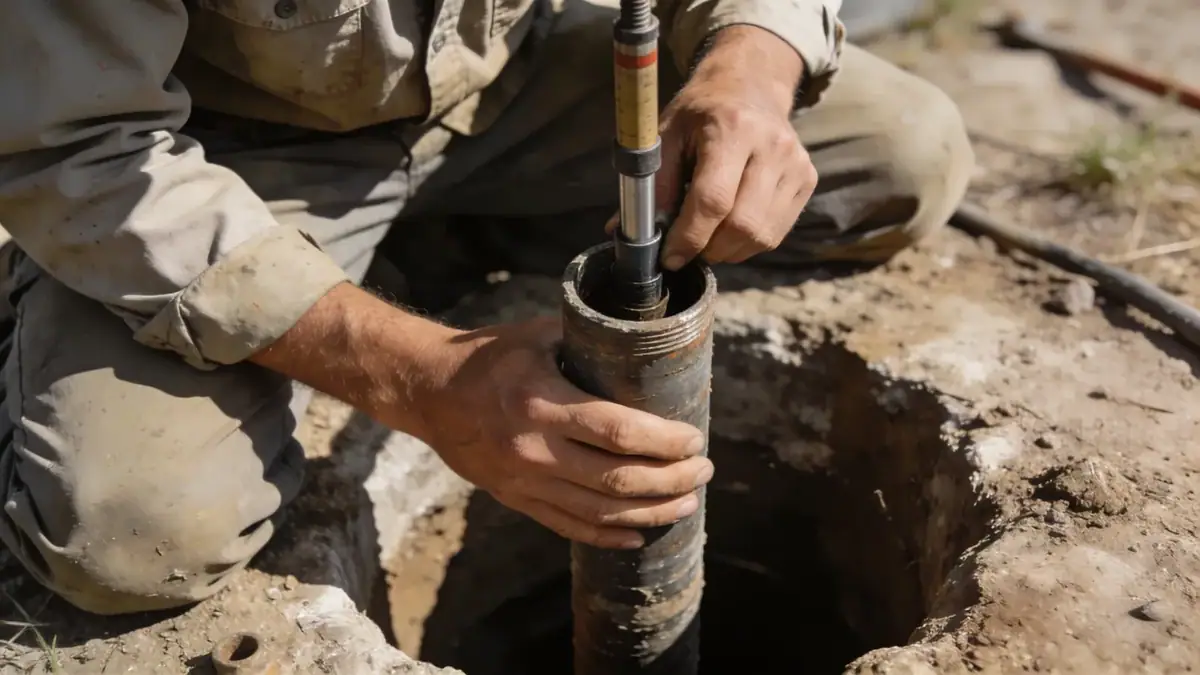
Methodology
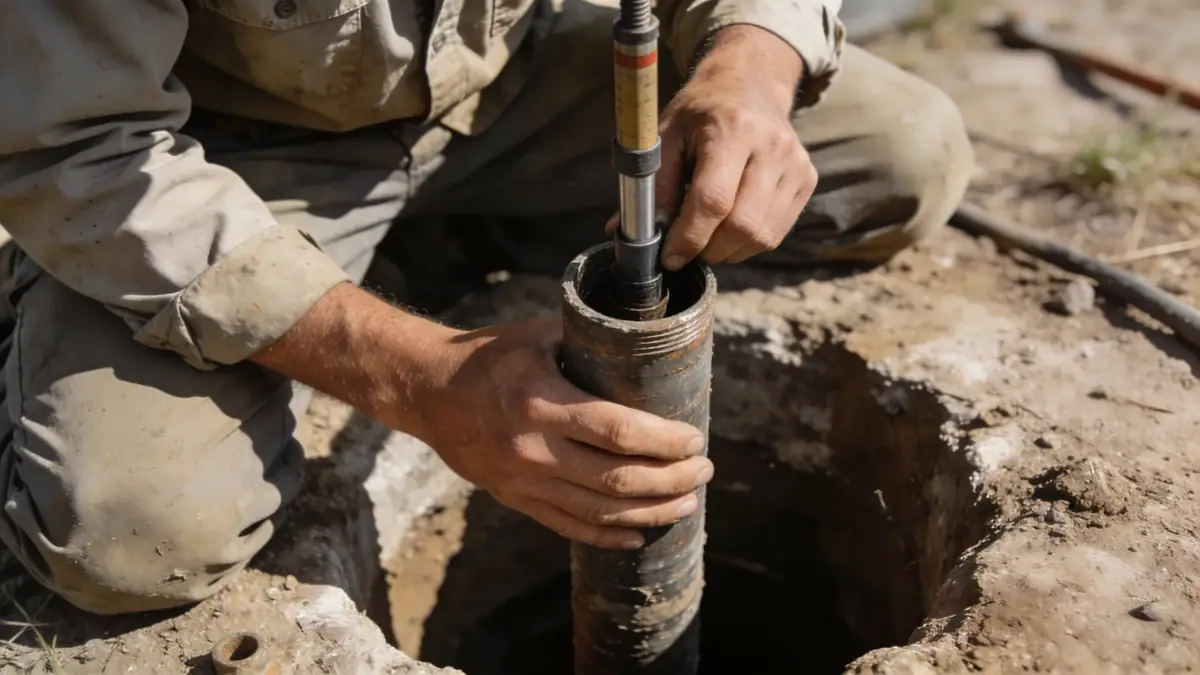
Our methodology for geotechnical engineering in Hialeah begins with a thorough review of existing geological data and project requirements. We then conduct field investigations, including spt boring to obtain soil samples and measure penetration resistance at regular intervals. Laboratory testing on retrieved samples follows ASTM standards to determine index properties, strength, and compressibility. Data synthesis involves developing soil profiles and calculating bearing capacities, settlement, and lateral earth pressures. This approach ensures that our recommendations are grounded in site-specific evidence, supporting safe foundation design and compliance with local codes.
Reference Technical Parameters
| Parameter | Reference Value |
|---|---|
| Predominant soil type | Sands and silty sands (SP, SM) underlain by limestone |
| Maximum seismic acceleration (PGA) | 0.18 g (ASCE 7-16, Site Class D) |
| Typical groundwater level | 1.5 to 3.0 m below ground surface |
| Bedrock depth | 2.0 to 5.0 m (Miami Limestone) |
| Typical N60 range | 10 to 50 blows/0.3 m (SPT) |
Local Considerations — Hialeah
Hialeah's subsurface is characterized by shallow limestone bedrock (Miami Limestone) overlain by sandy soils, often with high groundwater levels within 1.5–3 m. This setting presents specific challenges: excavation dewatering is typically required, and foundation systems must account for karstic features or solution cavities in the limestone. Seismic site classification per ASCE 7-16 is generally Site Class D due to loose sands, though local variations exist. Our team has experience across Hialeah's neighborhoods, from residential areas near Hialeah Park to commercial zones along Okeechobee Road. For a broader perspective, see our geotechnical engineering services in Miami, which include regional insights applicable to Hialeah.
Request a Quote
Our team reviews your project and issues an initial report at no cost.
Or write us directly at [email protected]
Services in Hialeah
Applicable Standards
- ASTM D1586
- ASCE 7-16
- Florida Building Code (7th Edition, 2023)
- AASHTO M145
- ASTM D2487
Frequently Asked Questions
What soil types are commonly found in Hialeah?
The predominant soils are sands and silty sands (SP, SM) underlain by the Miami Limestone, a porous limestone formation. Groundwater is typically shallow, at depths of 1.5 to 3.0 meters, which influences foundation design and construction methods.
Is seismic analysis required for projects in Hialeah?
Yes, the Florida Building Code mandates seismic design per ASCE 7-16. Hialeah falls under Seismic Design Category B, with a maximum considered earthquake spectral response acceleration (S_MS) of approximately 0.29 g. Site-specific analysis may be required for critical structures.
Are geotechnical studies mandatory for construction in Hialeah?
For most building permits, the Florida Building Code requires a geotechnical investigation to determine soil bearing capacity, groundwater conditions, and seismic site class. Exceptions may apply for small, single-story structures, but professional guidance is recommended to avoid future issues.