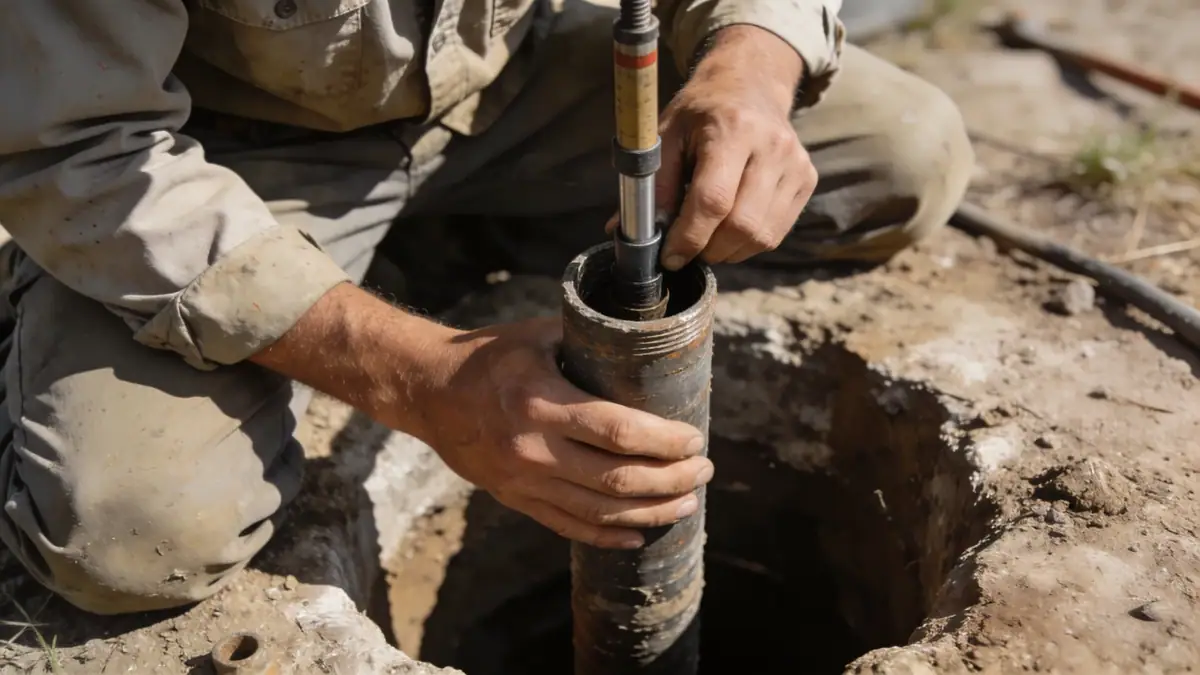
Methodology
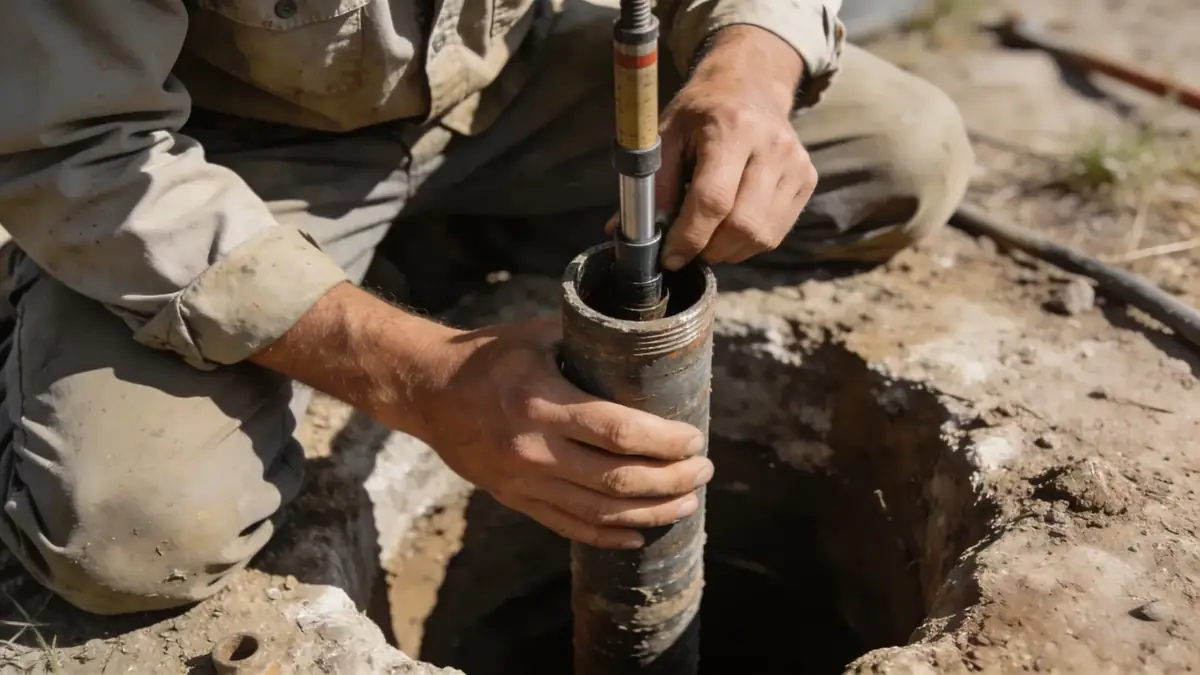
Our geotechnical engineering methodology in Cape Coral begins with a thorough review of existing geological data and site conditions. We conduct standard penetration test (SPT) borings in accordance with ASTM D1586 to characterize soil stratigraphy and strength. Soil samples are retrieved for laboratory testing, including grain size distribution (ASTM D6913) and Atterberg limits (ASTM D4318). Groundwater levels are monitored during and after drilling. We then analyze data to develop soil profiles and provide foundation recommendations tailored to Cape Coral's unique subsurface conditions, including considerations for liquefaction potential and settlement.
Reference Technical Parameters
| Parameter | Reference Value |
|---|---|
| Predominant soil type | Sands (SP, SM) with shell fragments |
| Typical groundwater depth | 2 to 6 feet below ground surface |
| Maximum seismic acceleration (PGA) | 0.05g to 0.10g (ASCE 7-16) |
| Bedrock depth | 100 to 150 feet (limestone) |
| Typical N60 range (SPT) | 10 to 30 blows per foot (loose to medium dense) |
Local Considerations — Cape Coral
Cape Coral's geology presents three key challenges: high groundwater table, loose sandy soils, and potential for karst-related subsidence. The city's extensive canal system influences local drainage and groundwater flow. In older neighborhoods, undocumented fill may be present, requiring careful investigation. Our team addresses these issues by customizing exploration depths and testing programs. For projects near the Caloosahatchee River or Gulf Coast, we consider saltwater intrusion and corrosion potential. We also coordinate with local permitting authorities to ensure compliance with Lee County regulations. As a complement to our local operations, our geotechnical engineering en Miami office provides additional regional support for complex projects.
Request a Quote
Our team reviews your project and issues an initial report at no cost.
Or write us directly at [email protected]
Services in Cape Coral
Applicable Standards
- ASTM D1586 (Standard Penetration Test)
- ASCE 7-16 (Minimum Design Loads and Associated Criteria for Buildings)
- Florida Building Code (2023)
- ASTM D2487 (Classification of Soils for Engineering Purposes)
- ASTM D4318 (Atterberg Limits)
Frequently Asked Questions
What are the typical soil conditions in Cape Coral?
Cape Coral soils are predominantly loose to medium dense sands (SP, SM) with shell fragments. The groundwater table is typically shallow, ranging from 2 to 6 feet below ground surface. Underlying limestone bedrock is present at depths of 100 to 150 feet. These conditions require careful evaluation for foundation design and construction.
Is seismic design required in Cape Coral?
Yes, per ASCE 7-16, Cape Coral falls within Seismic Design Category A or B, with a maximum considered earthquake (MCE) peak ground acceleration (PGA) of approximately 0.05g to 0.10g. Although seismic risk is low, the Florida Building Code mandates consideration of seismic loads for certain structures, particularly those with occupancy categories III and IV.
Are geotechnical studies mandatory for new construction in Cape Coral?
Geotechnical studies are not always legally required for single-family homes, but they are strongly recommended due to local soil variability and high groundwater. For commercial buildings, multifamily developments, and structures over three stories, a geotechnical investigation is typically required by the Florida Building Code and local permitting authorities to ensure safe design.