Methodology
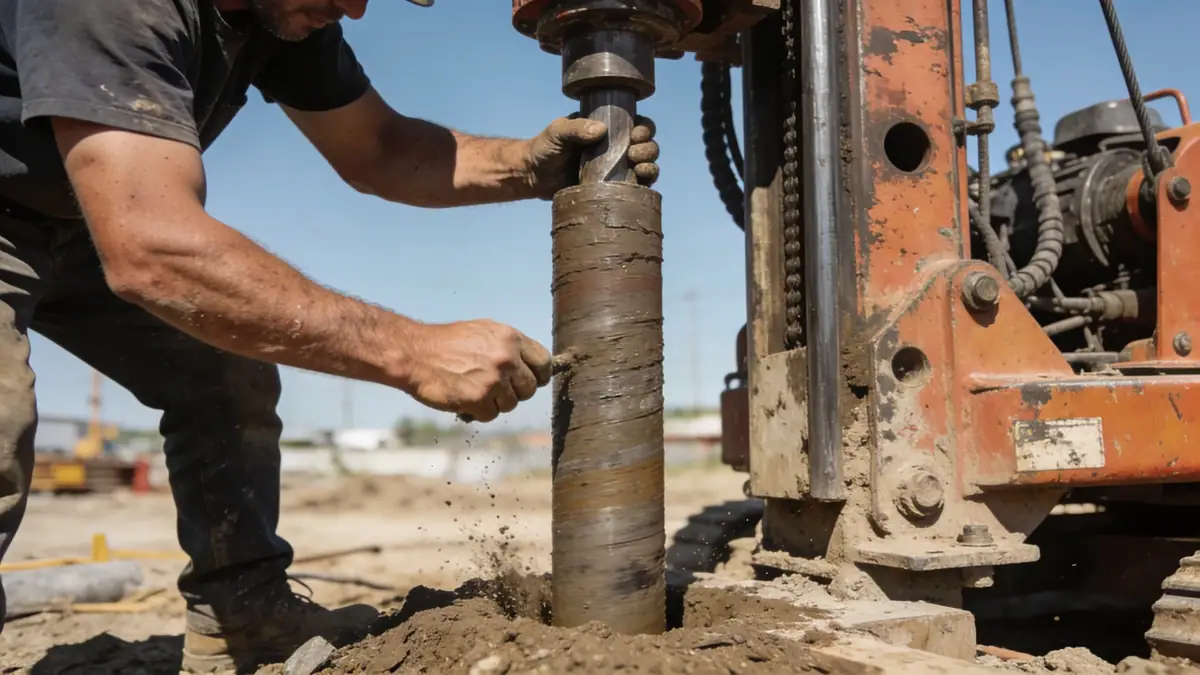
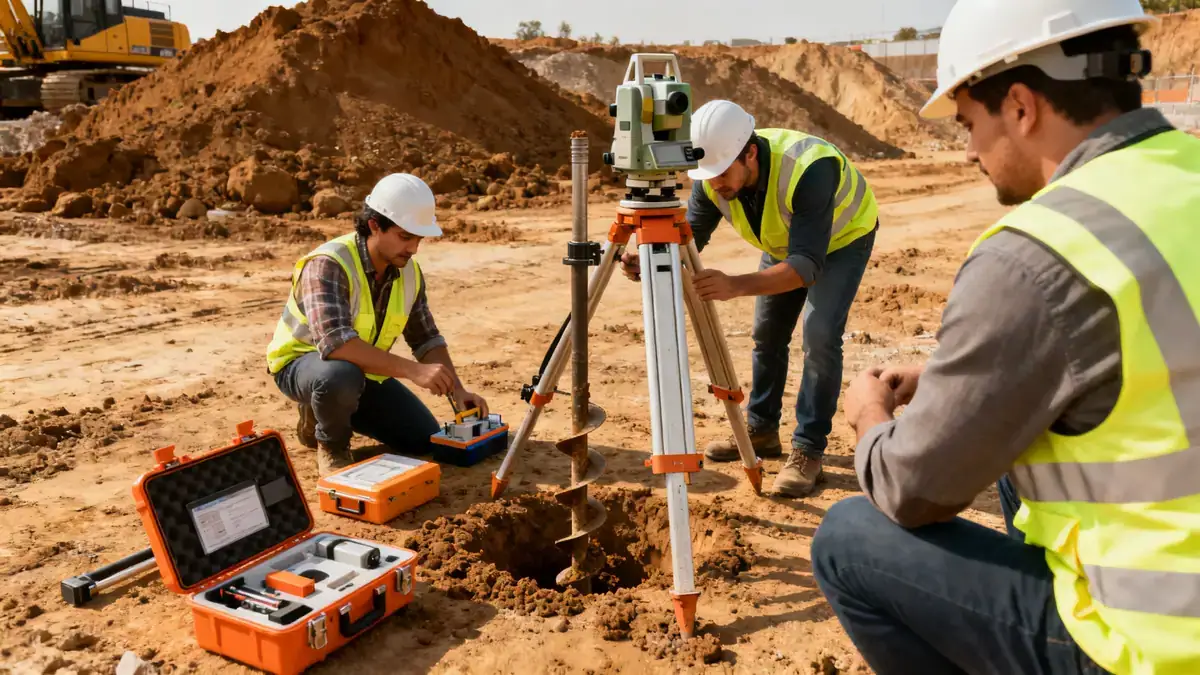
Our methodology for geotechnical engineering in Tampa Florida integrates field investigations, laboratory testing, and advanced analysis. We perform spt boring at depths ranging from 8 to 30 meters, following ASTM D1586, to assess subsurface conditions. Soil samples are classified using the Unified Soil Classification System (USCS) and tested for strength, compressibility, and hydraulic conductivity. Our approach emphasizes understanding the local geology, including the presence of limestone bedrock and variable groundwater levels, to provide accurate foundation recommendations. All work is conducted in compliance with applicable building codes, ensuring robust and reliable results for every project.
Reference Technical Parameters
| Parameter | Reference Value |
|---|---|
| Predominant soil type | Sand and clayey sand (SP, SC) |
| Maximum seismic acceleration (PGA) | 0.15g (ASCE 7-16) |
| Typical groundwater level | 1.5 to 4.5 meters below ground surface |
| Bedrock depth | 10 to 30 meters (limestone) |
| Typical N60 range | 4 to 30 blows per foot (SPT) |
Local Considerations — Tampa Florida
Geotechnical engineering in Tampa Florida must address five key factors: (1) Sandy soils with high permeability require careful drainage design. (2) The shallow groundwater table, often within 2 meters, necessitates dewatering plans. (3) Seismic hazard is moderate, with a PGA of 0.15g per ASCE 7, requiring ground response analysis. (4) Significant variability between coastal and inland areas—coastal zones have loose sands, while inland areas feature more competent soils. (5) Typical projects include residential foundations and commercial developments, often requiring deep foundations where loose soils are encountered. Our team provides tailored solutions for these conditions. For broader regional context, see our geotechnical engineering en Miami hub.
Request a Quote
Our team reviews your project and issues an initial report at no cost.
Or write us directly at [email protected]
Services in Tampa Florida
Applicable Standards
- ASTM D1586 (Standard Penetration Test)
- ASCE 7-16 (Minimum Design Loads for Buildings)
- Florida Building Code (2023)
- ASTM D2487 (Classification of Soils for Engineering Purposes)
Frequently Asked Questions
What types of soil are commonly found in Tampa Florida?
The predominant soils in Tampa Florida are sands and clayey sands, classified as SP and SC under USCS. These soils are often loose near the surface, becoming denser with depth. Organic soils and limestone bedrock are also encountered, influencing foundation design.
How does seismic activity affect geotechnical engineering in Tampa Florida?
Tampa Florida has a moderate seismic hazard, with a peak ground acceleration of 0.15g per ASCE 7. While major earthquakes are rare, soil liquefaction potential in loose sands and the need for seismic site classification require careful evaluation to ensure structural safety.
Are geotechnical studies mandatory for construction in Tampa Florida?
Yes, the Florida Building Code requires geotechnical investigations for most new construction, especially for buildings with significant loads or in areas with variable soil conditions. Studies help determine foundation type, depth, and soil bearing capacity, ensuring compliance and safety.