Methodology

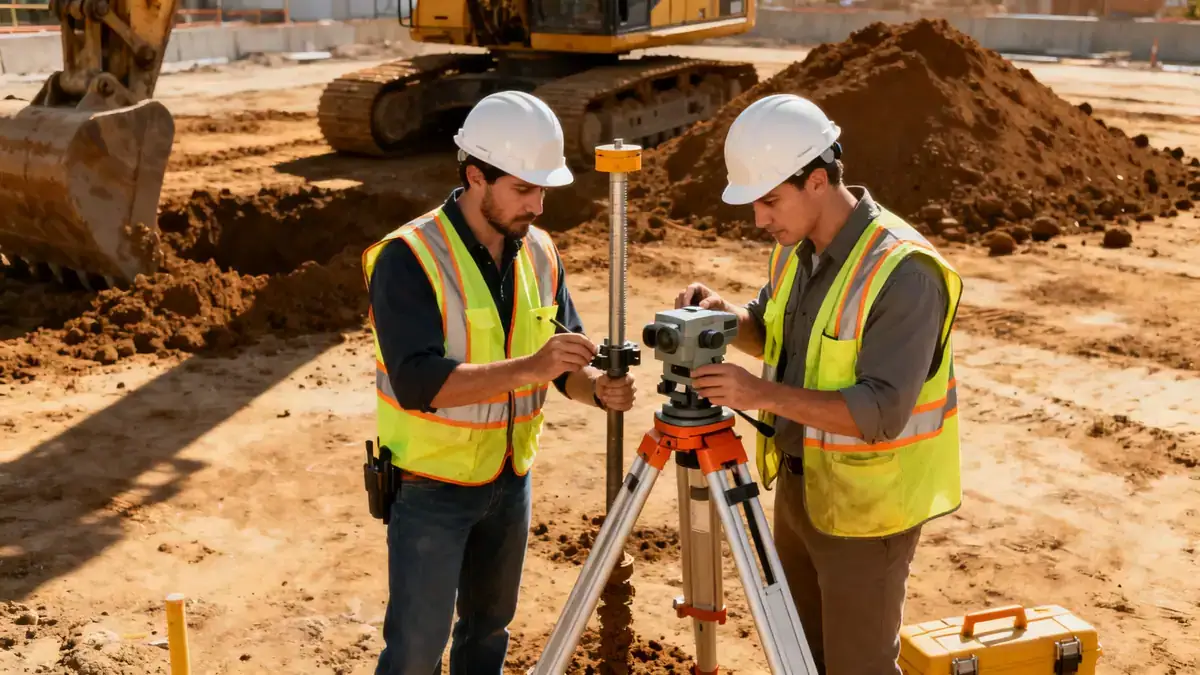
Our methodology for geotechnical engineering in Virginia Beach begins with a comprehensive site reconnaissance and review of existing geologic maps. We then conduct subsurface investigations using standard penetration testing (SPT) per ASTM D1586, with sampling intervals typically every 1.5 m to depths of 15–30 m depending on loading. For shallow foundations, we often perform test pits to 3 m depth. In our soil mechanics laboratory, we classify soils via sieve and hydrometer analysis (ASTM D6913/D7928), determine moisture-density relationships (Proctor D698), and measure shear strength through direct shear (ASTM D3080) or triaxial compression. Consolidation tests (ASTM D2435) assess settlement potential. All data are synthesized into a geotechnical report with recommendations for foundation type, bearing capacity, and seismic site class per ASCE 7-16.
Reference Technical Parameters
| Parameter | Reference Value |
|---|---|
| Predominant soil type | Sands, silty sands, and clays (Coastal Plain deposits) |
| Maximum seismic acceleration (PGA) | 0.15–0.20 g (ASCE 7-16, Site Class C–D) |
| Typical groundwater level | 1.5–4.5 m below ground surface |
| Bedrock depth | >30 m (no bedrock within typical exploration depth) |
| Typical N60 range | 5–30 blows/0.3 m (sands: 10–30; clays: 5–15) |
Local Considerations — Virginia Beach
Virginia Beach lies within the Atlantic Coastal Plain, underlain by unconsolidated sediments of the Chesapeake Group. The water table is shallow, often within 2 m, requiring dewatering considerations for excavations. Seismic design follows ASCE 7-16 with mapped PGA values of 0.15–0.20 g; liquefaction potential exists in loose saturated sands near the coast. The contrast between the Oceanfront (dune sands) and inland areas (estuarine clays) demands site-specific investigations. Typical projects include residential subdivisions, commercial strip malls, and seawalls. Our firm coordinates with the Virginia Beach Planning Department and references the Virginia Uniform Statewide Building Code. For regional context, we also offer geotechnical engineering in Philadelphia, where bedrock is shallower and glacial till dominates.
Request a Quote
Our team reviews your project and issues an initial report at no cost.
Or write us directly at [email protected]
Services in Virginia Beach
Applicable Standards
- ASTM D1586 (Standard Penetration Test)
- ASCE 7-16 (Minimum Design Loads and Associated Criteria for Buildings and Other Structures)
- Virginia Uniform Statewide Building Code (USBC)
- ASTM D2487 (Unified Soil Classification System)
- ASTM D1883 (California Bearing Ratio)
Frequently Asked Questions
What are the typical soil conditions for geotechnical engineering in Virginia Beach?
Soils are predominantly Coastal Plain deposits: loose to medium dense sands, silty sands, and soft to firm clays. Groundwater is shallow, typically 1.5–4.5 m deep. Bedrock is absent within practical exploration depths. These conditions often require deep foundations or ground improvement for heavy structures.
Is seismic design required for geotechnical engineering in Virginia Beach?
Yes, the Virginia USBC adopts ASCE 7-16 seismic provisions. Virginia Beach has a mapped PGA of 0.15–0.20 g, corresponding to Seismic Design Category B or C. Site-specific response spectra may be needed for critical facilities. Liquefaction assessment is recommended for loose saturated sands.
Are geotechnical investigations mandatory for construction in Virginia Beach?
While not always explicitly required for all projects, the Virginia USBC mandates a geotechnical report for buildings in Seismic Design Category C or when special inspections are needed. Most local jurisdictions recommend a subsurface investigation for any structure to ensure safe and economical design.