Methodology
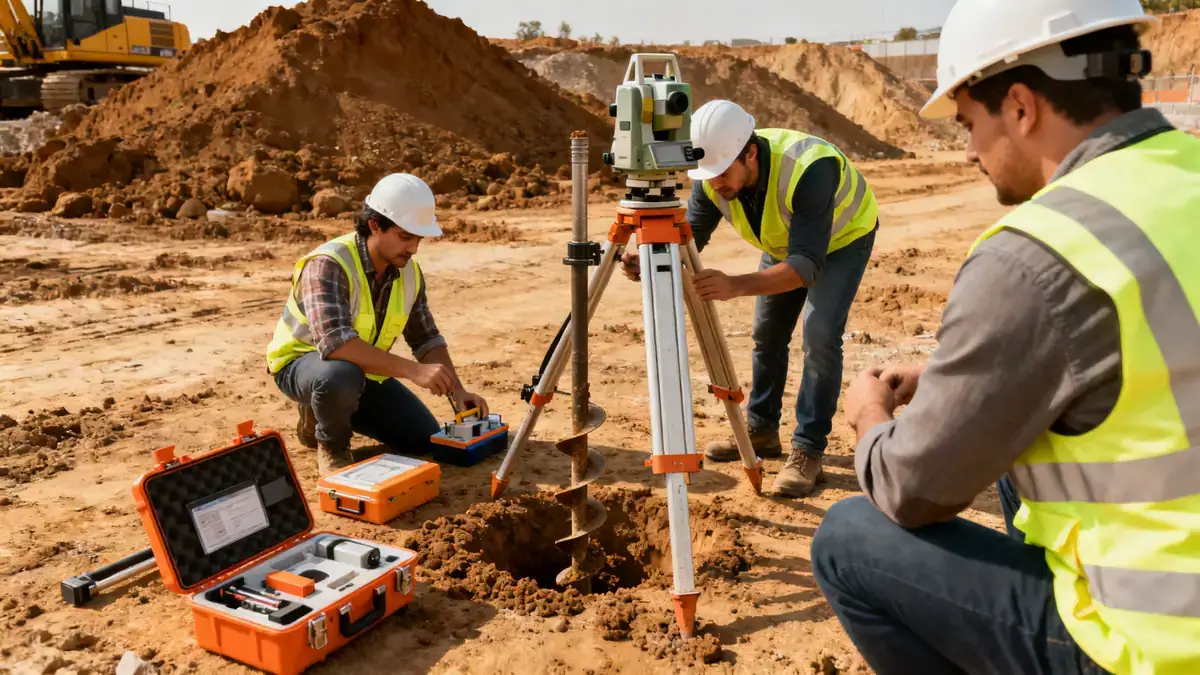
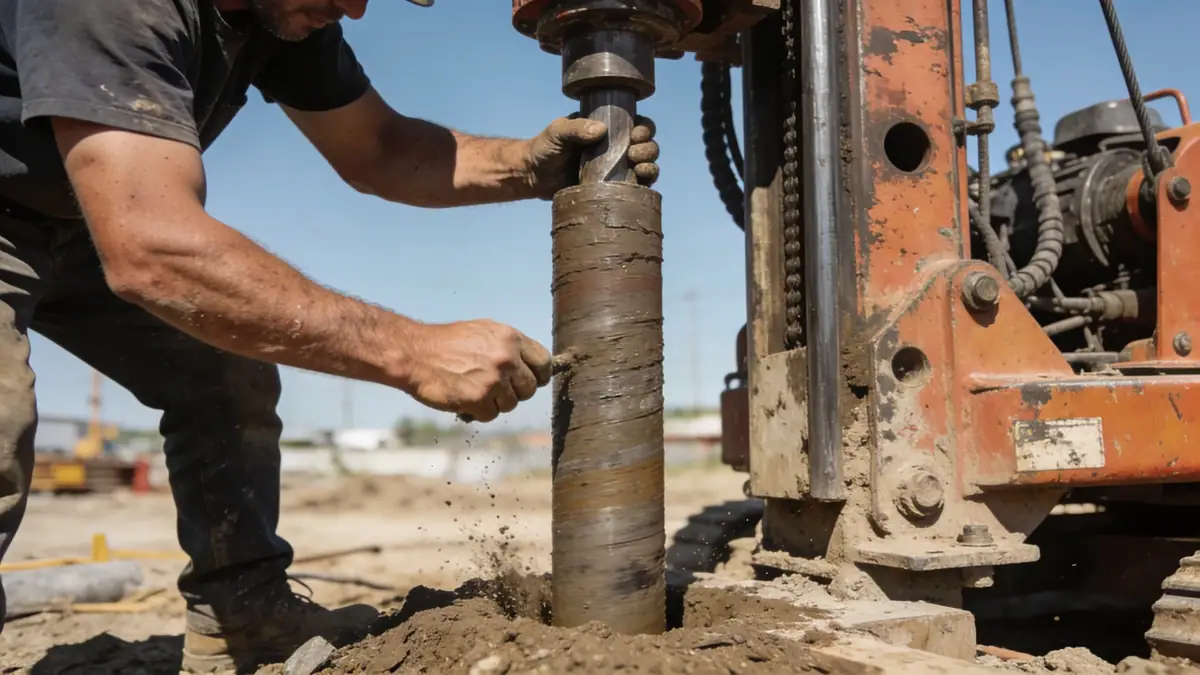
Our methodology in Rochester begins with a thorough review of existing geologic maps and subsurface data. We then conduct field investigations, including spt boring to recover disturbed and undisturbed samples, following ASTM D1586. Laboratory testing classifies soils, measures strength, and evaluates consolidation parameters. This integrated approach allows us to model ground behavior and provide recommendations tailored to Rochester's unique glacial deposits and seismic zone.
Reference Technical Parameters
| Parameter | Reference Value |
|---|---|
| Predominant soil type | Glacial till and lacustrine silty clay |
| Maximum seismic acceleration (PGA) | 0.18g (ASCE 7-16, Site Class D) |
| Typical groundwater level | 3–6 m below grade |
| Bedrock depth | 15–30 m (shale and limestone) |
| Typical N60 range (SPT) | 5–30 blows/0.3 m |
Local Considerations — Rochester
Rochester's geology is dominated by glacial till and lacustrine deposits from Glacial Lake Iroquois. These soils often exhibit high plasticity and variable density, requiring careful evaluation for shallow foundations. The region lies in a moderate seismic zone (ASCE 7 Site Class D) with PGA of 0.18g. Groundwater is typically shallow (3–6 m), influencing excavation and dewatering. Older neighborhoods near the Genesee River may have fill or organic soils, while suburban areas in Brighton or Pittsford feature stiff tills. Typical projects include residential subdivisions and commercial buildings, where our team provides site-specific recommendations. For broader context, our geotechnical engineering in Philadelphia team addresses similar glacial soils with tailored solutions.
Request a Quote
Our team reviews your project and issues an initial report at no cost.
Or write us directly at [email protected]
Services in Rochester
Applicable Standards
- ASTM D1586 (Standard Test Method for Standard Penetration Test)
- ASCE 7-16 (Minimum Design Loads for Buildings and Other Structures)
- NYSDEC Site Remediation Guidance
- Rochester Zoning Code and Building Code
Frequently Asked Questions
What are the typical soil conditions in Rochester, NY?
Rochester's soils are predominantly glacial till and lacustrine silty clay, with variable density and plasticity. Bedrock (shale/limestone) lies 15–30 m deep, and groundwater is typically shallow (3–6 m). These conditions require careful evaluation for foundation design.
Is a geotechnical study required for residential construction in Rochester?
While not always mandatory for single-family homes, a geotechnical study is strongly recommended due to variable soil conditions. Many local building departments require a subsurface investigation for new foundations, especially in areas with fill or high groundwater.
What seismic design considerations apply in Rochester?
Rochester is in Seismic Design Category B per ASCE 7-16, with a maximum considered earthquake PGA of 0.18g for Site Class D. Structures must comply with ASCE 7 lateral force requirements, and soil liquefaction potential should be assessed for saturated loose sands.