Methodology
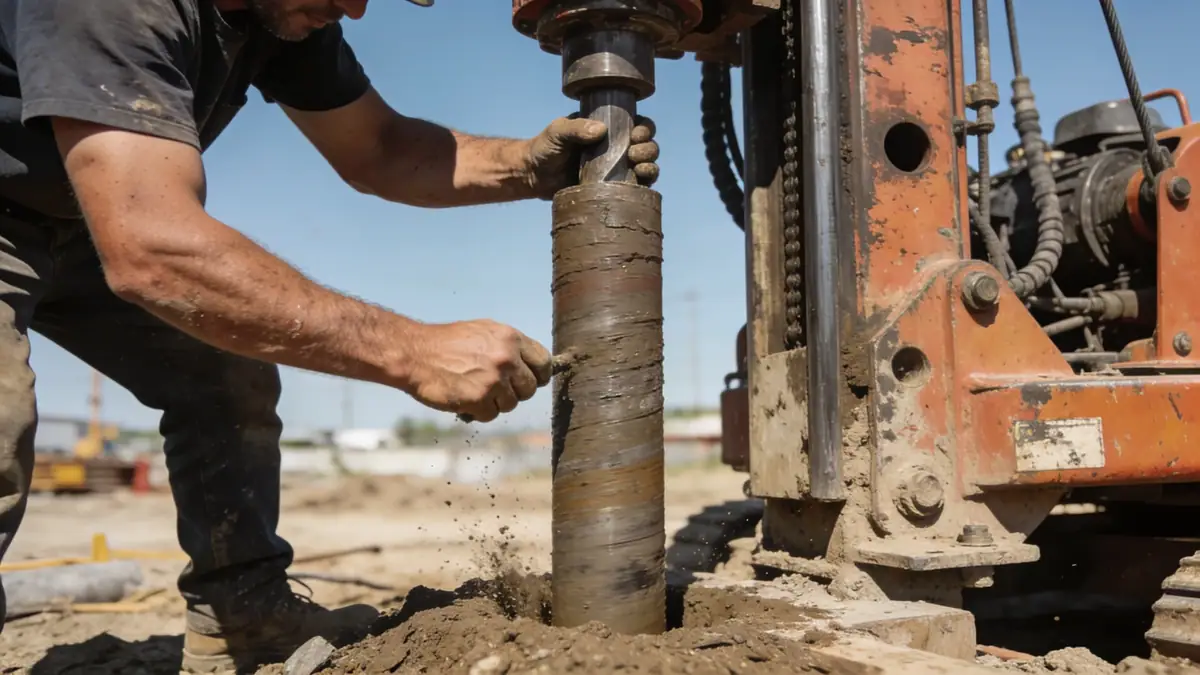
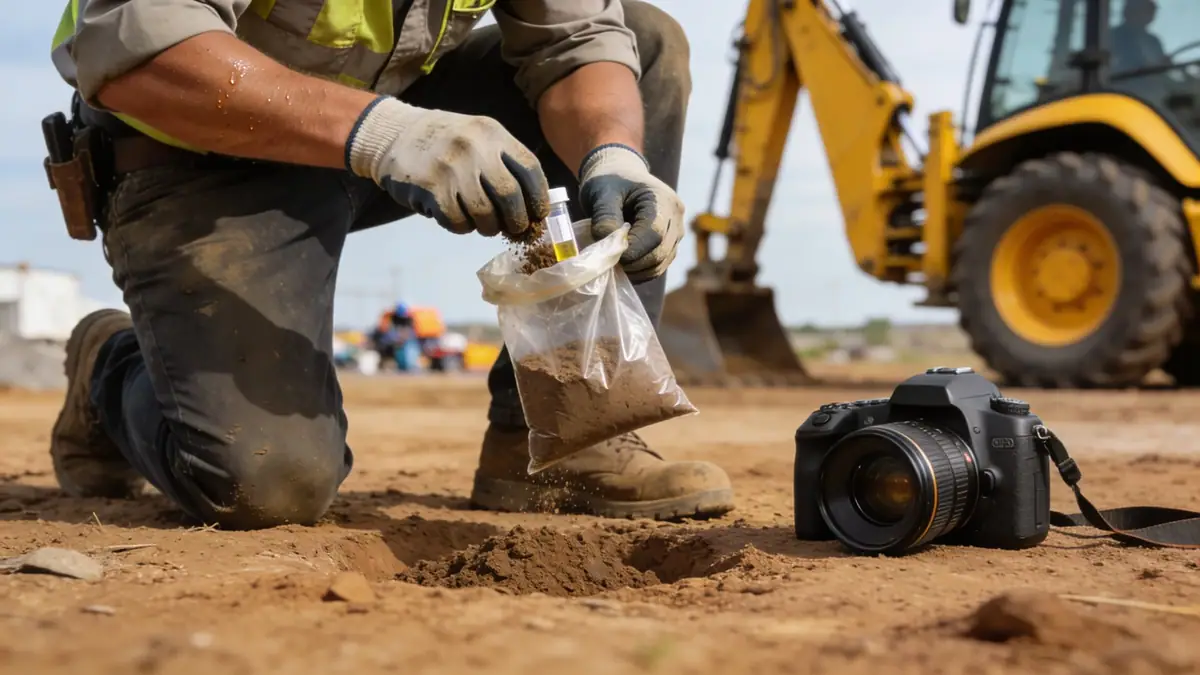
Our methodology for geotechnical engineering in Pittsburgh integrates field investigation and laboratory analysis. We perform spt boring using ASTM D1586 to sample subsurface strata at 1.0–1.5 m intervals, typically reaching 8–15 m for residential projects. Our soil mechanics laboratory evaluates index properties, strength, and consolidation behavior. This data informs slope stability models and foundation design, tailored to Pittsburgh's variable geology.
Reference Technical Parameters
| Parameter | Reference Value |
|---|---|
| Predominant soil type | Glacial till, alluvial silts, clay, and fill |
| Maximum seismic acceleration (PGA) | 0.08–0.12 g (ASCE 7-16 site class C/D) |
| Typical groundwater level | 3–10 ft below surface (varies seasonally) |
| Bedrock depth | 10–50 ft (sandstone/shale sequences) |
| Typical N60 range (SPT) | 4–30 blows/ft (soft clay to dense sand/gravel) |
Local Considerations — Pittsburgh
Pittsburgh's geology features glacial till over sedimentary bedrock, with alluvial deposits along rivers. High plasticity clays and loose fills cause settlement and slope instability. Seismic hazard is low (PGA 0.08–0.12 g), but site response varies. Older neighborhoods like Mount Washington and Lawrenceville have steep slopes requiring slope stability analyses. Downtown fills from the 19th century demand careful foundation design. Our firm applies ASCE 7 and local building codes to address these challenges. For broader regional expertise, see our geotechnical engineering in Philadelphia services.
Request a Quote
Our team reviews your project and issues an initial report at no cost.
Or write us directly at [email protected]
Services in Pittsburgh
Applicable Standards
- ASTM D1586 (Standard Penetration Test)
- ASCE 7-16 (Minimum Design Loads for Buildings)
- IBC 2021 (International Building Code)
- Pennsylvania Uniform Construction Code (UCC)
- City of Pittsburgh Stormwater Management Manual
Frequently Asked Questions
What are the typical soil conditions in Pittsburgh?
Pittsburgh's subsurface consists of glacial till, alluvial silts and clays, and man-made fill over sedimentary bedrock (sandstone, shale, limestone). Soils vary from soft clays to dense sands, with groundwater levels typically 3–10 ft deep. Bedrock depth ranges from 10 to 50 ft.
Does Pittsburgh have seismic design requirements?
Yes, though seismic hazard is low. The IBC and ASCE 7 require site-specific seismic analysis for risk category II–IV structures. Peak ground acceleration (PGA) ranges from 0.08 to 0.12 g, with site class C/D. Our firm evaluates liquefaction potential and soil amplification.
Are geotechnical studies mandatory for construction in Pittsburgh?
Yes, for most commercial and multi-family projects. The Pennsylvania UCC and local codes require a geotechnical report for foundation design, slope stability, and earth retention. Single-family homes often require a soil investigation for foundation support and drainage.