Methodology
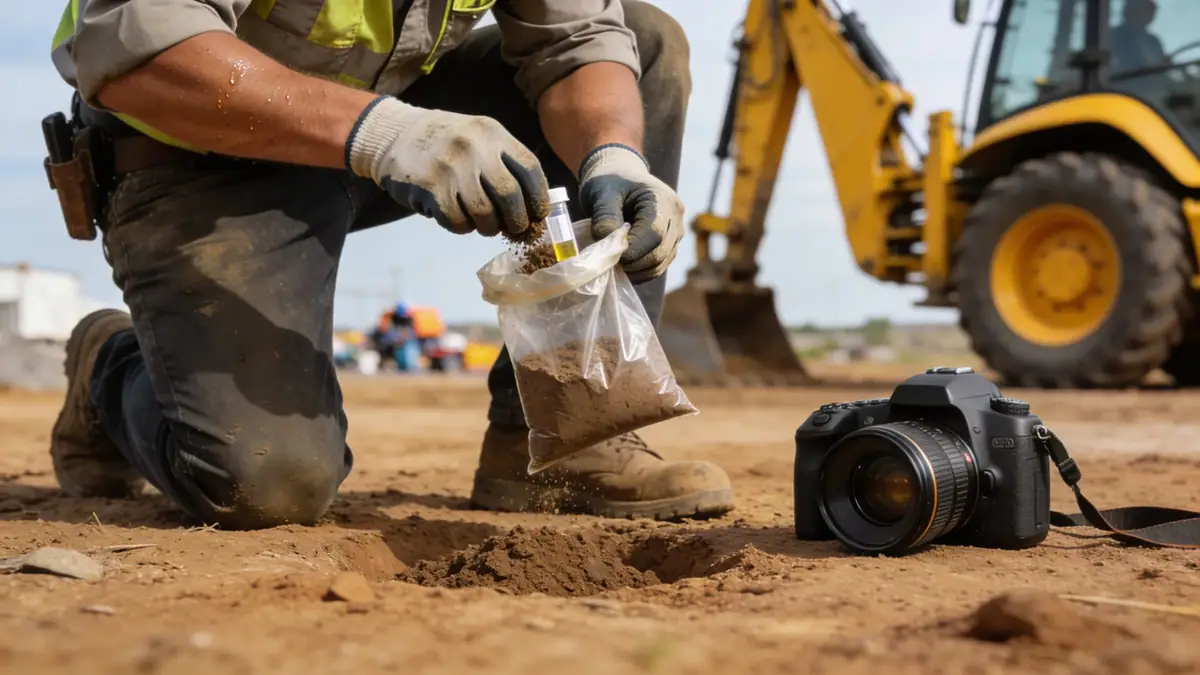
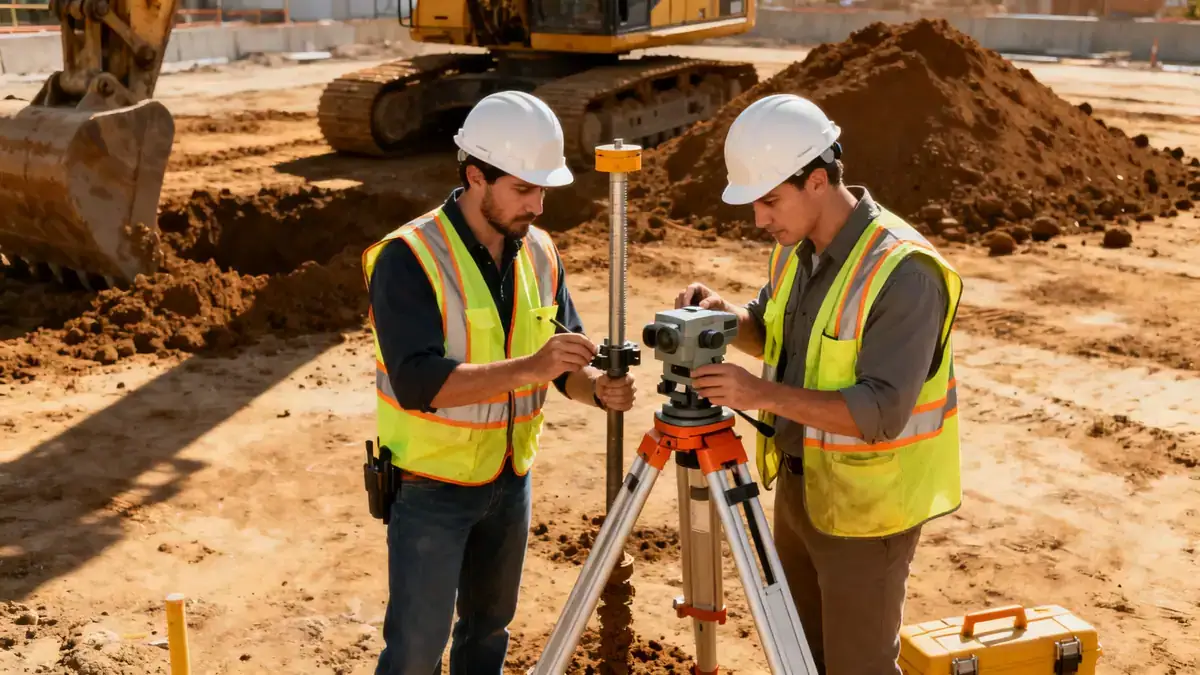
Our methodology for geotechnical engineering in Cary North Carolina begins with a comprehensive review of existing geological maps and subsurface data from nearby projects. We then conduct field investigations, including spt boring at intervals of 1.0 to 1.5 meters per ASTM D1586, to obtain N60 values that characterize soil strength. Soil samples are classified using the Unified Soil Classification System (USCS) in our soil mechanics laboratory, where we perform index tests such as Atterberg limits and grain size analysis. For projects requiring slope stability or retaining wall design, we incorporate advanced shear strength testing and groundwater monitoring. Our team integrates these data into site-specific recommendations, ensuring compliance with local codes and optimizing foundation performance.
Reference Technical Parameters
| Parameter | Reference Value |
|---|---|
| Predominant soil type | Silty sand (SM) and clayey sand (SC) with saprolite |
| Maximum seismic acceleration (PGA) | 0.10g (ASCE 7, Seismic Design Category B) |
| Typical groundwater level | 10–20 ft (3–6 m) below ground surface |
| Bedrock depth | 20–50 ft (6–15 m) to metamorphic bedrock (gneiss/schist) |
| Typical N60 range (SPT) | 10–30 blows/ft for residual soils; >50 for saprolite |
Local Considerations — Cary North Carolina
Cary's geology is dominated by the Piedmont physiographic province, characterized by deep saprolite and residual soils overlying metamorphic bedrock. Our team considers five key factors: (1) Soil variability—clayey sands (SM-SC) and silty sands (SM) are common, with N60 values ranging from 10 to 30 blows per foot. (2) Groundwater—typically encountered at depths of 10 to 20 feet, influenced by seasonal rainfall and topography. (3) Seismic hazard—Cary lies in seismic design category B per ASCE 7, with a peak ground acceleration (PGA) of 0.10g. (4) Neighborhood contrasts—older downtown areas may have fill soils, while newer subdivisions often feature undisturbed residual profiles. (5) Typical issues—shrink-swell potential in clay-rich zones and erosion of steep slopes. For projects requiring specialized analysis, our team coordinates with our slope stability and retaining wall design services. Our headquarters in Philadelphia provides additional regional support; learn more about geotechnical engineering en Philadelphia.
Request a Quote
Our team reviews your project and issues an initial report at no cost.
Or write us directly at [email protected]
Services in Cary North Carolina
Applicable Standards
- ASTM D1586 (Standard Penetration Test)
- ASCE 7 (Minimum Design Loads for Buildings)
- North Carolina Building Code (IBC 2021 based)
- ASTM D2487 (Classification of Soils for Engineering Purposes)
- ASTM D4318 (Atterberg Limits)
Frequently Asked Questions
What soil types are common in Cary, North Carolina?
Cary is underlain by Piedmont residual soils, primarily silty sands (SM) and clayey sands (SC) with varying amounts of saprolite. These soils are derived from in-place weathering of metamorphic bedrock and exhibit moderate to high strength, but shrink-swell potential can occur in clay-rich zones.
Is seismic design required for projects in Cary?
Yes, per ASCE 7, Cary falls into Seismic Design Category B with a peak ground acceleration of 0.10g. While seismic risk is low, the North Carolina Building Code mandates site-specific evaluations for certain structures, including soil liquefaction and slope stability assessments.
Are geotechnical investigations mandatory for new construction in Cary?
While not always legally required for single-family homes, most commercial and multi-family projects in Cary necessitate a geotechnical report to satisfy building permit requirements. Lenders and insurers often require such studies to mitigate risk, especially in areas with variable soil conditions.