Methodology
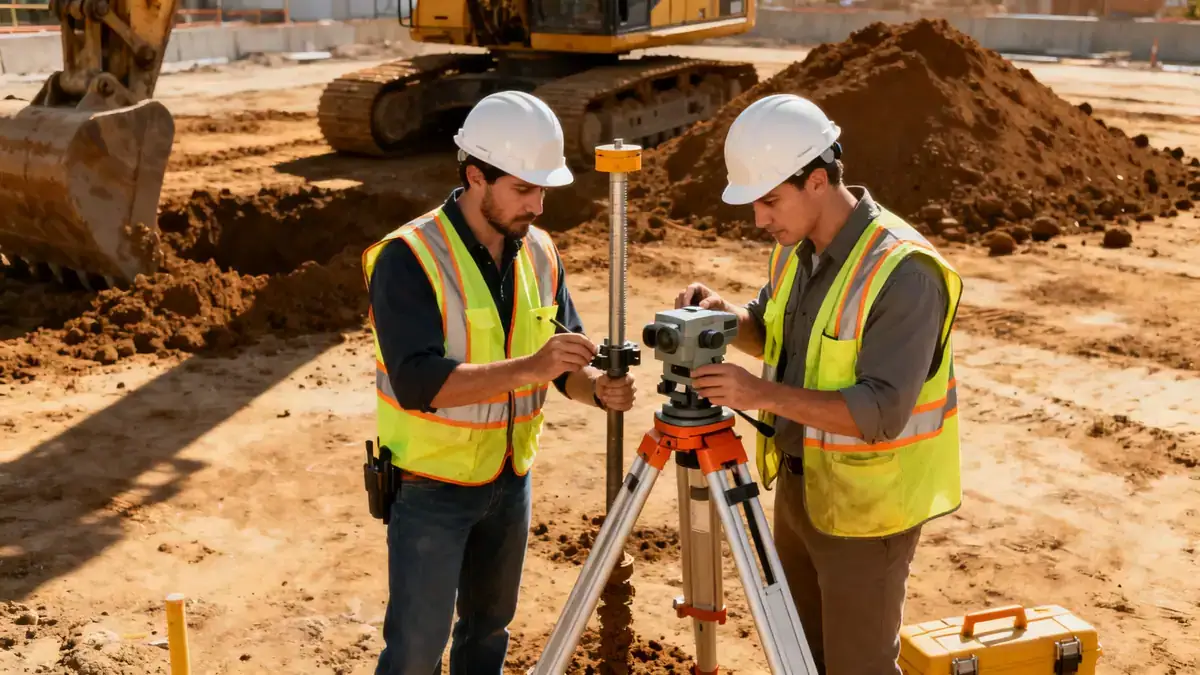
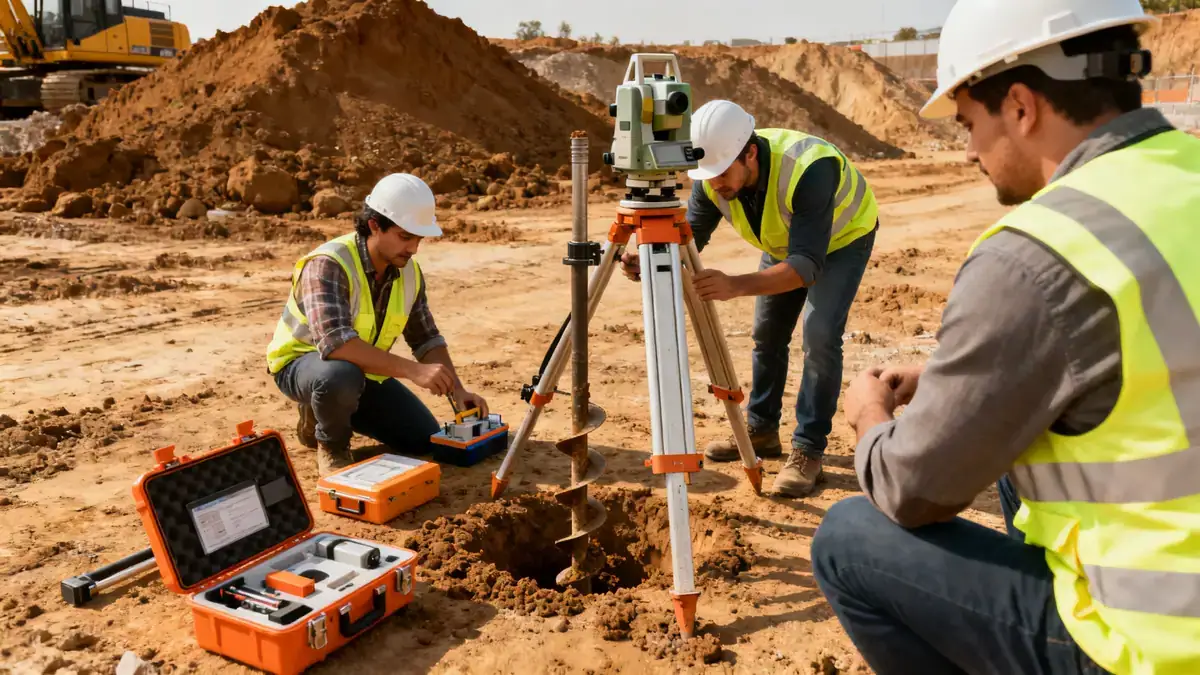
Our approach to geotechnical engineering in Trenton, New Jersey, begins with a thorough site investigation using spt boring to characterize subsurface conditions. We integrate field data with laboratory testing per ASTM D1586 to determine soil strength, compressibility, and groundwater conditions. Our methodology includes seismic hazard assessment per ASCE 7-16, slope stability analysis, and foundation recommendations tailored to Trenton's variable soil profiles. We prioritize clear communication and rigorous quality control throughout every project phase.
Reference Technical Parameters
| Parameter | Reference Value |
|---|---|
| Predominant soil type | Silty sand and clay with gravel (glacial till) |
| Typical groundwater depth | 3–6 meters below surface |
| Maximum seismic acceleration (PGA) | 0.15g–0.20g (ASCE 7-16) |
| Bedrock depth | 10–30 meters (Triassic sedimentary rock) |
| Typical N60 range (SPT) | 5–30 blows/0.3m (variable) |
Local Considerations — Trenton New Jersey
Trenton's geology is characterized by glacial till overlying the Lockatong Formation and Passaic Formation, creating variable bearing capacities and settlement potential. The city's proximity to the Delaware River results in shallow groundwater and floodplain deposits. Seismic design follows ASCE 7-16, with Site Class C or D typically assigned. Our soil mechanics laboratory provides site-specific index properties, strength, and consolidation data critical for foundation design. For projects in Trenton, we also consider the influence of historic fill and urban infrastructure, ensuring robust geotechnical recommendations that align with local building codes and sustainability goals. Our team in geotechnical engineering en Philadelphia supports regional projects seamlessly.
Request a Quote
Our team reviews your project and issues an initial report at no cost.
Or write us directly at [email protected]
Services in Trenton New Jersey
Applicable Standards
- ASTM D1586 (Standard Penetration Test)
- ASCE 7-16 (Minimum Design Loads for Buildings and Other Structures)
- International Building Code (IBC) 2021
- New Jersey Uniform Construction Code (UCC)
- ASTM D2487 (Classification of Soils for Engineering Purposes)
Frequently Asked Questions
What are the typical soil conditions in Trenton, New Jersey?
Trenton is underlain by glacial till and alluvial deposits, consisting of silty sands, clays, and gravels. Groundwater is typically shallow, between 3 and 6 meters. Bedrock (Triassic sedimentary rock) lies at depths of 10 to 30 meters, requiring careful foundation design.
Is seismic design required for projects in Trenton?
Yes, Trenton is in Seismic Zone 2 per the IBC, with a peak ground acceleration of 0.15g–0.20g. Per ASCE 7-16, seismic analysis is required for most structures, including soil liquefaction assessment and site-specific response spectra for critical facilities.
Are geotechnical studies mandatory for construction in Trenton?
While not always legally required for minor structures, the New Jersey Uniform Construction Code strongly recommends geotechnical investigations for any building with foundations or earth retention. For commercial and multi-story projects, a geotechnical report is typically required by the local building department.