Methodology
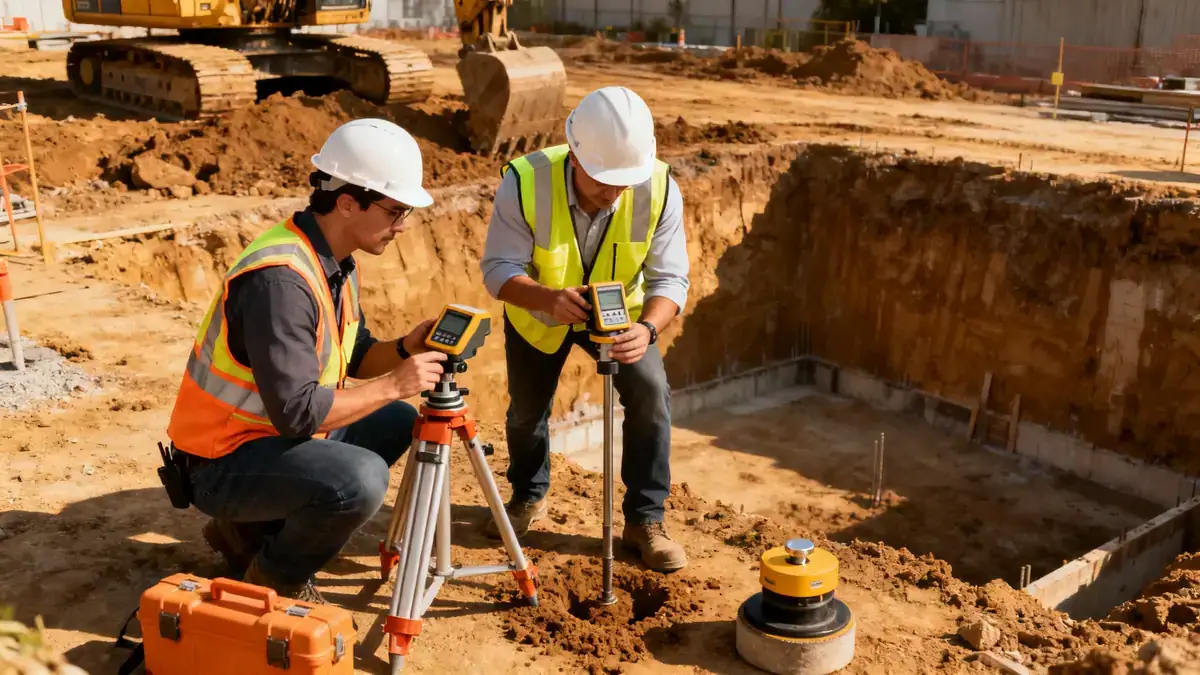
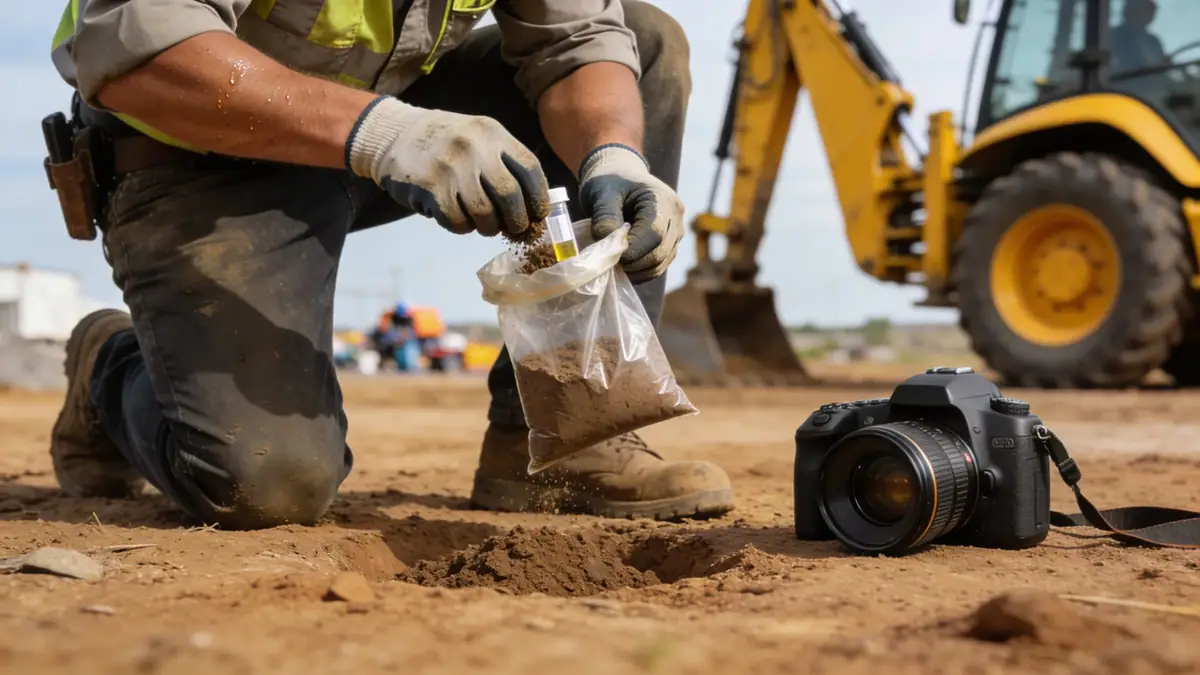
Our methodology for geotechnical engineering in Baltimore follows a systematic approach. We begin with a thorough review of existing geological maps and prior site investigations to identify potential hazards. Field exploration includes spt boring at intervals of 1.0–1.5 m per ASTM D1586, supplemented by undisturbed sampling for laboratory testing. Our team classifies soils according to the Unified Soil Classification System and evaluates engineering properties such as strength and compressibility. For seismic assessments, we determine site class per ASCE 7 and measure shear wave velocity when required. This integrated workflow ensures that our geotechnical recommendations are founded on site-specific data.
Reference Technical Parameters
| Parameter | Reference Value |
|---|---|
| Predominant soil type | Sandy silt, clay, and residual saprolite |
| Maximum seismic acceleration (PGA) | 0.15–0.25 g (ASCE 7 hazard maps) |
| Typical groundwater level | 3–8 m below grade |
| Bedrock depth | Variable; 5–30 m (Piedmont) to >50 m (Coastal Plain) |
| Typical N60 range | 4–30 blows/ft (SPT) |
Local Considerations — Baltimore
Baltimore's geology is shaped by the Fall Line, dividing the Piedmont region (residual soils, shallow rock) from the Coastal Plain (thick sedimentary deposits). Our team encounters variable soil types across neighborhoods: clay-rich soils in downtown areas, sandy deposits near the Inner Harbor, and saprolite in northern suburbs. Groundwater levels fluctuate seasonally, affecting excavation stability. Seismic design follows ASCE 7 with site-specific acceleration values. Common challenges include slope stability along coastal bluffs and foundation design on compressible clays. For a broader regional context, see our geotechnical engineering en Philadelphia hub.
Request a Quote
Our team reviews your project and issues an initial report at no cost.
Or write us directly at [email protected]
Services in Baltimore
Applicable Standards
- ASTM D1586
- ASCE 7
- Baltimore City Building Code
- IBC 2021
Frequently Asked Questions
What are the typical soil conditions in Baltimore?
Baltimore sits on the Fall Line, so soils vary from residual saprolite and rock in the north to deep sands and clays in the south. Our team performs site-specific explorations to characterize these conditions for foundation design.
Is seismic analysis required for projects in Baltimore?
Yes, Baltimore is in a moderate seismic zone per ASCE 7. Peak ground accelerations range from 0.15 to 0.25 g, and site classification is mandatory for commercial structures. Our firm provides seismic assessments as part of our geotechnical services.
When is a geotechnical investigation mandatory in Baltimore?
Baltimore City requires geotechnical reports for most new construction and major renovations, especially for structures with deep foundations or in areas with known soil instability. Our team helps clients navigate these requirements efficiently.