Methodology
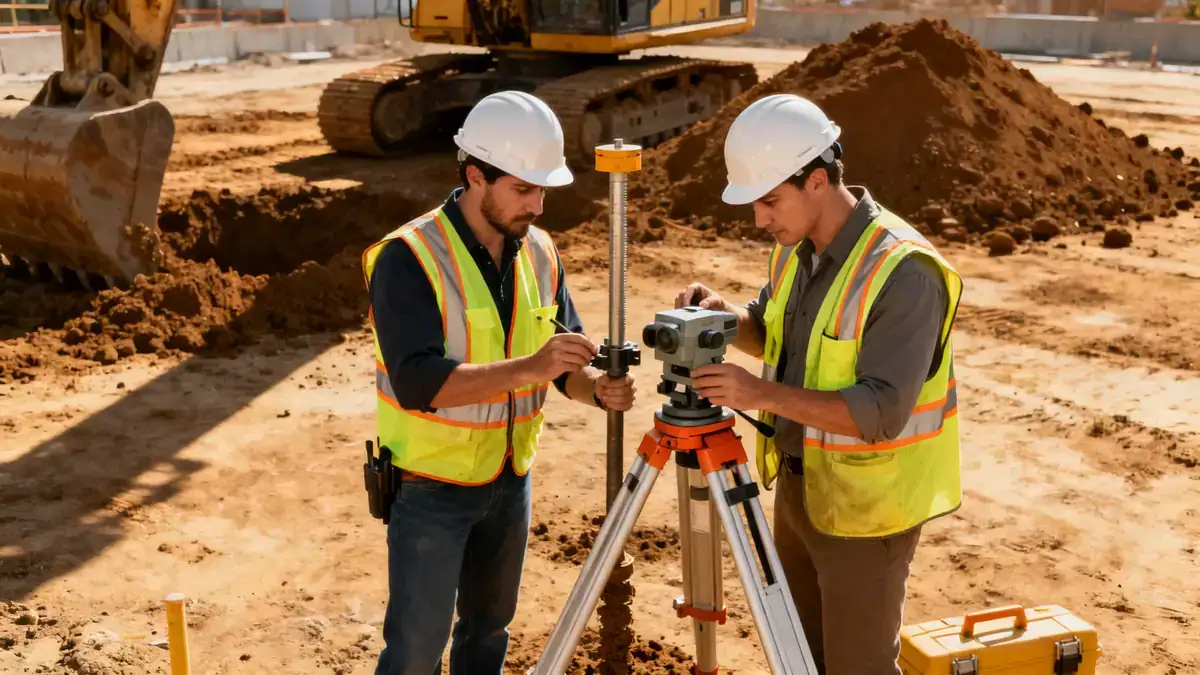
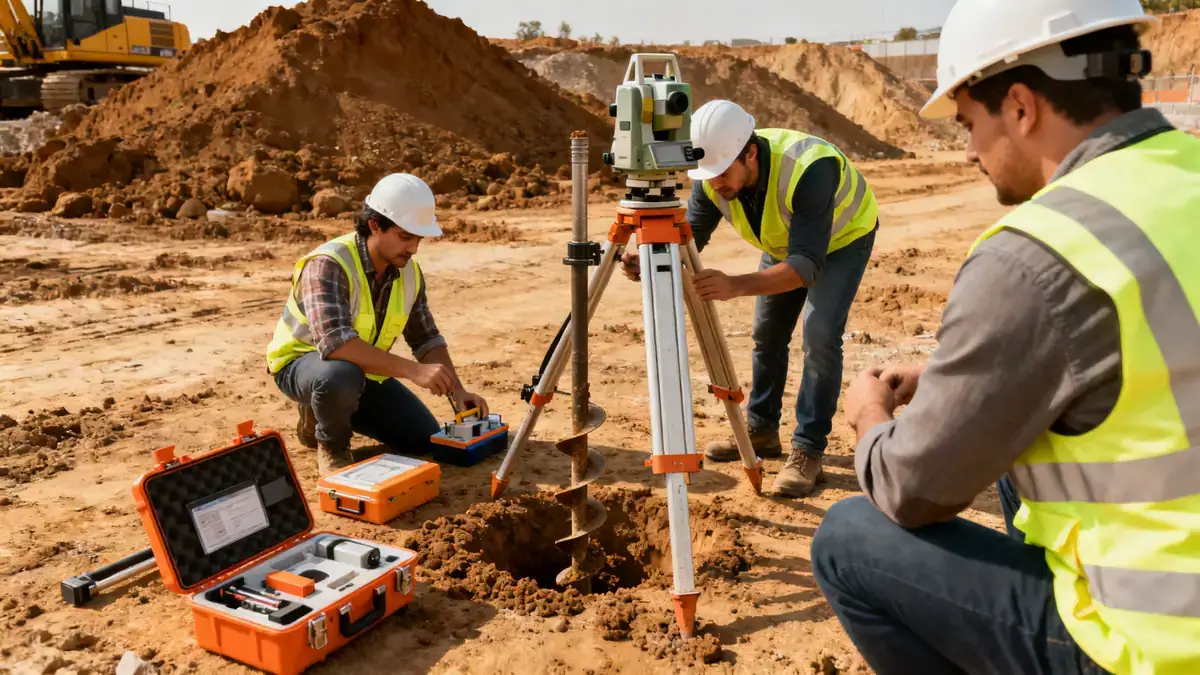
Our methodology for Norfolk projects begins with a thorough review of existing geological maps and historical records, followed by field investigations tailored to site-specific conditions. We employ spt boring to obtain disturbed and undisturbed soil samples at regular intervals, typically every 1.5 m, in accordance with ASTM D1586. Samples are transported to our soil mechanics laboratory for classification, strength, and consolidation testing. This integrated approach ensures that design parameters reflect the actual behavior of Norfolk’s soils under expected loading conditions.
Reference Technical Parameters
| Parameter | Reference Value |
|---|---|
| Predominant soil type | Silty sands and clays, with occasional peat layers |
| Typical N60 range (SPT) | 4 to 15 blows/ft in upper 6 m; increasing to 20–30 below |
| Groundwater depth | 1.5 to 3.0 m below grade, varying seasonally |
| Bedrock depth | Greater than 30 m (deep coastal plain sediments) |
| Maximum seismic acceleration (PGA) | 0.15g (ASCE 7 Site Class D typical) |
Local Considerations — Norfolk
Norfolk’s geology is dominated by Atlantic Coastal Plain sediments, including Pleistocene sands and clays overlying deeper Tertiary formations. The water table is shallow, often within 2 m of the surface, necessitating dewatering considerations for excavations. Seismic design follows ASCE 7, with Site Class D prevalent due to soft soil profiles. Significant variability exists between neighborhoods: Ocean View features loose sands prone to liquefaction, while Ghent’s stiff clays provide better bearing capacity. Our team has addressed challenges such as differential settlement on filled lots and slope stability along the Elizabeth River.
Request a Quote
Our team reviews your project and issues an initial report at no cost.
Or write us directly at [email protected]
Services in Norfolk
Applicable Standards
- ASTM D1586 (Standard Test Method for Standard Penetration Test)
- ASCE 7 (Minimum Design Loads and Associated Criteria for Buildings)
- ASTM D2487 (Unified Soil Classification System)
- Virginia Uniform Statewide Building Code (USBC)
- ASTM D2435 (One-Dimensional Consolidation Properties of Soils)
Frequently Asked Questions
What are the common soil types encountered in Norfolk?
Norfolk’s soils are primarily silty sands and clays of the Coastal Plain, with occasional organic layers or peat in low-lying areas. These materials are generally compressible and require careful evaluation for foundation support.
Is seismic design required for projects in Norfolk?
Yes, the Virginia USBC adopts ASCE 7, which classifies Norfolk as a moderate seismic region. Peak ground acceleration of 0.15g and Site Class D (soft soil) are typical, requiring seismic analysis for most structures.
Are geotechnical studies mandatory for new construction in Norfolk?
While not always legally mandated for single-family homes, most commercial and multi-story projects require a geotechnical report to satisfy building permit requirements and lender due diligence. Local codes often recommend subsurface investigations for any structure.