
Methodology
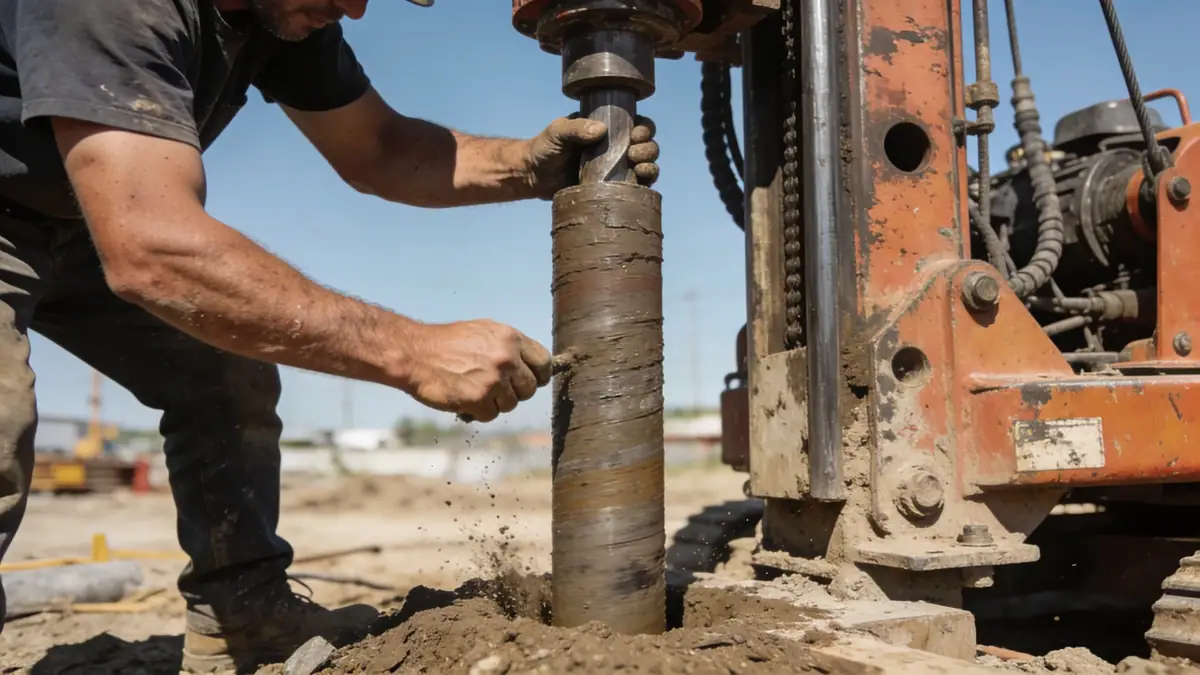
Our approach to geotechnical engineering in Chesapeake begins with a comprehensive review of existing geological maps and prior site data. We then deploy a tailored field investigation program, which may include spt boring to obtain disturbed and undisturbed samples at regular intervals, typically every 1.5 m per ASTM D1586. In situ testing is complemented by advanced soil mechanics laboratory analyses, such as grain size distribution, Atterberg limits, and direct shear tests under consolidated-drained conditions. This integrated methodology allows us to characterize the subsurface stratigraphy accurately and develop design parameters that reflect the true behavior of the soil under expected loading.
Reference Technical Parameters
| Parameter | Reference Value |
|---|---|
| Predominant soil type | Sandy loam and clayey silt with organic layers |
| Maximum seismic acceleration (PGA) | 0.15 g (ASCE 7-16, Site Class D) |
| Typical groundwater level | 1.5–3.0 m below grade |
| Bedrock depth | > 30 m (deep Coastal Plain sediments) |
| Typical N60 range | 4–15 blows/ft (loose to medium dense sands) |
Local Considerations — Chesapeake
Chesapeake lies within the Atlantic Coastal Plain, characterized by unconsolidated sediments overlying deep Cretaceous bedrock. The region's high water table and presence of organic soils (e.g., peat) pose challenges for shallow foundations and require careful drainage design. Seismic hazard is moderate (ASCE 7 Site Class D), with peak ground accelerations around 0.15 g, necessitating liquefaction susceptibility assessments in loose sands. Our team has extensive experience navigating these conditions, from residential subdivisions to commercial developments. For projects requiring specialized expertise beyond our Chesapeake base, we coordinate with our geotechnical engineering en Philadelphia hub to deliver consistent quality across the Mid-Atlantic.
Request a Quote
Our team reviews your project and issues an initial report at no cost.
Or write us directly at [email protected]
Services in Chesapeake
Applicable Standards
- ASTM D1586 (Standard Penetration Test)
- ASCE 7-16 (Minimum Design Loads for Buildings)
- IBC 2021 (International Building Code)
Frequently Asked Questions
What are the predominant soil types in Chesapeake for foundation design?
Chesapeake's soils are primarily sandy loams and clayey silts, with occasional organic layers and peat deposits near wetlands. These soils are generally compressible and require careful bearing capacity evaluation. Groundwater is often shallow, so dewatering and waterproofing are common considerations.
Is seismic design required for structures in Chesapeake?
Yes, according to ASCE 7-16, Chesapeake falls within a moderate seismic zone with a peak ground acceleration of about 0.15 g for Site Class D. This requires seismic analysis for most buildings, including liquefaction potential assessments in loose, saturated sands.
Are geotechnical investigations mandatory for new construction in Chesapeake?
While not explicitly mandated by all local jurisdictions, most building departments require a geotechnical report for commercial structures and large residential projects. The IBC 2021 recommends subsurface investigations for any building with a foundation. Our team advises always performing a site-specific study to mitigate risk.