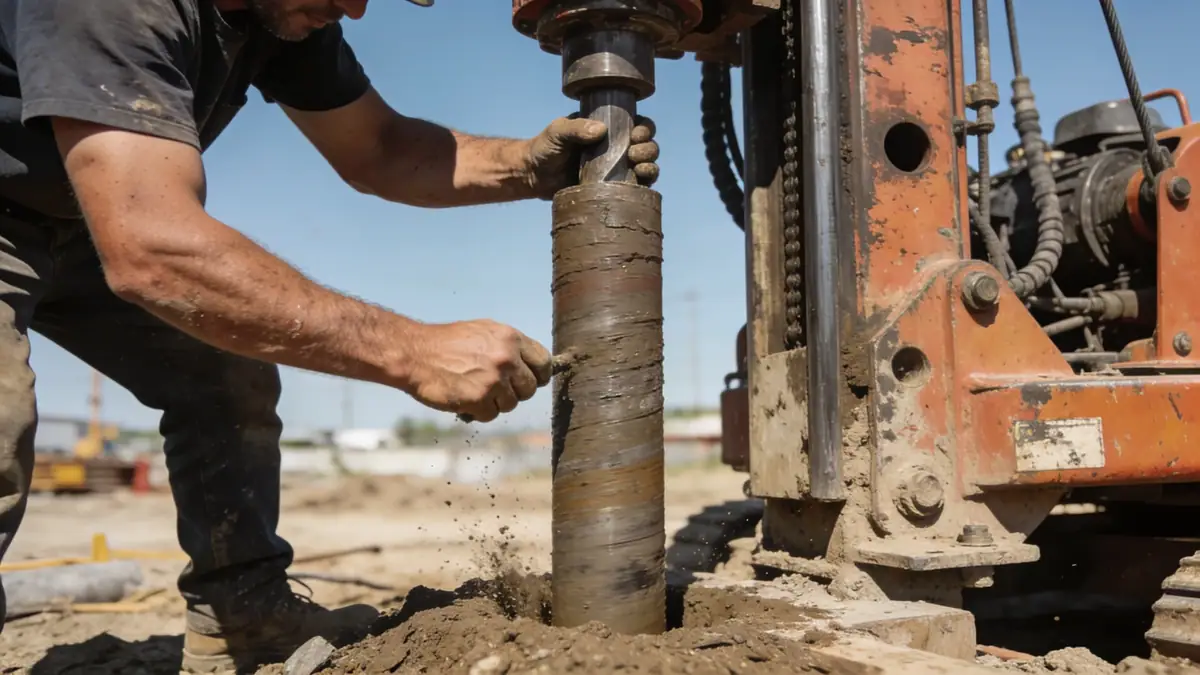
Methodology
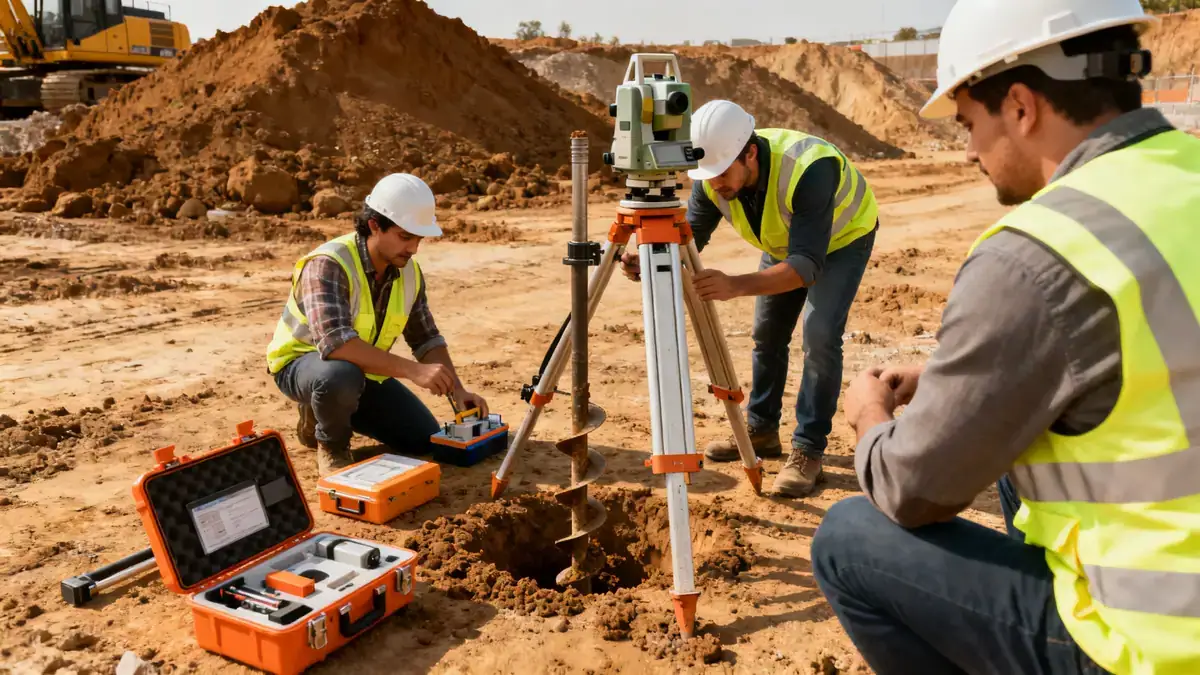
Our methodology for geotechnical engineering in Buffalo follows a systematic approach aligned with industry best practices. We begin with a thorough review of existing geological maps and records, followed by field exploration programs that may include spt boring to characterize subsurface stratigraphy. Sampling intervals and depths are determined based on project requirements, with standard penetration tests conducted per ASTM D1586. Laboratory testing on recovered samples provides index properties and strength parameters. All data is integrated into a geotechnical model that supports foundation design, slope stability assessments, and earthwork recommendations. This rigorous process ensures that our analyses are defensible and site-specific.
Reference Technical Parameters
| Parameter | Reference Value |
|---|---|
| Predominant soil type | Glacial till and lacustrine silts/clays |
| Maximum seismic acceleration (PGA) | 0.15g to 0.20g (ASCE 7-16) |
| Typical groundwater level | 3 to 8 feet below grade |
| Bedrock depth | 20 to 80 feet (shale/limestone) |
| Typical N60 range | 5 to 30 blows per foot |
Local Considerations — Buffalo
Buffalo's subsurface is dominated by glacial till and lacustrine deposits overlying Devonian bedrock. The till often contains cobbles and boulders, complicating drilling and excavation. Groundwater is typically shallow, requiring dewatering considerations for deep excavations. Seismic design follows ASCE 7-16 with moderate PGA values. Soils in older industrial areas may exhibit contamination, necessitating environmental coordination. Our team also leverages expertise from geotechnical engineering en Philadelphia to bring best practices to Buffalo projects. We emphasize thorough site characterization to mitigate risks associated with variable soil conditions and urban fill.
Request a Quote
Our team reviews your project and issues an initial report at no cost.
Or write us directly at [email protected]
Services in Buffalo
Applicable Standards
- ASTM D1586 (Standard Penetration Test)
- ASCE 7-16 (Minimum Design Loads for Buildings)
- NYSDEC Remedial Programs
- International Building Code (IBC)
Frequently Asked Questions
What are the typical soil conditions in Buffalo for geotechnical engineering projects?
Buffalo's soils are primarily glacial till and lacustrine silts and clays, often with cobbles and boulders. Bedrock (shale/limestone) lies at depths of 20 to 80 feet. Groundwater is shallow (3-8 feet). These conditions require careful evaluation for foundation design and excavation support.
What seismic design criteria apply to geotechnical engineering in Buffalo?
Buffalo falls under moderate seismic hazard per ASCE 7-16, with peak ground accelerations of 0.15g to 0.20g. Site-specific seismic analysis may be required for critical structures. Soil liquefaction potential is generally low but should be assessed for loose saturated sands.
Are geotechnical studies mandatory for construction projects in Buffalo?
While not always legally required, most local building codes and prudent design practice necessitate a geotechnical investigation for new structures, additions, or significant renovations. Lenders and insurers often require such studies to manage risk and ensure long-term performance.