Methodology
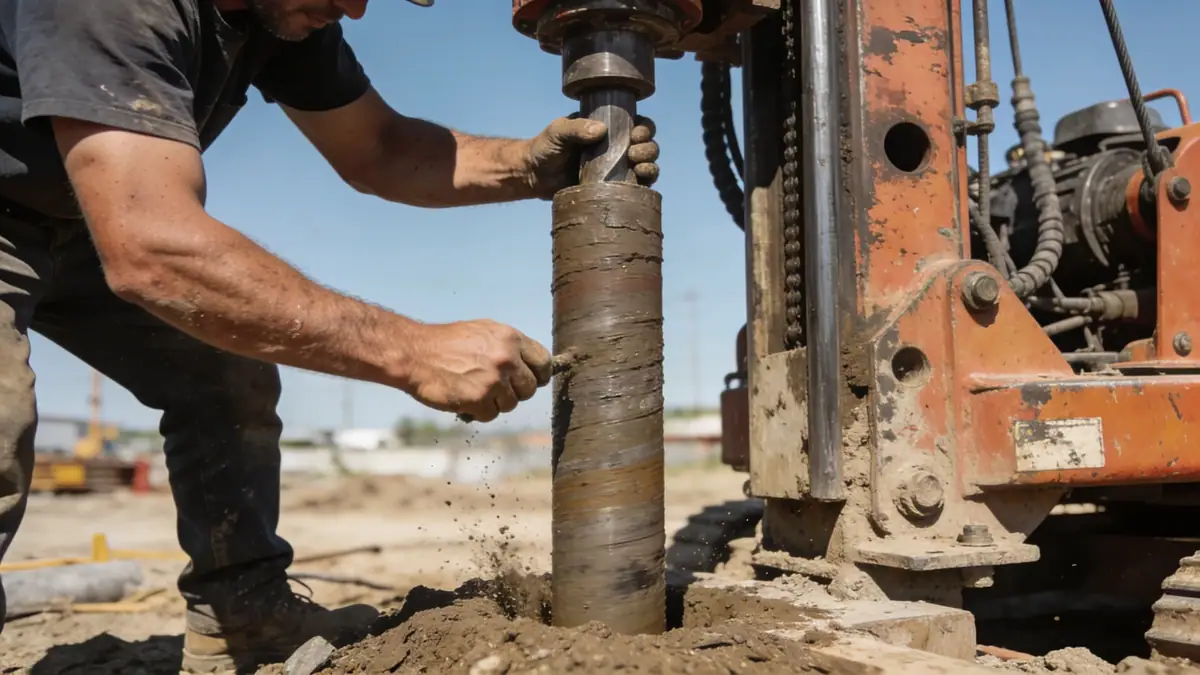
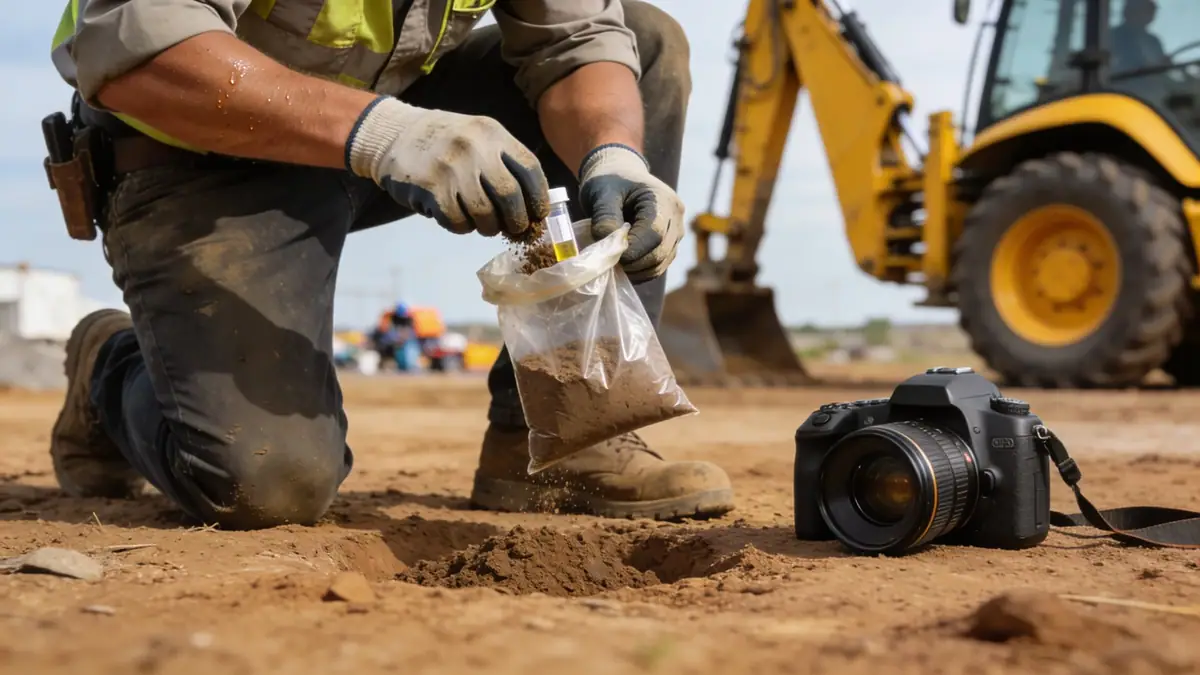
Our methodology for geotechnical engineering in Hampton Virginia integrates field exploration, laboratory testing, and numerical analysis. We perform spt boring at intervals of 1.5 m to capture stratigraphic variability, with N60 values ranging from 4 to 30 blows per foot in the predominant sands and clays. Groundwater levels are monitored using piezometers, and soil samples are tested for index properties, strength, and consolidation characteristics. Our approach complies with ASTM D1586 and local standards, ensuring robust data for foundation design, slope stability, and earthwork recommendations.
Reference Technical Parameters
| Parameter | Reference Value |
|---|---|
| Predominant soil type | Sand, silty sand, and clay (Quaternary alluvium) |
| Maximum seismic acceleration (PGA) | 0.20g (ASCE 7-16, Site Class D) |
| Typical groundwater level | 1.5 to 3.0 m below ground surface |
| Bedrock depth | 15 to 30 m (Cretaceous coastal plain sediments) |
| Typical N60 range | 4 to 30 blows per foot (SPT) |
Local Considerations — Hampton Virginia
Hampton Virginia lies within the Atlantic Coastal Plain, characterized by unconsolidated sediments overlying Cretaceous bedrock. The shallow groundwater table (1.5–3 m) requires dewatering considerations for excavations. Seismic hazard is moderate (PGA 0.20g per ASCE 7-16), with potential for liquefaction in loose saturated sands. Our team addresses these factors in every project, referencing our soil mechanics laboratory for advanced testing. Local conditions vary between downtown fill areas and suburban natural ground, requiring tailored site investigations for each parcel.
Request a Quote
Our team reviews your project and issues an initial report at no cost.
Or write us directly at [email protected]
Services in Hampton Virginia
Applicable Standards
- ASTM D1586 (Standard Penetration Test)
- ASCE 7-16 (Minimum Design Loads for Buildings and Other Structures)
- Virginia Uniform Statewide Building Code (USBC)
- ASTM D2487 (Classification of Soils for Engineering Purposes)
Frequently Asked Questions
What soil types are commonly encountered in Hampton Virginia?
Hampton's subsurface consists primarily of Quaternary alluvial sands, silty sands, and clays, underlain by Cretaceous coastal plain deposits. These soils exhibit moderate to low bearing capacity and high compressibility, necessitating detailed geotechnical investigation for foundation design.
What seismic design considerations apply in Hampton Virginia?
According to ASCE 7-16, Hampton falls within Seismic Design Category B with a peak ground acceleration of 0.20g. Site-specific response spectra may be required for critical structures. Liquefaction potential should be evaluated for loose saturated sands, especially near waterways.
Are geotechnical studies mandatory for construction in Hampton Virginia?
The Virginia USBC requires a geotechnical investigation for most commercial and multi-family residential projects. Single-family homes may not be legally mandated, but a site evaluation is strongly recommended due to variable soil conditions and high water table.