Methodology
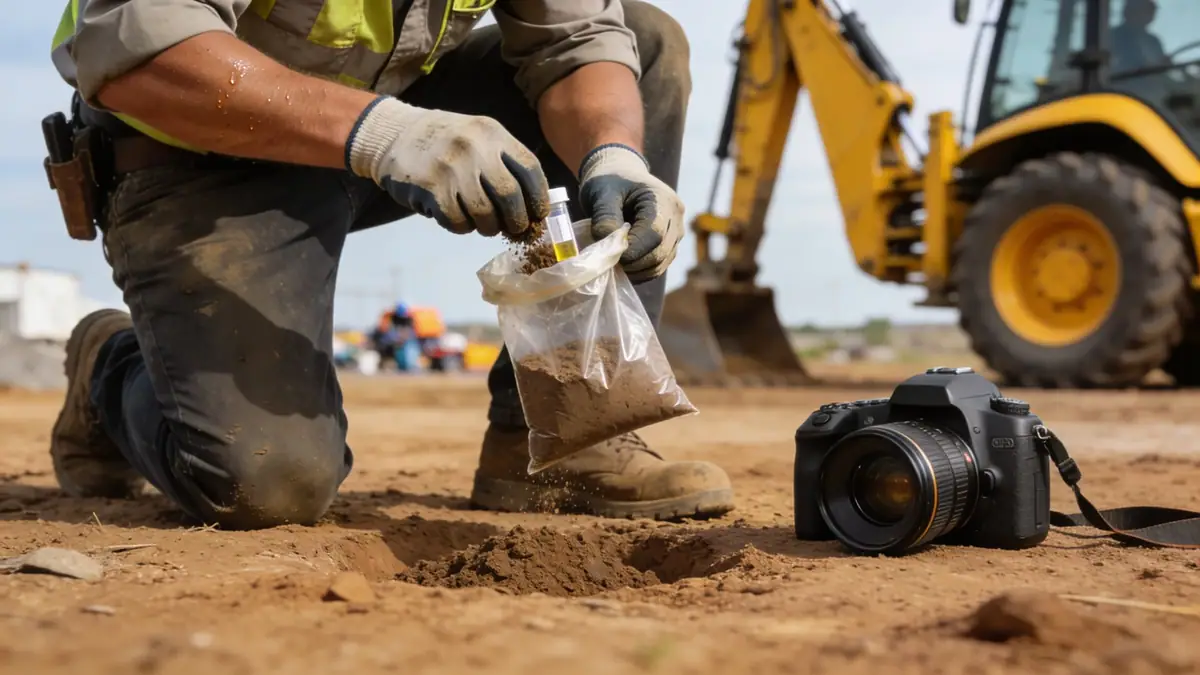
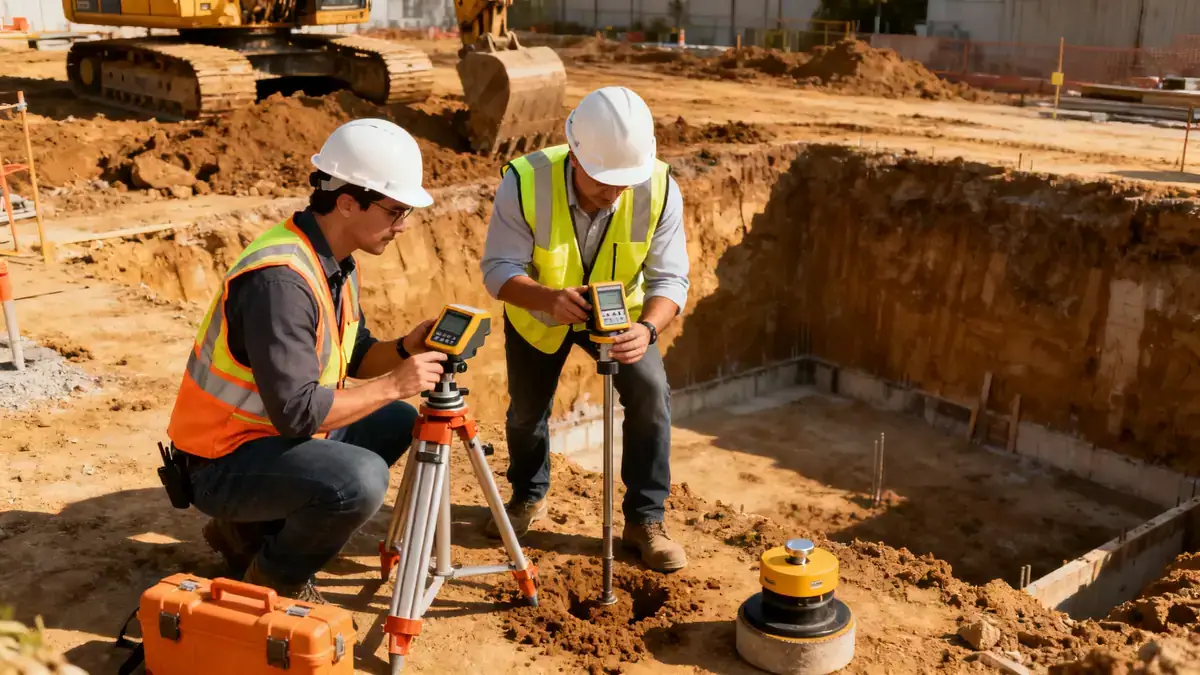
Our methodology for geotechnical engineering in Washington Dc begins with a comprehensive desk study of geological maps and historical records, followed by field investigations such as spt boring to collect soil samples at regular intervals. We adhere to ASTM D1586 for standard penetration tests, ensuring consistent data on soil resistance and stratification. Laboratory testing, including grain size analysis and Atterberg limits, complements field data to classify soils accurately. Our team then analyzes bearing capacity, settlement, and seismic site response using site-specific parameters. This systematic approach allows us to provide tailored recommendations for foundations, retaining walls, and earthworks, meeting the rigorous demands of Washington Dc’s urban environment.
Reference Technical Parameters
| Parameter | Reference Value |
|---|---|
| Predominant soil type | Sandy clay and silt with gravel layers |
| Maximum seismic acceleration (PGA) | 0.18g to 0.22g (ASCE 7-16) |
| Typical groundwater level | 3 to 6 meters below ground surface |
| Bedrock depth | 15 to 30 meters (schist and gneiss) |
| Typical N60 range (SPT) | 4 to 25 blows/0.3m |
Local Considerations — Washington Dc
Washington Dc’s geology features a mix of Coastal Plain sediments overlying Piedmont bedrock, creating variable soil conditions across the district. In downtown areas, fill and alluvial deposits often require deep foundations, while northwest neighborhoods may encounter shallow rock. Seismic design follows ASCE 7 with a PGA of 0.2g, necessitating site-specific response analysis for critical structures. Groundwater levels fluctuate seasonally, impacting excavation and foundation design. For comprehensive insights, our team offers services comparable to those provided by our geotechnical engineering en Philadelphia office, adapted to local conditions.
Request a Quote
Our team reviews your project and issues an initial report at no cost.
Or write us directly at [email protected]
Services in Washington Dc
Applicable Standards
- ASTM D1586
- ASCE 7-16
- IBC 2021
- DC Building Code (Title 12)
Frequently Asked Questions
What soil types are common in Washington Dc?
Washington Dc predominantly features sandy clay, silt, and gravelly deposits from the Coastal Plain, underlain by Piedmont schist and gneiss bedrock. Fill materials are common in urban areas, requiring careful evaluation for foundation design.
Is seismic analysis required for buildings in Washington Dc?
Yes, Washington Dc is in a moderate seismic zone with a PGA of 0.2g per ASCE 7. New buildings and major renovations must consider seismic site classification and potential liquefaction, especially in areas with deep soil deposits.
Are geotechnical studies mandatory for construction in Washington Dc?
While not always legally required for all projects, most local jurisdictions recommend or mandate geotechnical reports for structures with significant loads or complex soil conditions, as per the DC Building Code.