Methodology
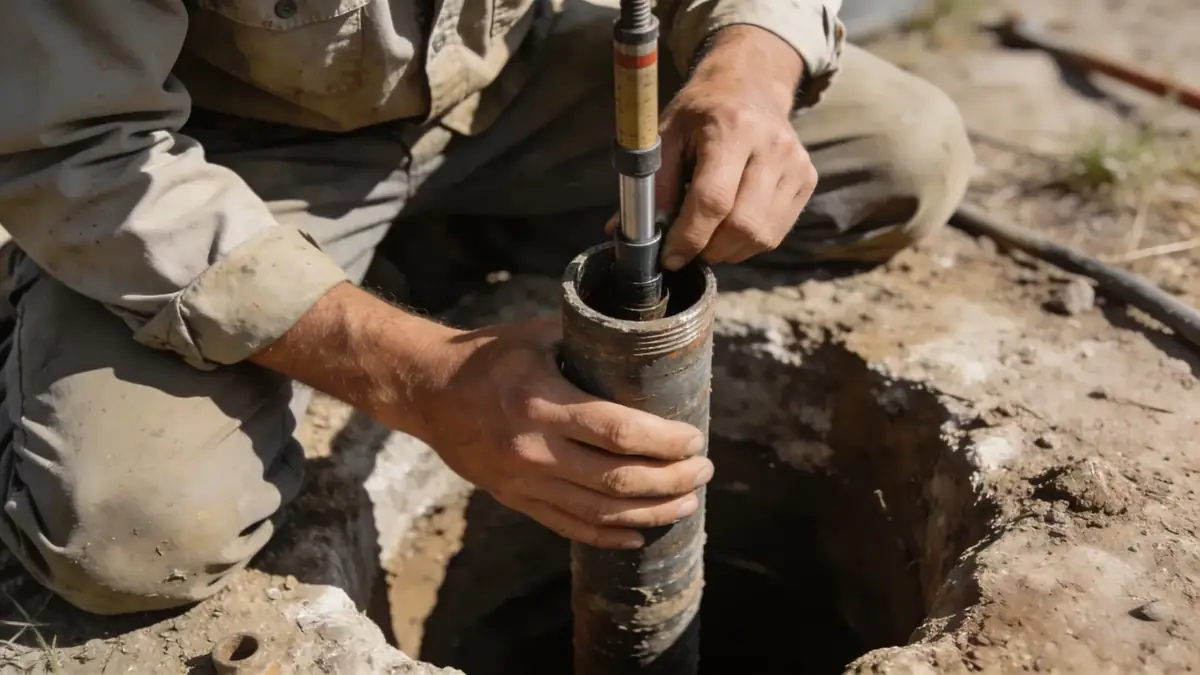
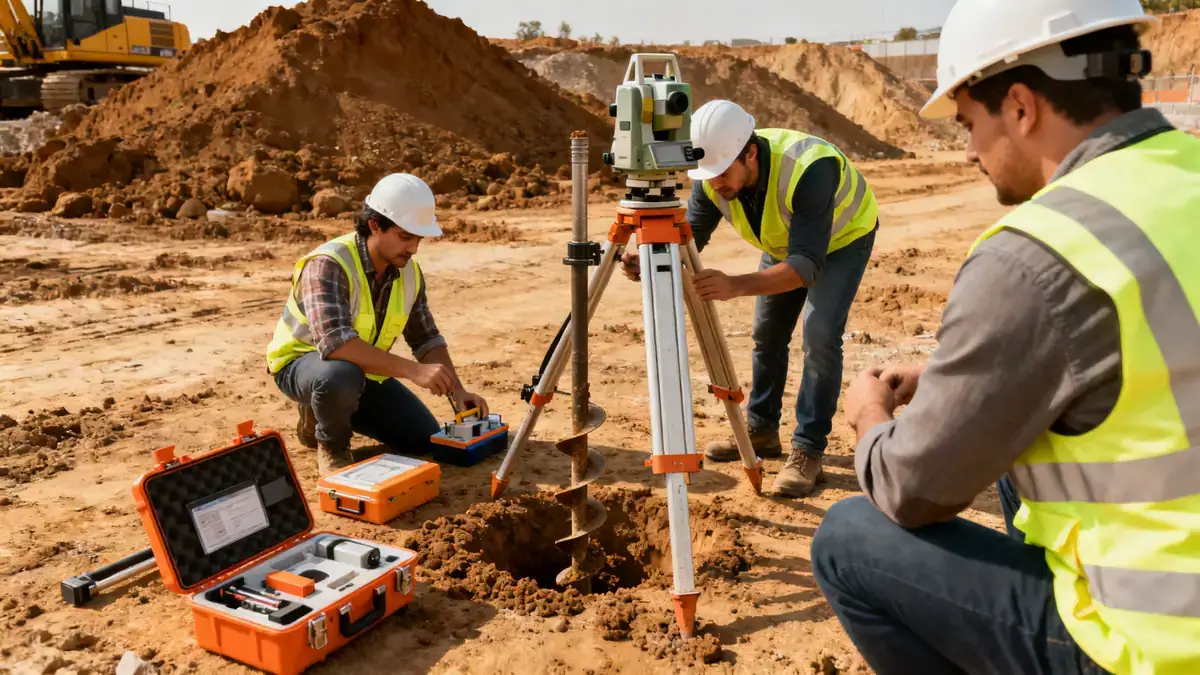
Our methodology for geotechnical engineering in Raleigh begins with a thorough review of available geologic maps and prior site data. We then conduct field investigations, including standard penetration testing (SPT) per ASTM D1586 to characterize soil strata and collect disturbed and undisturbed samples. Laboratory testing follows, with index properties, strength, and consolidation tests performed in our on-site soil mechanics laboratory. For slope stability and retaining wall design, we employ limit equilibrium and finite element analyses calibrated to local soil parameters. Each project is tailored to Raleigh's specific conditions, ensuring recommendations align with the observed subsurface profile. For detailed field procedures, see our spt boring services.
Reference Technical Parameters
| Parameter | Reference Value |
|---|---|
| Predominant soil type | Residual silty sands and clays (Piedmont), alluvial deposits (Coastal Plain) |
| Maximum seismic acceleration (PGA) | 0.10–0.15 g (ASCE 7-16, Site Class C–D) |
| Typical groundwater level | 3–10 m below grade, variable seasonally |
| Bedrock depth | 5–20 m (saprolite to weathered gneiss/granite) |
| Typical N60 range | 10–40 blows/0.3 m (residual soils); >50 in saprolite |
Local Considerations — Raleigh
Raleigh's geology spans the Piedmont and Coastal Plain provinces. Piedmont areas feature residual soils derived from crystalline bedrock, often with high plasticity clays and deep saprolite. To the east, Coastal Plain sediments include loose sands and soft clays with shallow groundwater. Seismic hazard is moderate; ASCE 7-16 maps indicate PGA of 0.10–0.15 g. Our team addresses these contrasts through tailored investigation plans, including deeper borings in Piedmont zones to reach bedrock and CPT soundings in Coastal Plain areas. For example, on a recent mixed-use project near Falls Lake, we encountered variable saprolite depths requiring soil mechanics laboratory analysis to optimize foundation design. Our experience spans urban infill and greenfield sites, ensuring robust geotechnical engineering in Raleigh. For broader context, our geotechnical engineering en Philadelphia operations complement our regional expertise.
Request a Quote
Our team reviews your project and issues an initial report at no cost.
Or write us directly at [email protected]
Services in Raleigh
Applicable Standards
- ASTM D1586 (Standard Penetration Test)
- ASCE 7-16 (Minimum Design Loads for Buildings and Other Structures)
- IBC 2018 (International Building Code)
- NC Building Code (based on IBC 2018)
Frequently Asked Questions
What are the typical soil types encountered in Raleigh?
Raleigh's soils are primarily residual silty sands and clays from weathered granite and gneiss in the Piedmont, with alluvial deposits of sands, silts, and clays in the Coastal Plain zone. Saprolite is common at depth.
Is a geotechnical investigation required for all construction in Raleigh?
Yes, the North Carolina Building Code requires a geotechnical investigation for most structures, especially those in Seismic Design Categories B or higher. Our team ensures compliance with site-specific recommendations.
How does seismic hazard affect foundation design in Raleigh?
Raleigh has moderate seismic hazard with PGA up to 0.15 g per ASCE 7-16. Site class and soil amplification are critical; liquefaction potential in Coastal Plain sands must be addressed for essential facilities.