Methodology
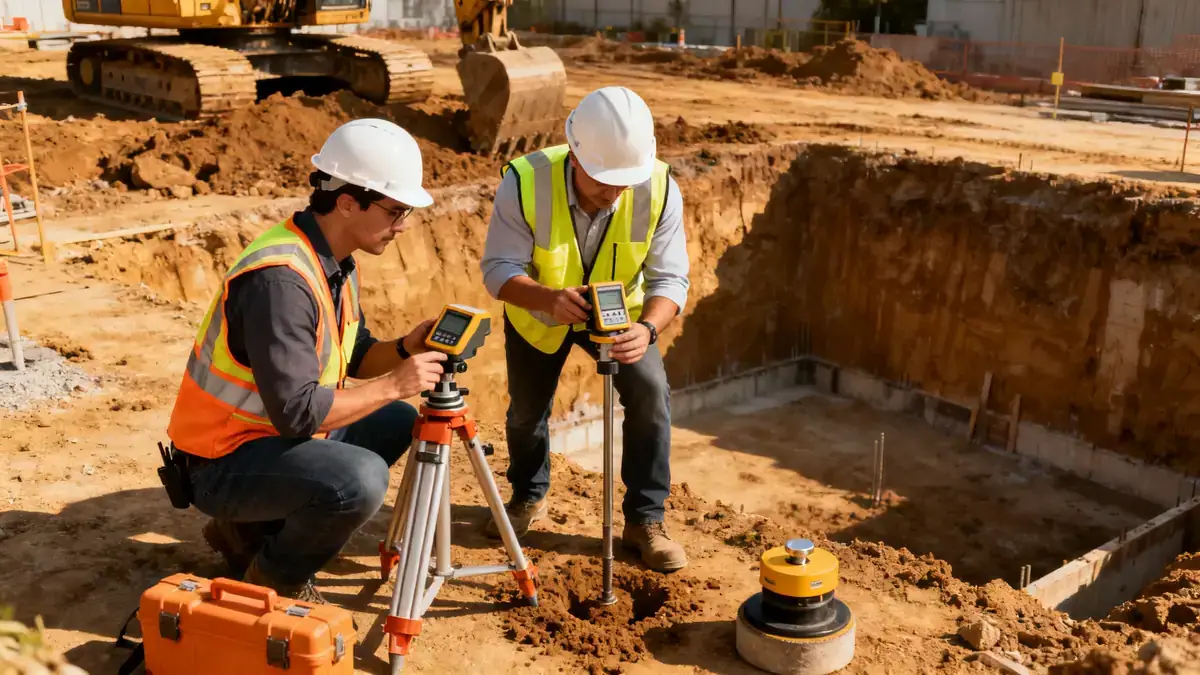
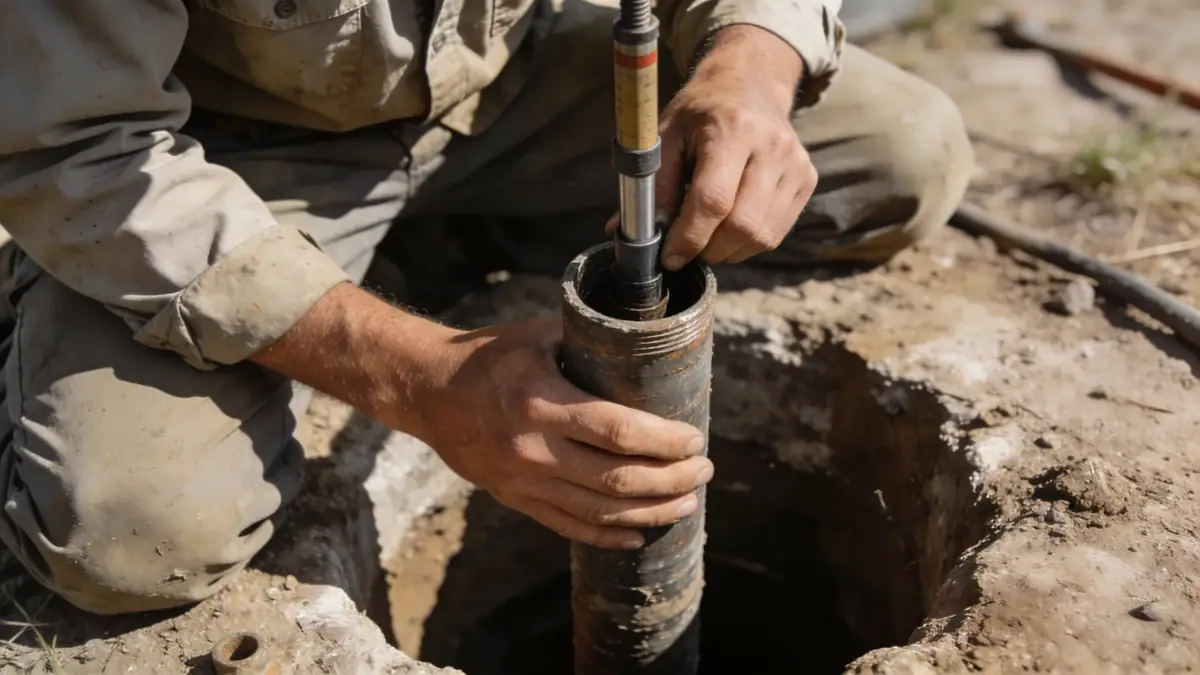
Our methodology for geotechnical engineering in Wilmington Delaware begins with a thorough review of existing geological data and site history. We then conduct subsurface investigations using techniques such as spt boring and other in-situ testing to characterize soil and rock conditions. Samples are analyzed in our soil mechanics laboratory to determine engineering properties. All work follows ASTM D1586 for standard penetration testing and other relevant standards. Data interpretation informs foundation design, slope stability assessments, and earthwork recommendations. Our integrated approach ensures that each project in Wilmington Delaware benefits from robust, data-driven solutions that address local challenges, including variable groundwater levels and seismic considerations.
Reference Technical Parameters
| Parameter | Reference Value |
|---|---|
| Predominant soil type | Silty sands and clays with gravel layers |
| Maximum seismic acceleration (PGA) | 0.2 g (ASCE 7-16) |
| Typical groundwater level | 3–6 m below ground surface |
| Bedrock depth | 10–25 m (Wissahickon Formation) |
| Typical N60 range | 4–30 blows/0.3 m |
Local Considerations — Wilmington Delaware
Wilmington Delaware sits within the Atlantic Coastal Plain, underlain by the Wissahickon Formation—a complex of schist, gneiss, and phyllite. Soils are predominantly silty sands and clays with variable gravel lenses. Groundwater is typically shallow (3–6 m), requiring dewatering considerations for deep excavations. Seismic hazard is moderate (PGA 0.2 g per ASCE 7-16), with site class C to D prevalent. Older urban fill and historic industrial activity can create localized contamination or debris, necessitating careful investigation. Our team integrates these factors into every project, leveraging regional experience from our geotechnical engineering en Philadelphia hub to provide robust solutions tailored to Wilmington's unique subsurface conditions.
Request a Quote
Our team reviews your project and issues an initial report at no cost.
Or write us directly at [email protected]
Services in Wilmington Delaware
Applicable Standards
- ASTM D1586 (Standard Penetration Test)
- ASCE 7-16 (Minimum Design Loads for Buildings)
- IBC 2021 (International Building Code)
- Delaware Department of Transportation (DelDOT) Standards
Frequently Asked Questions
What are the typical soil conditions in Wilmington Delaware for geotechnical engineering?
Soils in Wilmington Delaware generally consist of silty sands and clays overlying the Wissahickon Formation (schist, gneiss, phyllite). Groundwater is encountered at depths of 3 to 6 meters. These conditions influence foundation selection, requiring careful evaluation of bearing capacity and settlement.
Is seismic design required for projects in Wilmington Delaware?
Yes, Wilmington Delaware falls within a moderate seismic zone with a peak ground acceleration of 0.2 g per ASCE 7-16. Site-specific seismic analysis is recommended for essential facilities or structures on soft soils. Our team incorporates these requirements into geotechnical reports.
Are geotechnical studies mandatory for construction in Wilmington Delaware?
While not always legally mandated for all projects, geotechnical studies are standard practice for commercial and multi-family developments. Lenders and insurers often require them. The IBC 2021 recommends subsurface investigations to ensure structural safety and code compliance.