Methodology
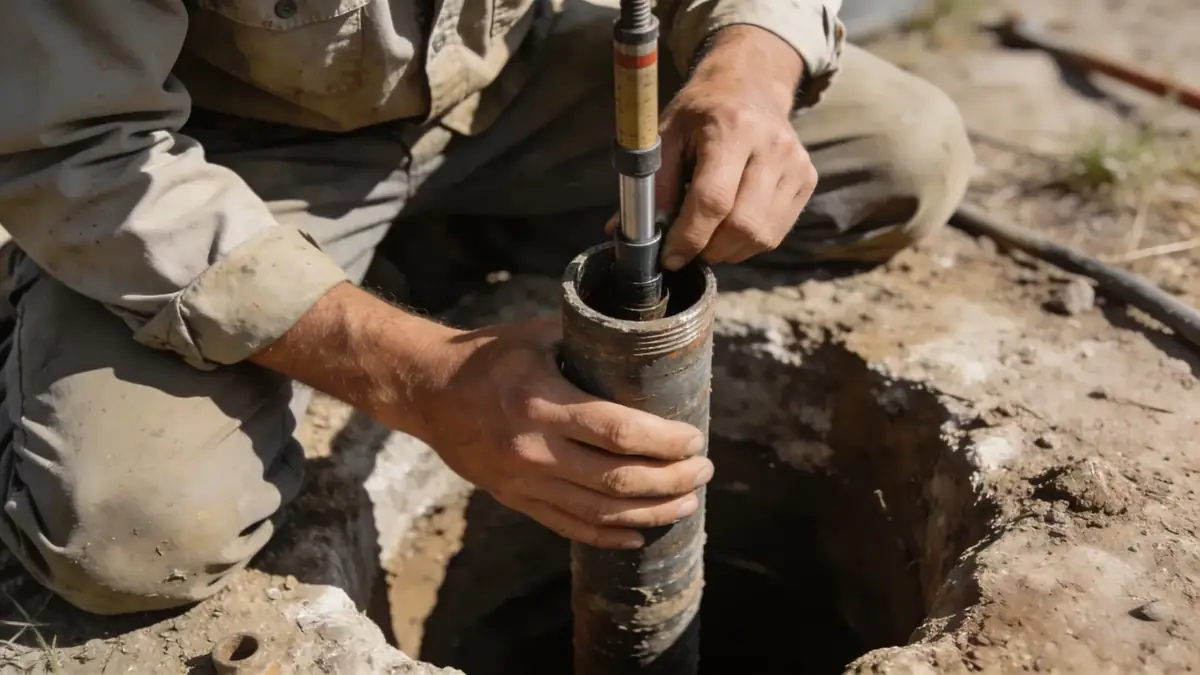
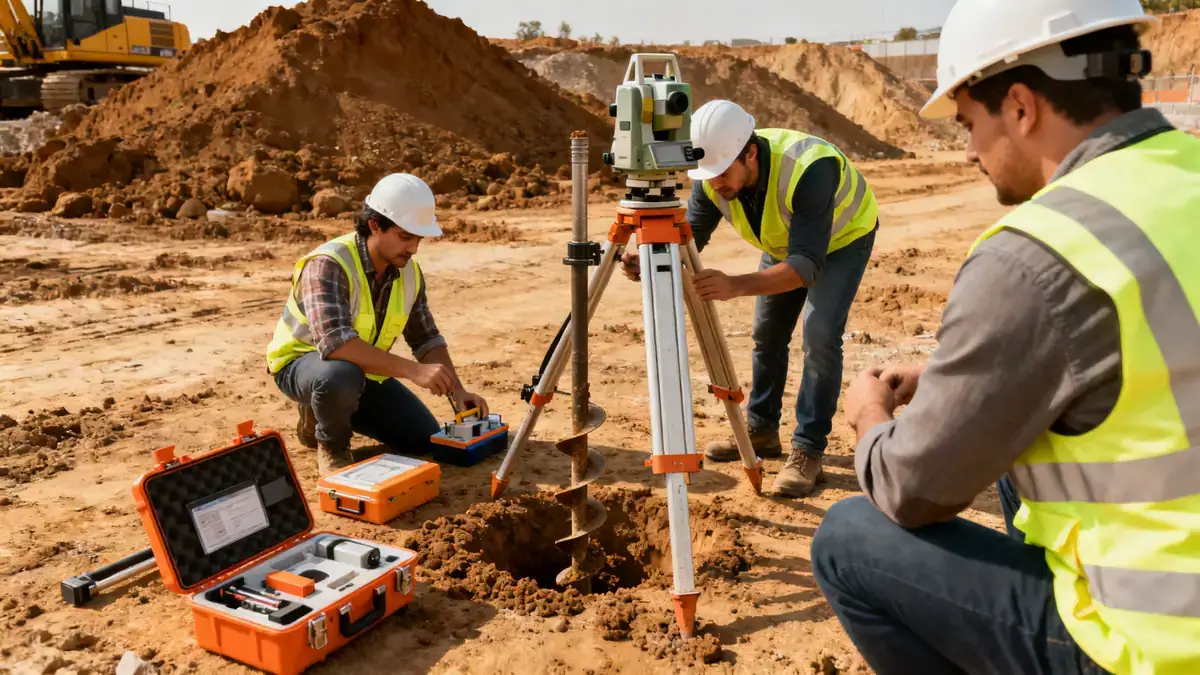
Our methodology in Visalia begins with a thorough review of existing geologic maps and nearby project records to identify potential hazards such as liquefaction, expansive soils, or shallow groundwater. We then design a subsurface exploration program tailored to the site, typically involving spt boring and soil sampling at strategic locations. Field work follows ASTM D1586 standards for standard penetration testing, with sampling intervals adjusted based on stratigraphy. Laboratory testing includes classification, strength, and consolidation tests to develop soil parameters for foundation design. We integrate our findings with site-specific seismic hazard analyses per ASCE 7 to provide actionable recommendations for shallow or deep foundations, slab-on-grade, and earthwork.
Reference Technical Parameters
| Parameter | Reference Value |
|---|---|
| Predominant soil type | Alluvial silty sands and clays (Holocene) |
| Maximum seismic acceleration (PGA) | 0.4g (Site Class D, ASCE 7-16) |
| Typical groundwater level | 3–6 m below ground surface (variable seasonally) |
| Bedrock depth | > 30 m (deep alluvial basin) |
| Typical N60 range (SPT) | 5–15 (upper 5 m), increasing to 20–40 at depth |
Local Considerations — Visalia
Visalia lies in the Tulare Basin, underlain by deep alluvial deposits from the Sierra Nevada. Soils are predominantly silty sands and clays with variable plasticity, often exhibiting moderate to high expansion potential. Shallow groundwater (3–6 m) can pose challenges for excavations and below-grade structures, requiring dewatering or drainage measures. Seismically, the region is influenced by the San Andreas and nearby faults, with Site Class D soils amplifying ground motions. Liquefaction potential is low to moderate in loose saturated sands near the Kaweah River. Typical projects include residential subdivisions and agricultural infrastructure, where our team applies local experience to optimize foundation solutions. For broader context, our geotechnical engineering en Los Angeles operations inform our understanding of California's diverse geologic conditions.
Request a Quote
Our team reviews your project and issues an initial report at no cost.
Or write us directly at [email protected]
Services in Visalia
Applicable Standards
- ASTM D1586 (Standard Penetration Test)
- ASCE 7-16 (Minimum Design Loads and Associated Criteria for Buildings and Other Structures)
- California Building Code (CBC) 2022
- ASTM D2487 (Classification of Soils for Engineering Purposes)
- ASTM D4318 (Atterberg Limits)
Frequently Asked Questions
What are the typical soil conditions in Visalia?
Visalia's soils are primarily alluvial silty sands and clays deposited by the Kaweah River. They can be medium to highly plastic, with moderate expansion potential. Groundwater is typically encountered between 3 and 6 meters depth, varying with season and irrigation.
Which seismic codes apply to geotechnical engineering in Visalia?
Projects in Visalia must comply with the California Building Code (CBC) based on ASCE 7-16. The site class is typically D (stiff soil), and the maximum considered earthquake spectral response acceleration (SMS) is determined using USGS data, often resulting in PGA values around 0.4g.
Is a geotechnical investigation mandatory for new construction in Visalia?
Yes, the California Building Code requires a geotechnical investigation for most new structures, especially those in Seismic Design Categories C, D, or E. Local jurisdictions in Tulare County also mandate soil reports for subdivisions and commercial buildings to address liquefaction, expansive soils, and bearing capacity.