Methodology
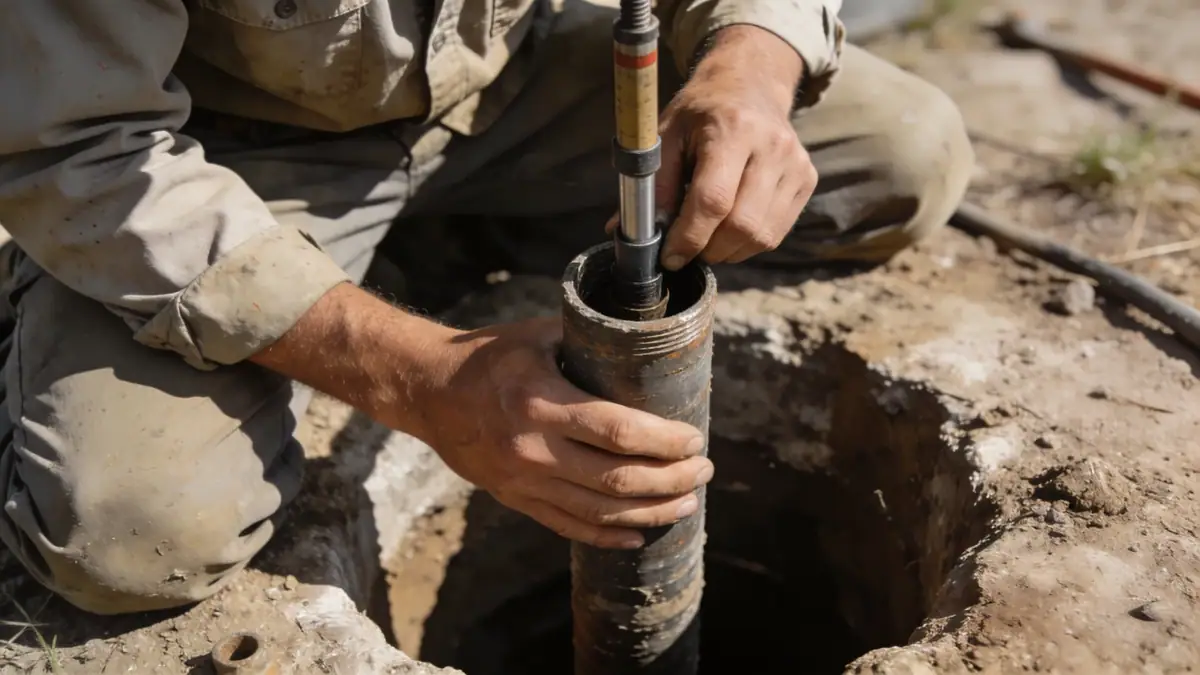
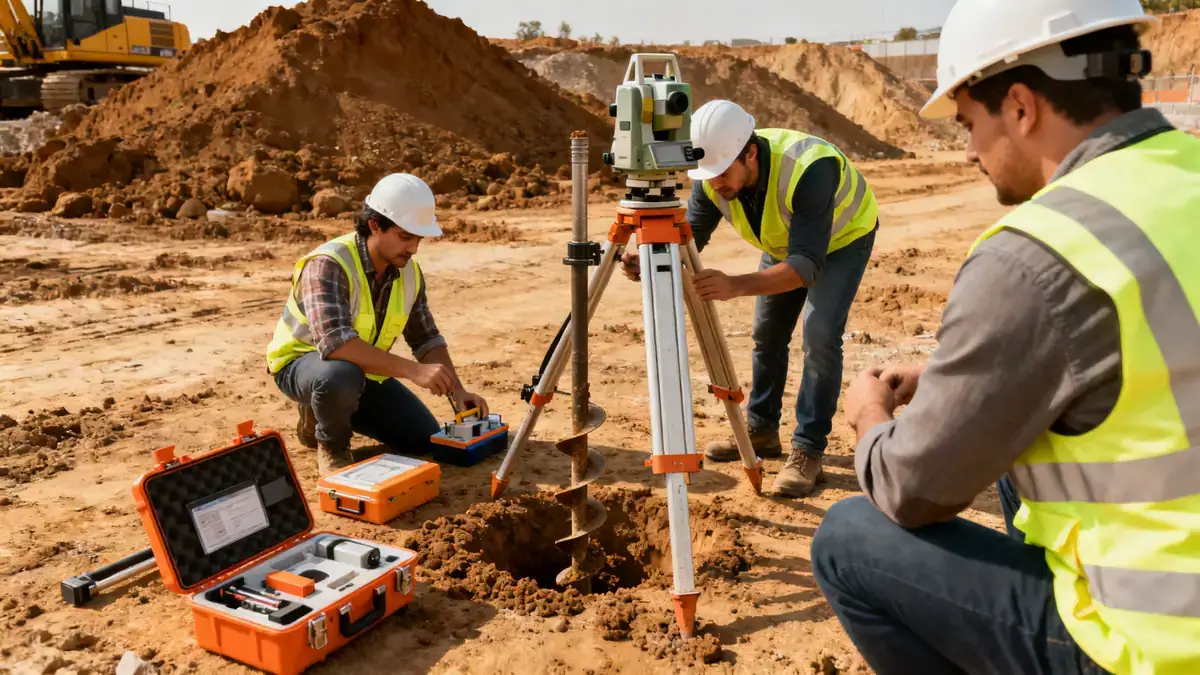
Our approach to geotechnical engineering in Garden Grove begins with a comprehensive site reconnaissance and desktop study of regional geology. We then execute a targeted field program, including SPT boring at intervals per ASTM D1586, to capture soil variability. In our soil mechanics laboratory, we classify soils per ASTM D2487 and measure strength parameters through direct shear tests (ASTM D3080) and consolidation (ASTM D2435). For seismic design, we evaluate liquefaction potential using NCEER procedures and site class per ASCE 7. Each parameter is cross-referenced with local experience to produce a site-specific geotechnical report that guides foundation design and earthwork.
Reference Technical Parameters
| Parameter | Reference Value |
|---|---|
| Predominant soil type | Alluvial sands and silty clays (SM, CL) |
| Maximum seismic acceleration (PGA) | 0.4g to 0.6g (per ASCE 7-16, Site Class D) |
| Typical groundwater level | 5 to 12 feet below grade (shallow) |
| Bedrock depth | 200+ feet (deep, sedimentary basin) |
| Typical N60 range (SPT) | 10 to 40 blows/ft (variable, loose to dense sands) |
Local Considerations — Garden Grove
Garden Grove's subsurface is dominated by young alluvial deposits from the Santa Ana River, with interlayered sands, silts, and clays. Shallow groundwater—encountered at 5 to 12 feet—requires dewatering plans and waterproofing for basements. The city lies in a high-seismic zone (PGA up to 0.6g), with liquefaction potential in loose saturated sands. Older neighborhoods near the river may have thicker soft clays, while commercial corridors on Harbor Boulevard exhibit denser sands. Typical challenges include differential settlement between fill and native soil, and lateral spreading during earthquakes. For regional context, our team in geotechnical engineering in Los Angeles addresses similar basin conditions, but Garden Grove's higher groundwater and proximity to fault zones demand specialized analysis. We also recommend slope stability assessments for sites near channels or cuts.
Request a Quote
Our team reviews your project and issues an initial report at no cost.
Or write us directly at [email protected]
Services in Garden Grove
Applicable Standards
- ASTM D1586 (Standard Penetration Test)
- ASCE 7-16 (Minimum Design Loads for Buildings)
- California Building Code (CBC 2022)
- City of Garden Grove Municipal Code (Title 15)
Frequently Asked Questions
What soil types are typical for geotechnical engineering in Garden Grove?
Garden Grove predominantly features alluvial sands and silty clays from the Santa Ana River floodplain. These soils vary from loose to medium dense sands near the surface, with occasional soft clay layers. Groundwater is shallow, often within 5 to 12 feet, requiring careful evaluation for liquefaction and settlement.
Why is seismic design critical for Garden Grove projects?
Garden Grove is in a high-seismic zone with PGA values up to 0.6g. The combination of loose sands and high groundwater creates significant liquefaction risk. Geotechnical engineering must address site class per ASCE 7 and provide mitigation strategies such as deep foundations or ground improvement to ensure safety.
Is a geotechnical study mandatory for all developments in Garden Grove?
Yes, the City of Garden Grove requires a geotechnical investigation for most new construction and additions, per the California Building Code. This includes soil borings, laboratory testing, and a report with recommendations for foundations, slabs, and seismic design to obtain building permits.