Methodology
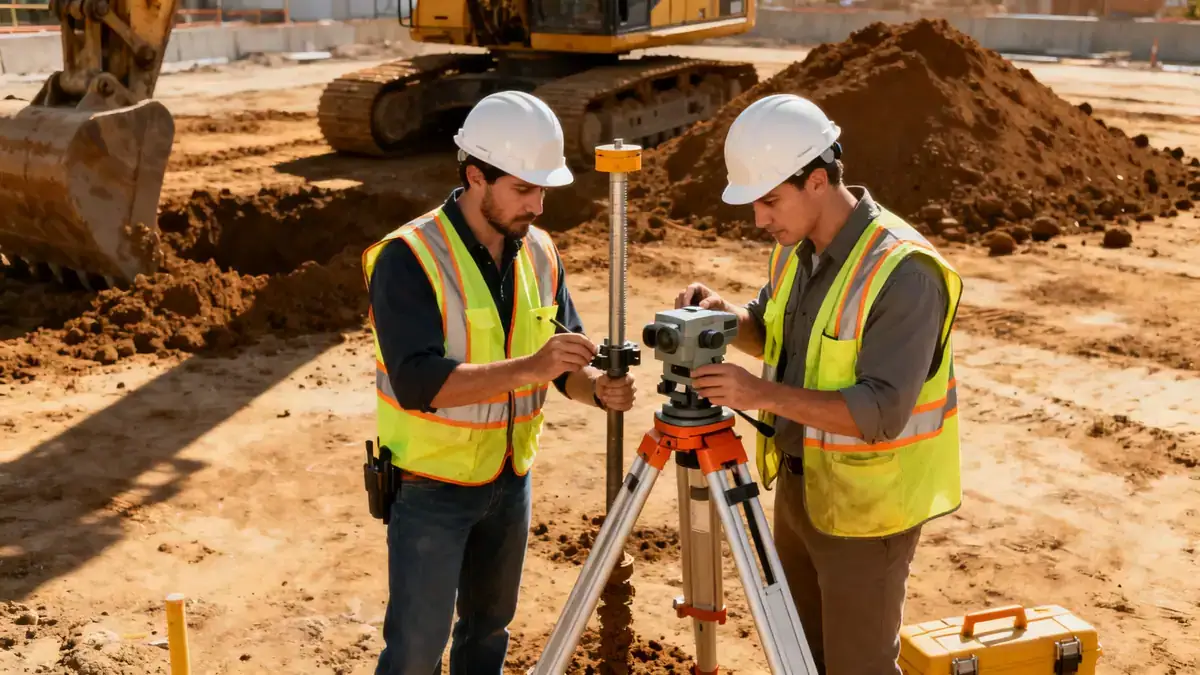
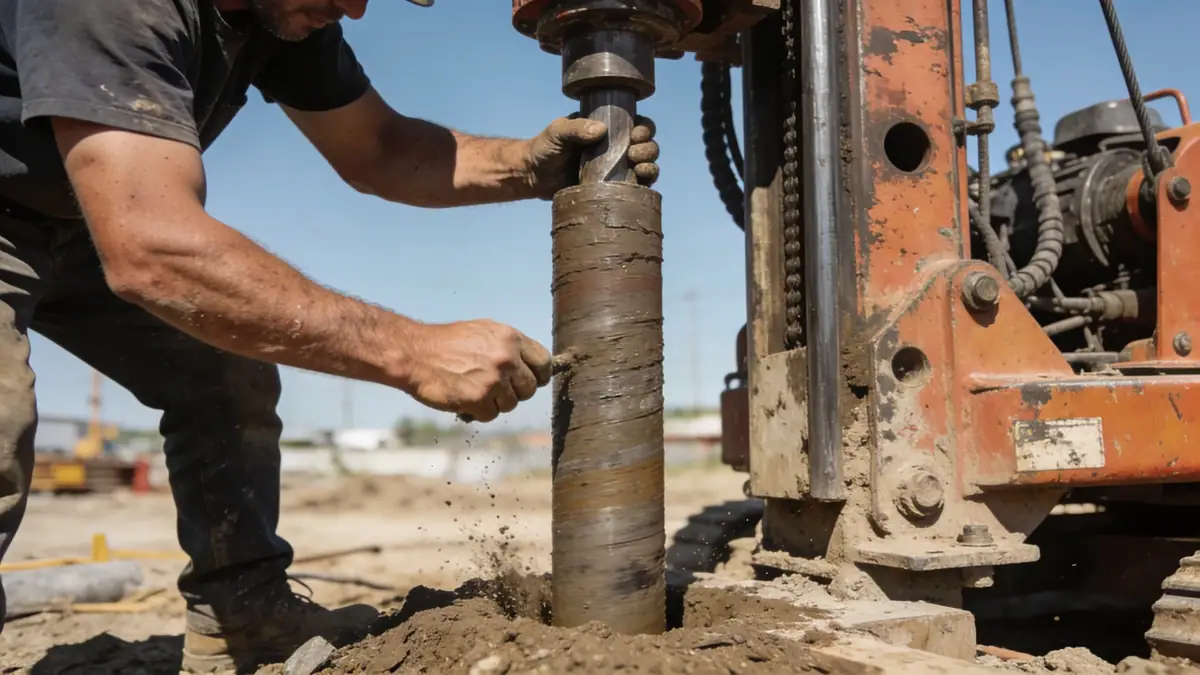
Our methodology in Escondido begins with a comprehensive review of existing geological maps and site history. We then perform field investigations, including spt boring to obtain soil samples and measure resistance at depth. Laboratory testing classifies soil properties—such as grain size, plasticity, and shear strength—following ASTM standards. This data informs our analysis of bearing capacity, settlement, and slope stability. By correlating field and lab results with local seismic and groundwater conditions, we develop site-specific recommendations that ensure safe and cost-effective foundation design.
Reference Technical Parameters
| Parameter | Reference Value |
|---|---|
| Predominant soil type | Granitic residual soils and alluvium |
| Maximum seismic acceleration (PGA) | 0.4g (ASCE 7-16) |
| Typical groundwater level | 10–30 m depth |
| Bedrock depth | 5–15 m |
| Typical N60 range | 20–50 blows/ft (ASTM D1586) |
Local Considerations — Escondido
Escondido's geology includes granitic bedrock from the Peninsular Ranges, often overlain by alluvial deposits in valleys and colluvial soils on hillsides. Expansive clay layers are common in the northern areas, requiring special foundation treatment. The region is seismically active, with design accelerations up to 0.4g per ASCE 7-16. Groundwater is typically deep, but localized perched zones occur near the San Luis Rey River. Our team has extensive experience with hillside developments and infill projects, where soil mechanics laboratory testing is critical. For broader regional context, see our geotechnical engineering en Los Angeles page.
Request a Quote
Our team reviews your project and issues an initial report at no cost.
Or write us directly at [email protected]
Services in Escondido
Applicable Standards
- ASTM D1586
- ASCE 7-16
- California Building Code (CBC) 2022
- City of Escondido Municipal Code Chapter 33
Frequently Asked Questions
What types of soil are common in Escondido?
Escondido predominantly features granitic residual soils, alluvium, and colluvium. Expansive clays are present in some northern areas, requiring careful evaluation for foundation design.
What seismic design requirements apply in Escondido?
Escondido falls under Seismic Design Category D per ASCE 7-16, with a mapped maximum considered earthquake (MCE) spectral acceleration of 0.4g. Projects must comply with the California Building Code.
Are geotechnical studies mandatory for construction in Escondido?
Yes, the City of Escondido requires geotechnical reports for most new construction, additions, and hillside developments, as per Chapter 33 of the Municipal Code.