Methodology
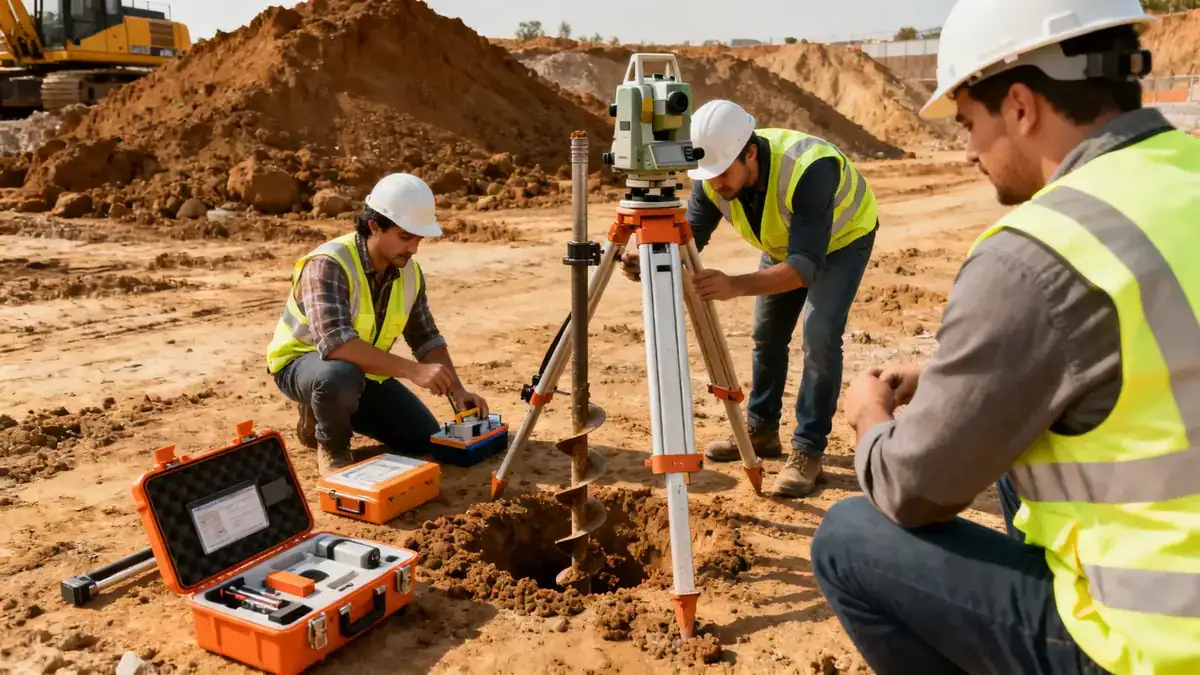
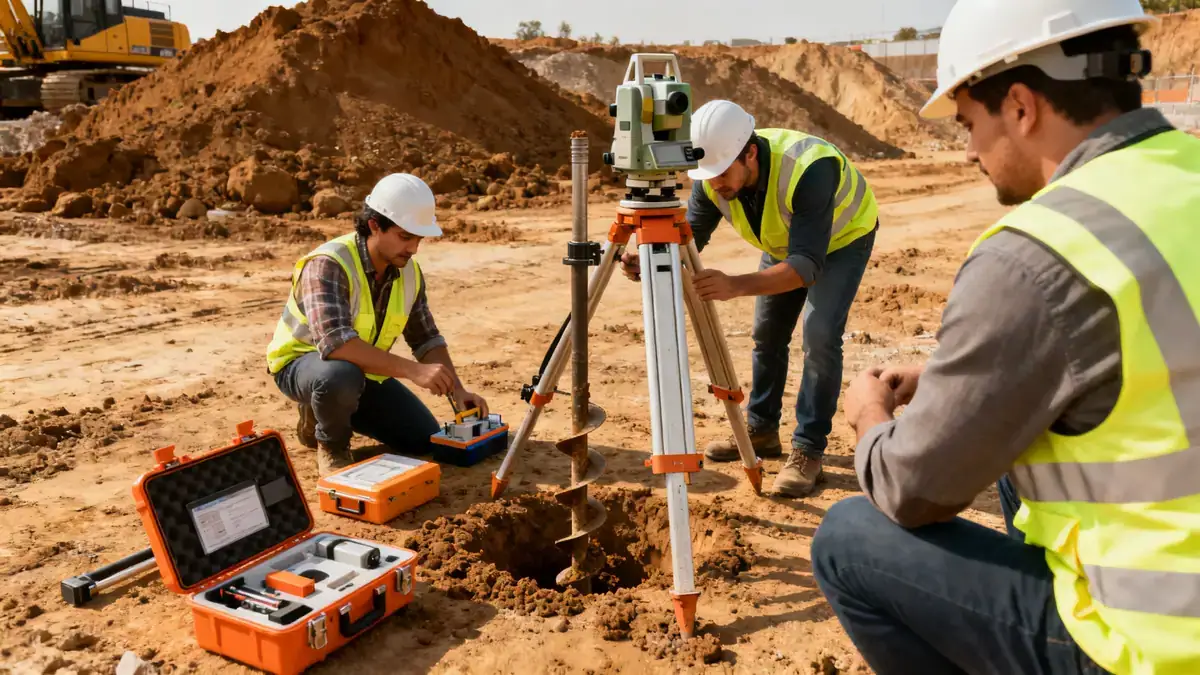
Our methodology begins with a review of existing geologic maps and nearby project data for Oceanside. We then conduct a field exploration program, typically including spt boring at depths of 8 to 15 meters for residential projects, and deeper borings for larger structures. Soil samples are retrieved at 1.5-meter intervals per ASTM D1586 and tested in our laboratory for classification, strength, and consolidation properties. This data informs our bearing capacity, settlement, and seismic hazard analyses, culminating in a detailed geotechnical report.
Reference Technical Parameters
| Parameter | Reference Value |
|---|---|
| Predominant soil type | Silty sand (SM) and clayey sand (SC) |
| Maximum seismic acceleration (PGA) | 0.40g (ASCE 7-22, Site Class D) |
| Typical groundwater level | 1.5 to 3.0 meters below grade |
| Bedrock depth | Variable, 20 to 40 meters (Tertiary sandstone) |
| Typical N60 range | 8 to 25 blows per 0.3 m (SPT) |
Local Considerations — Oceanside
Oceanside's coastal geology features alluvial terraces and marine deposits, with silty sands and clays underlain by the Santiago Formation (Tertiary bedrock). Seasonal groundwater fluctuates between 1.5 and 3 meters, requiring dewatering considerations for excavations. Seismic site class D is typical per ASCE 7-22, with peak ground accelerations up to 0.40g. Older neighborhoods near the coast may have softer soils, while inland areas show denser sands. Common challenges include liquefaction potential and differential settlement. For a broader perspective on regional geotechnical conditions, see geotechnical engineering in Los Angeles. Our slope stability analyses are critical for hillside developments.
Request a Quote
Our team reviews your project and issues an initial report at no cost.
Or write us directly at [email protected]
Services in Oceanside
Applicable Standards
- ASCE 7-22 (Minimum Design Loads and Associated Criteria for Buildings)
- ASTM D1586 (Standard Test Method for Standard Penetration Test)
- ASTM D2487 (Standard Practice for Classification of Soils for Engineering Purposes)
- California Building Code (CBC) 2022
- City of Oceanside Municipal Code
Frequently Asked Questions
What soil types are typically found in Oceanside?
Oceanside's soils are predominantly silty sands (SM) and clayey sands (SC) from alluvial and marine deposits. These soils are often loose to medium dense near the surface, with variable fines content that can affect drainage and compaction.
How does seismic design apply to geotechnical engineering in Oceanside?
Oceanside is in a high seismic zone per ASCE 7-22, with PGA up to 0.40g for Site Class D. Geotechnical reports must evaluate liquefaction, lateral spreading, and seismic settlement to inform foundation and retaining wall design.
Are geotechnical investigations required for residential projects in Oceanside?
Yes, the City of Oceanside typically requires a geotechnical report for new construction, additions, or hillside developments. This ensures compliance with the California Building Code and local grading ordinances.